Houston’s Housing Market Finds Equilibrium Amidst Stabilizing Trends
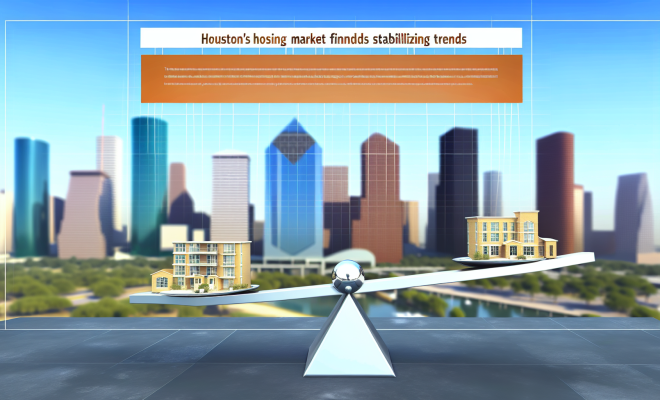
Understanding the Houston Housing Market Shift
The Houston real estate market is undergoing a significant transformation, transitioning towards a more stable environment as various economic factors converge. With mortgage rates stabilizing and an increase in housing inventory, the once overheated market is beginning to find its balance. This shift is pivotal, especially considering that homeowners are now holding properties for an average of 8.4 years as of the end of 2025, according to recent analyses.
The Impact of Stabilizing Mortgage Rates
One of the most influential factors affecting the Houston real estate landscape is the stabilization of mortgage rates. After a period of volatility that saw rates fluctuate significantly, they are now settling into a more predictable pattern. This stabilization is crucial for prospective buyers who have been hesitant to enter the market due to uncertainty about financing costs. As mortgage rates become more predictable, potential homeowners are more likely to take the plunge into homeownership, thus stimulating demand.
Inventory Levels on the Rise
Another key aspect of the current housing market dynamics is the increase in inventory. According to Zillow, national inventory levels have risen by 5% year-over-year as of February. This uptick in available homes is particularly noteworthy for Houston, where the housing market has faced challenges related to supply in the past. The Houston Association of Realtors has reported an 8.5% increase in pending sales in January compared to the previous year, signaling a resurgence in buyer interest, which is expected to further contribute to market stability.
Affordability Improvements
In addition to stabilizing mortgage rates and increasing inventory, the issue of housing affordability is also showing signs of improvement. Zillow estimates that median-income households have seen a boost in purchasing power of approximately $30,000 over the past year. This increase is a welcome development for many buyers who have been grappling with the financial strain of rising home prices. However, despite this improvement, affordability remains a crucial concern. Many households still find the costs associated with purchasing a home prohibitive, limiting overall demand.
The Lock-In Effect and Its Implications
The concept of the “lock-in effect” has been a significant barrier in the housing market, where homeowners are reluctant to sell their properties due to favorable mortgage rates they currently hold. This phenomenon has contributed to the extended duration that homeowners are staying in their current homes, averaging 8.4 years. As the market shifts towards stability, it is anticipated that this lock-in effect will begin to ease. Homeowners may feel more inclined to sell and upgrade as the housing market normalizes, leading to increased transactions and a healthier market overall.
Expert Insights from Industry Leaders
Rita Santamaria, CEO of Champions School of Real Estate, emphasizes that the current trends reflect a normalization of the industry. The combination of stabilizing rates, rising inventory, and slight improvements in affordability indicates a more balanced market, which benefits both buyers and sellers. Santamaria’s observations underscore the importance of these trends in shaping the future of the Houston housing market.
Future Projections for Houston’s Real Estate Landscape
Looking ahead, the Houston real estate market is expected to continue on this path towards equilibrium. As supply increases and demand stabilizes, it is likely that home prices will stabilize as well. This trend will create a more sustainable environment for both buyers and sellers, fostering a healthier economic landscape for the city.
Key Takeaways
- Mortgage Rates: Stabilization of mortgage rates is encouraging for potential homebuyers.
- Inventory Growth: A 5% year-over-year increase in national inventory is alleviating some supply issues.
- Pending Sales Rise: Houston saw an 8.5% increase in pending sales, indicating renewed buyer interest.
- Affordability: Median-income households have experienced a $30,000 increase in purchasing power, although costs remain a barrier.
- Lock-In Effect: Homeowners are holding properties longer, but this is expected to change as the market normalizes.
Conclusion
The Houston housing market is entering a new phase marked by stability and balance. As mortgage rates stabilize and inventory levels rise, the conditions for buying and selling homes are improving. While challenges remain, particularly concerning affordability and the lock-in effect, the overall outlook is optimistic. With insights from industry leaders like Rita Santamaria, it is clear that the Houston real estate market is poised for a healthier, more sustainable future.