The Tech Edvocate

Top Menu

  • Advertisement
  • Apps
  • Home Page
  • Home Page Five (No Sidebar)
  • Home Page Four
  • Home Page Three
  • Home Page Two
  • Home Tech2
  • Icons [No Sidebar]
  • Left Sidbear Page
  • Lynch Educational Consulting
  • My Account
  • My Speaking Page
  • Newsletter Sign Up Confirmation
  • Newsletter Unsubscription
  • Our Brands
  • Page Example
  • Privacy Policy
  • Protected Content
  • Register
  • Request a Product Review
  • Shop
  • Shortcodes Examples
  • Signup
  • Start Here
    • Governance
    • Careers
    • Contact Us
  • Terms and Conditions
  • The Edvocate
  • The Tech Edvocate Product Guide
  • Topics
  • Write For Us
  • Advertise

Main Menu

  • Start Here
    • Our Brands
    • Governance
      • Lynch Educational Consulting, LLC.
      • Dr. Lynch’s Personal Website
      • Careers
    • Write For Us
    • The Tech Edvocate Product Guide
    • Contact Us
    • Books
    • Edupedia
    • Post a Job
    • The Edvocate Podcast
    • Terms and Conditions
    • Privacy Policy
  • Topics
    • Assistive Technology
    • Child Development Tech
    • Early Childhood & K-12 EdTech
    • EdTech Futures
    • EdTech News
    • EdTech Policy & Reform
    • EdTech Startups & Businesses
    • Higher Education EdTech
    • Online Learning & eLearning
    • Parent & Family Tech
    • Personalized Learning
    • Product Reviews
  • Advertise
  • Tech Edvocate Awards
  • The Edvocate
  • Pedagogue
  • School Ratings

logo

The Tech Edvocate

  • Start Here
    • Our Brands
    • Governance
      • Lynch Educational Consulting, LLC.
      • Dr. Lynch’s Personal Website
        • My Speaking Page
      • Careers
    • Write For Us
    • The Tech Edvocate Product Guide
    • Contact Us
    • Books
    • Edupedia
    • Post a Job
    • The Edvocate Podcast
    • Terms and Conditions
    • Privacy Policy
  • Topics
    • Assistive Technology
    • Child Development Tech
    • Early Childhood & K-12 EdTech
    • EdTech Futures
    • EdTech News
    • EdTech Policy & Reform
    • EdTech Startups & Businesses
    • Higher Education EdTech
    • Online Learning & eLearning
    • Parent & Family Tech
    • Personalized Learning
    • Product Reviews
  • Advertise
  • Tech Edvocate Awards
  • The Edvocate
  • Pedagogue
  • School Ratings
  • The AI Education Revolution: 10 Urgent Questions Universities Must Answer Now

  • Explosive Zero-Day Vulnerability: 15 Million Websites Under Siege – Is Yours Next?

  • The Ultimate Kuru Footwear Trio: A Comfort Revolution for Every Adventure

  • Why Your Mortgage Could Be Denied by Biased AI – And What the Fed Is Doing About It

  • Unprecedented: Lawsuit Demands Total AI Shutdown Amid Rising Global Panic

  • The Astonishing Truth: Microcredentials Now Trump MBAs for Data Science Jobs

  • The Astonishing Twist: AI Cuts Your Job, Then Helps You Sue Your Boss

  • The Staggering Truth About Palo Alto’s $4.5 Billion AI Bet

  • Mind-Blowing: Satellite Metals Now Outweigh Meteoroids, Sparking Urgent Insurance Crisis

  • The Silent Threat From Above: Your Sky Is Changing, And Here’s Why

Tech News
Home›Tech News›EPA Proposal: Plastic Incinerators May Bypass Clean Air Act

EPA Proposal: Plastic Incinerators May Bypass Clean Air Act
By Matthew Lynch
April 1, 2026
0
Spread the love

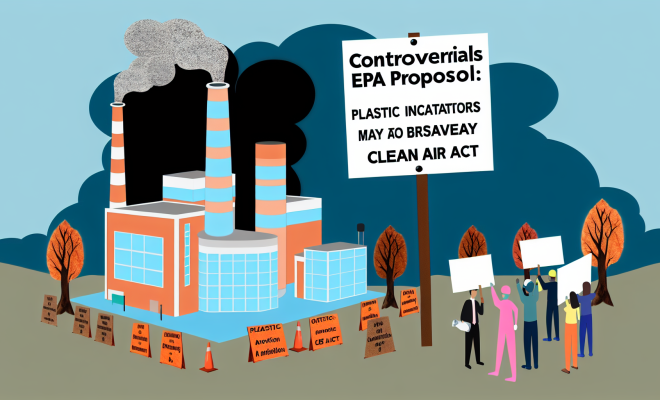
The U.S. Environmental Protection Agency (EPA) is considering a significant regulatory change that could exempt plastic incineration facilities from federal air emission regulations. This proposal could allow pyrolysis plants—often referred to as chemical or advanced recycling facilities—that convert plastic waste into fuel to operate without stringent environmental protections.

The Proposed Regulatory Shift

Under the current framework, pyrolysis plants are subject to the Clean Air Act, which mandates strict air quality standards and pollution controls. However, the EPA has proposed a rule that would remove these federal regulations, effectively leaving the oversight of such facilities to state laws. This shift has raised alarm among environmental advocates, who argue that it could lead to increased air pollution and health risks for nearby communities.

Understanding Pyrolysis Facilities

Pyrolysis is a thermochemical process that breaks down plastic waste at high temperatures in an oxygen-free environment. This method is marketed as a way to recycle plastics by converting them into fuels and other products. Proponents of pyrolysis facilities argue that they can provide a solution to the growing plastic waste crisis while generating energy. However, critics contend that the burning of plastics can release toxic emissions, including dioxins and particulate matter, which pose serious health risks.

Concerns from Environmental Advocates

Critics of the EPA’s proposal include Cynthia Palmer, a representative from Moms Clean Air Force, who calls the plan illegal. She emphasizes that removing air emission regulations for these facilities undermines environmental protections and puts public health at risk. Palmer and others express concerns that without federal oversight, facilities may operate with minimal accountability, leading to increased pollution.

Impact on Public Health and Environment

The implications of this regulatory change could be significant. Without federal mandates, the following issues could arise:

  • Increased Air Pollution: Pyrolysis plants may emit harmful pollutants that can exacerbate respiratory conditions and other health issues.
  • Lack of Transparency: Without federal reporting requirements, communities may be unaware of the pollution levels in their area.
  • Inconsistent State Regulations: The effectiveness of state laws varies widely, leading to potential loopholes that could be exploited by facility operators.

Public health experts have long warned that proximity to industrial facilities—including waste incinerators—can lead to a variety of health problems, particularly in vulnerable populations such as children and the elderly.

Public Response and Upcoming Hearing

The EPA is set to hold a virtual public hearing on the proposed rule on April 6, where stakeholders, including community members, environmental organizations, and industry representatives, will have the opportunity to voice their opinions. Public comment will remain open until May 4, allowing for a period of feedback that could influence the final decision on the regulation.

What’s at Stake

As the EPA considers this proposal, the stakes are high for both environmental policy and public health. The debate encapsulates broader discussions about waste management, energy production, and the role of government in protecting citizens from pollution.

Advocates for stricter regulations argue that the government has a responsibility to prioritize public health and environmental integrity over the interests of the plastic industry. They call for more comprehensive regulations that would require pyrolysis facilities to implement robust pollution control measures and disclose emissions data to the public.

The Future of Plastic Recycling

As the conversation around plastic recycling evolves, it is essential to balance the need for innovative solutions to plastic waste with the imperative to protect human health and the environment. While pyrolysis facilities may offer a method for recycling plastics, the potential for increased pollution cannot be overlooked.

Whether the EPA moves forward with its proposal or opts to maintain strict oversight will likely set a precedent for how similar facilities are regulated in the future. The outcome of this decision will have lasting implications for environmental policy and public health across the United States.


Previous Article

Government & Education Face Escalating Cyber Threats ...

Next Article

Trump Exempts Gulf Oil Drilling from ESA, ...

Matthew Lynch

Related articles More from author

  • Tech News

    Best Ergonomic Backpacks with Lumbar Support

    July 8, 2026
    By Matthew Lynch
  • Tech News

    Master the Art of Reverse Video: A Complete Guide

    June 13, 2026
    By Matthew Lynch
  • Tech News

    April 2026: Top Video Game Releases You Can’t Miss

    April 1, 2026
    By Matthew Lynch
  • Tech News

    Critical Windows Zero-Day Under Attack: Why You Can’t Afford to Skip This Month’s Microsoft Security Patches

    August 13, 2026
    By Matthew Lynch
  • Tech News

    How to use Project for beginners

    July 26, 2026
    By Matthew Lynch
  • Tech News

    The AI Malpractice Lawsuit That’s Terrifying Doctors — And What It Means For You

    August 9, 2026
    By Matthew Lynch

Search

Login & Registration

  • Log in
  • Entries feed
  • Comments feed
  • WordPress.org

Newsletter

Signup for The Tech Edvocate Newsletter and have the latest in EdTech news and opinion delivered to your email address!

About Us

Since technology is not going anywhere and does more good than harm, adapting is the best course of action. That is where The Tech Edvocate comes in. We plan to cover the PreK-12 and Higher Education EdTech sectors and provide our readers with the latest news and opinion on the subject. From time to time, I will invite other voices to weigh in on important issues in EdTech. We hope to provide a well-rounded, multi-faceted look at the past, present, the future of EdTech in the US and internationally.

We started this journey back in June 2016, and we plan to continue it for many more years to come. I hope that you will join us in this discussion of the past, present and future of EdTech and lend your own insight to the issues that are discussed.

Newsletter

Signup for The Tech Edvocate Newsletter and have the latest in EdTech news and opinion delivered to your email address!

Contact Us

The Tech Edvocate
910 Goddin Street
Richmond, VA 23231
(601) 630-5238
[email protected]

Copyright © 2026 Matthew Lynch. All rights reserved.