North Carolina Residents Unite on Health Care Costs and Medicaid Expansion
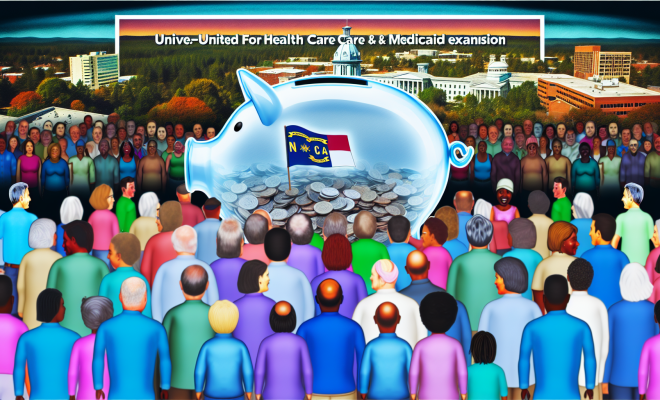
In a revealing new poll conducted by a bipartisan group, it has come to light that one in six North Carolinians have opted to forgo necessary health care due to prohibitive costs. This alarming statistic reflects a broader issue of access barriers to health care services faced by many residents in the Tar Heel State. The survey, reported on March 31, 2026, indicates a significant consensus among the public regarding health care costs and the urgent need for Medicaid expansion.
Understanding the Health Care Landscape in North Carolina
Health care affordability has emerged as a pressing concern for many North Carolinians. The bipartisan poll reveals that financial challenges are not merely an individual issue; they represent systemic barriers that affect a substantial portion of the population. With rising health care expenses, many residents are finding it increasingly difficult to access both mental and physical health services.
Key Findings from the Poll
The poll highlighted several critical insights:
- Access to Care: Approximately 17% of respondents reported skipping necessary health services, including routine check-ups and mental health care, due to high costs.
- Medicaid Expansion Support: Over 60% of participants expressed support for the expansion of Medicaid, recognizing it as a potential solution to alleviate some of the financial burdens associated with health care access.
- Impact on Mental Health: The financial barriers to accessing health care have a pronounced impact on mental health services, with many individuals reporting increased stress and anxiety related to their inability to afford care.
The Implications of Skipping Care
When individuals delay or avoid necessary health care, the consequences can be severe. Skipping routine check-ups or necessary treatments can lead to worsening health conditions, which may ultimately result in higher long-term costs for both individuals and the health care system as a whole. The poll indicates that many North Carolinians are facing a precarious situation where their health is compromised due to financial constraints.
Moreover, the impact on mental health cannot be overstated. According to experts, those who forgo mental health care due to cost often experience a decline in their overall well-being, exacerbating issues such as depression and anxiety. The cycle of untreated mental health conditions can lead to increased health care costs down the line, as individuals may seek emergency care when their conditions become critical.
Advocacy for Policy Change
The poll’s findings have renewed calls for policy changes to address the health care crisis in North Carolina. Advocates for Medicaid expansion argue that expanding eligibility could significantly increase access to care for low-income individuals, thereby reducing the number of residents who skip necessary treatments.
Supporters of Medicaid expansion emphasize that the program not only benefits those who gain coverage but also the overall economy. By increasing access to health care, residents are more likely to receive preventive care, which can lead to healthier communities and reduced health care costs in the long run.
A Bipartisan Approach to Health Care Solutions
Interestingly, the bipartisan nature of the group conducting the poll suggests that support for health care reform transcends party lines. This common ground on the issues of health care costs and Medicaid reflects a collective concern for the well-being of North Carolinians, regardless of their political affiliations.
As discussions about health care policy continue, the voices of the citizens will be crucial in shaping the future of health care in the state. The poll serves as a reminder that health care is not just a political issue; it is a fundamental concern that affects the daily lives of many residents.
Moving Forward
In light of these findings, North Carolina’s policymakers face a critical juncture. The need for immediate action is evident, as delayed responses to health care access issues can lead to detrimental effects on public health. Engaging in dialogues that prioritize health care affordability and accessibility is essential.
As North Carolinians advocate for change, it is imperative that their voices are heard in the halls of government. The bipartisan support for Medicaid expansion and the acknowledgment of health care costs as a barrier to access present an opportunity for meaningful reform.
In conclusion, the poll underscores a pressing need for systemic changes to health care in North Carolina. By addressing these challenges head-on, the state can move towards a more equitable health care system that serves all residents, ensuring that everyone has access to the care they need without the fear of financial ruin.