Goldman Sachs Predicts Rising Oil Prices and Increased Unemployment: What It Means for the Economy
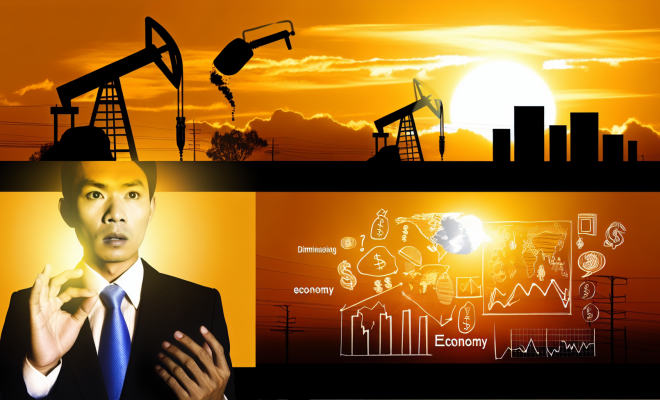
As the global economy continues to navigate a complex landscape of challenges, recent forecasts from Goldman Sachs have ignited discussions about the future of oil prices and the US labor market. The investment banking giant anticipates that oil prices will surge through 2026, which coincides with a projected rise in US unemployment to 4.6%. This dual forecast raises critical questions about the interconnectedness of energy costs and employment trends in the United States.
Oil Prices on the Rise
Goldman Sachs has indicated that the anticipated increase in oil prices is primarily driven by persistent market pressures. This includes a combination of supply chain disruptions, geopolitical tensions, and ongoing demand recovery from the pandemic. Analysts predict that these factors will maintain upward pressure on oil prices, making it a significant concern for consumers and businesses alike.
Key Drivers Behind the Oil Price Surge
- Supply Constraints: Factors such as OPEC+ production cuts and geopolitical unrest in oil-producing regions have limited supply, contributing to rising prices.
- Demand Recovery: As economies worldwide rebound from the effects of COVID-19, demand for oil is increasing, further straining supply.
- Inflationary Pressures: General inflation is affecting costs across various sectors, including energy, which can lead to higher oil prices.
Impact on the Labor Market
The forecasted increase in unemployment to 4.6% is a significant indicator of potential economic challenges ahead. Unemployment rates are closely tied to economic performance, and an increase can signal a slowdown in job creation and consumer spending. As oil prices rise, the ripple effects could be felt across various sectors, particularly those reliant on energy.
Why Rising Oil Prices Could Lead to Higher Unemployment
- Increased Operational Costs: Companies that depend heavily on energy may face higher operational costs, leading to layoffs or hiring freezes.
- Consumer Spending: Higher fuel prices can reduce disposable income for consumers, impacting retail and service industries.
- Economic Slowdown: If rising oil prices contribute to overall inflation, central banks may raise interest rates, potentially slowing down economic growth and job creation.
Broader Economic Implications
The interplay between rising oil prices and increasing unemployment is not just a localized issue; it has broader implications for the US economy and beyond. Higher energy costs can lead to inflationary pressures, affecting everything from food prices to transportation costs. As households and businesses grapple with these challenges, the potential for a slowdown in economic growth becomes more pronounced.
The View from Goldman Sachs
Goldman Sachs’ projections reflect a cautious outlook, emphasizing the need for policymakers to remain vigilant. The bank’s analysts suggest that while some sectors may experience growth, others could suffer significantly due to rising energy costs. This presents a complex scenario for economic recovery, as the benefits of growth in certain areas could be offset by challenges in others.
What Lies Ahead
As we look forward, the trajectory of oil prices and unemployment rates will likely remain intertwined. Market watchers and policymakers must consider the implications of these forecasts carefully. Here are a few key takeaways:
- Monitoring Energy Costs: Keeping a close eye on oil prices will be crucial for understanding broader economic trends.
- Policy Implications: Governments may need to implement measures to mitigate the impact of rising energy costs on consumers and businesses.
- Investment Strategies: Investors should consider how shifts in oil prices could affect various sectors when making investment decisions.
Conclusion
The forecasts from Goldman Sachs serve as a wake-up call for both consumers and policymakers. As oil prices are expected to rise through 2026, with unemployment rates potentially climbing to 4.6%, the implications for the US economy could be significant. Understanding the relationship between energy costs and employment is critical as we navigate these uncertain economic waters. Stakeholders across the board must prepare for the challenges ahead, ensuring that they are equipped to respond to changes in both the energy sector and the labor market.