‘Eat Real Food’: Unpacking the 2025-2030 Dietary Guidelines for a Healthier America

Understanding the New Dietary Guidelines
The U.S. Department of Health and Human Services and the Department of Agriculture have recently unveiled the 2025-2030 Dietary Guidelines for Americans. These guidelines underscore the importance of returning to whole foods, emphasizing protein intake, and steering clear of ultra-processed foods and refined carbohydrates. The recommendations are not just a fleeting trend; they reflect a growing scientific consensus that the quality of our diets plays a pivotal role in preventing and reversing chronic diseases.
The Current State of American Eating Habits
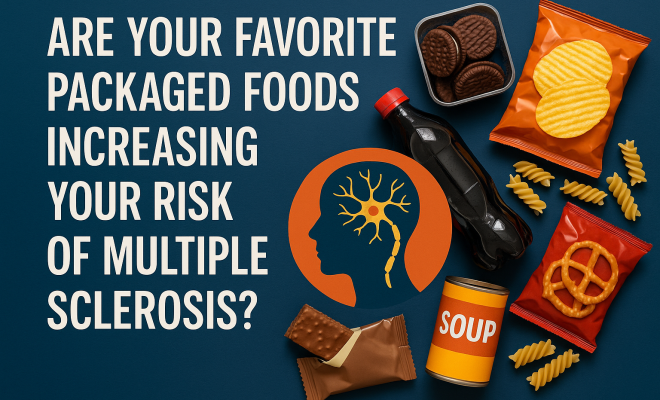
According to data from the Centers for Disease Control and Prevention (CDC), a staggering percentage of calories consumed by Americans originates from ultra-processed foods. Specifically, it accounts for 53% of total caloric intake for adults and an even higher 62% for children. These statistics illuminate a significant public health concern, as reliance on such foods can lead to a range of health issues, including obesity, diabetes, and heart disease.
What Constitutes Real Food?
So, what exactly is meant by “real food”? At its core, real food refers to whole, minimally processed foods that retain their natural nutrients. This includes:
- Fruits and Vegetables: Fresh, frozen, or canned without added sugars or preservatives.
- Whole Grains: Options like brown rice, quinoa, and whole wheat products.
- Lean Proteins: Such as fish, poultry, beans, and legumes.
- Nuts and Seeds: Rich in healthy fats and fiber.
- Dairy: Preferably low-fat or fat-free options.
In contrast, ultra-processed foods often contain artificial ingredients, added sugars, and unhealthy fats, making them less nutritious and more detrimental to health. Examples include sugary cereals, fast food, and snack bars.
The Impact of Diet Quality on Health
The recent dietary guidelines stress that focusing solely on individual nutrients or food groups is not enough. Instead, the overall quality of one’s diet is crucial. Research indicates that a diet rich in whole foods can:
- Reduce the Risk of Chronic Diseases: High-quality diets are linked to lower incidences of heart disease, diabetes, and certain cancers.
- Support Healthy Weight Management: Whole foods tend to be more filling and lower in calories, aiding in weight control.
- Enhance Mental Well-being: Emerging evidence suggests that nutrition impacts mental health, with diets high in processed foods correlating with higher rates of anxiety and depression.
By prioritizing real food, individuals can significantly enhance their overall health and well-being.
Challenges in Adopting Healthier Eating Patterns
While the recommendations may seem straightforward, various challenges impede the transition to healthier eating. Some of these include:
- Accessibility: Not everyone has easy access to fresh, whole foods, particularly in food deserts.
- Cost: Real food can often be more expensive than processed alternatives, making it less feasible for low-income families.
- Education: Many individuals may not fully understand how to prepare or incorporate whole foods into their diets.
Addressing these barriers will be essential for improving the dietary habits of Americans as a whole.
Strategies for Embracing Real Food
To help facilitate a shift towards whole foods, consider the following strategies:
- Meal Planning: Planning meals ahead of time can reduce reliance on convenience foods and encourage healthier choices.
- Cooking at Home: Preparing meals at home allows for greater control over ingredients and portion sizes.
- Shopping Smart: Focus on purchasing whole foods from local farmers’ markets or grocery stores that prioritize fresh produce.
- Educate Yourself: Learn about nutrition and cooking techniques to enhance your confidence in selecting and preparing real foods.
By implementing these strategies, individuals can cultivate healthier eating habits that align with the new dietary guidelines.
Conclusion
Adopting the principle of “eat real food” is undeniably an essential component of a healthier lifestyle, as highlighted by the 2025-2030 Dietary Guidelines for Americans. However, it is crucial to recognize that this advice is part of a broader picture. Improving diet quality requires a concerted effort to overcome existing barriers, education about nutrition, and a commitment to making informed food choices. As the guidelines encourage a shift away from ultra-processed foods, individuals and communities can work together to foster a healthier society, one meal at a time.