The Tech Edvocate

Top Menu

  • Advertisement
  • Apps
  • Home Page
  • Home Page Five (No Sidebar)
  • Home Page Four
  • Home Page Three
  • Home Page Two
  • Home Tech2
  • Icons [No Sidebar]
  • Left Sidbear Page
  • Lynch Educational Consulting
  • My Account
  • My Speaking Page
  • Newsletter Sign Up Confirmation
  • Newsletter Unsubscription
  • Our Brands
  • Page Example
  • Privacy Policy
  • Protected Content
  • Register
  • Request a Product Review
  • Shop
  • Shortcodes Examples
  • Signup
  • Start Here
    • Governance
    • Careers
    • Contact Us
  • Terms and Conditions
  • The Edvocate
  • The Tech Edvocate Product Guide
  • Topics
  • Write For Us
  • Advertise

Main Menu

  • Start Here
    • Our Brands
    • Governance
      • Lynch Educational Consulting, LLC.
      • Dr. Lynch’s Personal Website
      • Careers
    • Write For Us
    • The Tech Edvocate Product Guide
    • Contact Us
    • Books
    • Edupedia
    • Post a Job
    • The Edvocate Podcast
    • Terms and Conditions
    • Privacy Policy
  • Topics
    • Assistive Technology
    • Child Development Tech
    • Early Childhood & K-12 EdTech
    • EdTech Futures
    • EdTech News
    • EdTech Policy & Reform
    • EdTech Startups & Businesses
    • Higher Education EdTech
    • Online Learning & eLearning
    • Parent & Family Tech
    • Personalized Learning
    • Product Reviews
  • Advertise
  • Tech Edvocate Awards
  • The Edvocate
  • Pedagogue
  • School Ratings

logo

The Tech Edvocate

  • Start Here
    • Our Brands
    • Governance
      • Lynch Educational Consulting, LLC.
      • Dr. Lynch’s Personal Website
        • My Speaking Page
      • Careers
    • Write For Us
    • The Tech Edvocate Product Guide
    • Contact Us
    • Books
    • Edupedia
    • Post a Job
    • The Edvocate Podcast
    • Terms and Conditions
    • Privacy Policy
  • Topics
    • Assistive Technology
    • Child Development Tech
    • Early Childhood & K-12 EdTech
    • EdTech Futures
    • EdTech News
    • EdTech Policy & Reform
    • EdTech Startups & Businesses
    • Higher Education EdTech
    • Online Learning & eLearning
    • Parent & Family Tech
    • Personalized Learning
    • Product Reviews
  • Advertise
  • Tech Edvocate Awards
  • The Edvocate
  • Pedagogue
  • School Ratings
  • US Battery as a Service Market Shifts Toward Fleet-Based Energy

  • The Startling Truth: Why Americans Distrust AI with Their Health

  • This Crucial Deadline for Banks Is Closer Than You Think

  • Baffling: CrowdStrike’s $500 Million AI Bet Reshapes Cybersecurity

  • This Crucial Autonomous Driving Rule Could Cost You Everything

  • Baffling: Microsoft AI CEO Demands Halt to Conscious AI Development

  • O seară în ritmul tău: atmosfera divertismentului de cazinou pe internet

  • Outrageous: AppLovin Hit With Lawsuit Over AI Claims — What Investors Need to Know

  • 9 Critical Ways AI Investment Fraud Is Quietly Draining Your Bank Account

  • Is the AI Bubble Bursting? OpenAI’s Funding Woes Revealed

Tech News
Home›Tech News›Drone & Civilian Aircraft Breach Air Force One Security

Drone & Civilian Aircraft Breach Air Force One Security
By Matthew Lynch
March 30, 2026
0
Spread the love

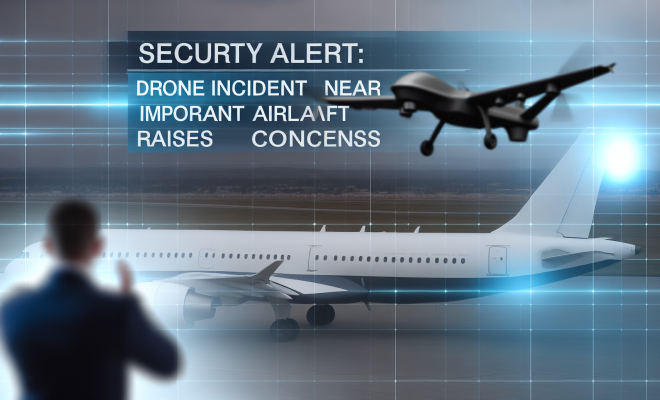
On a seemingly routine day at Palm Beach International Airport, an unexpected security incident unfolded that would put the safety protocols surrounding President Donald Trump’s Air Force One into sharp focus. Reports emerged of a suspicious drone sighting just minutes before the President’s scheduled departure, prompting immediate action from security officials.

Emergency Protocols Activated

As the situation developed, airport authorities activated emergency protocols, which included implementing a temporary ground stop. This precautionary measure aimed to ensure that no aircraft could take off or land until the potential threat was neutralized. The sighting of the drone heightened the already stringent security measures surrounding Air Force One, known for being one of the most secure aircraft in the world.

Civilian Aircraft Breaches Restricted Airspace

Adding to the tension, a civilian aircraft breached the restricted airspace surrounding the airport shortly after the drone scare. This incident raised alarms and prompted the North American Aerospace Defense Command (NORAD) to take swift action. F-16 fighter jets were scrambled from a nearby base to intercept the rogue aircraft, which had unknowingly entered a highly sensitive area.

F-16s Deployed Flare Countermeasures

In a demonstration of the military’s readiness to respond to such threats, the F-16s deployed flares as part of their interception procedure. This tactic is intended to ensure the safety of the skies while also signaling to the civilian pilot that they were in a restricted zone. The quick thinking and decisive action by military personnel ensured that the civilian aircraft was safely escorted away from the vicinity of Air Force One.

No Direct Threat to the President

In the aftermath of the incidents, officials confirmed that there was no direct threat to President Trump or his aircraft. Nonetheless, the events raised significant concerns regarding security vulnerabilities at airports, particularly when it comes to protecting high-profile individuals. The combination of a drone sighting and a breach of restricted airspace showcases potential gaps in security that could be exploited.

Understanding Airspace Regulations

Airspace around critical facilities, including those where the President is present, is strictly regulated. There are various zones that dictate what types of aircraft can enter, and violations can lead to serious consequences. The Federal Aviation Administration (FAA) enforces these regulations rigorously, and when breaches occur, they can trigger an immediate response from military assets.

  • Class B Airspace: Surrounding major airports, requiring a high level of communication and compliance from pilots.
  • Temporary Flight Restrictions (TFRs): Established for VIP movements, such as the President’s, that prohibit unauthorized aircraft from entering the area.
  • Military Response: Protocols in place for quick military action when security is compromised.

Implications for Future Security Measures

This incident underscores the importance of continuous evaluation and enhancement of security protocols at airports, especially concerning protected figures like the President. As the prevalence of drones increases, so too does the need for comprehensive strategies to mitigate risks associated with unmanned aerial vehicles.

Regulatory Challenges with Drones

Regulatory bodies are grappling with how to manage the growing use of drones in civilian airspace. With the technology becoming more accessible, the potential for misuse or accidents increases. This incident serves as a reminder that the integration of drones into the national airspace system must be handled with caution and foresight.

Conclusion

While the drone sighting and subsequent airspace breach near Air Force One did not result in any immediate danger to President Trump, it highlighted critical issues regarding airspace security and the challenges posed by modern technology. The events of that day illustrate the need for robust protective measures and ongoing vigilance in safeguarding one of the world’s most recognized aircraft. As the aviation landscape continues to evolve, ensuring the safety of all air traffic, especially around high-profile figures, remains a top priority for security agencies.

Previous Article

Air India & Air India Express Launch ...

Next Article

March 30, 2026: Global Travel & Business ...

Matthew Lynch

Related articles More from author

  • Tech News

    Master Microsoft Teams: Boost Collaboration & Productivity (2017-Present)

    June 17, 2026
    By Matthew Lynch
  • Tech News

    Oil Surges Past $100: Is an Inflation Nightmare Coming?

    July 27, 2026
    By Matthew Lynch
  • Tech News

    ShinyHunters: Exploiting Data Breaches & Cloud Identity Tools

    May 28, 2026
    By Matthew Lynch
  • Tech News

    2026 Tax Brackets: Real Estate Investors Face New Challenges

    May 12, 2026
    By Matthew Lynch
  • Tech News

    Big Tech’s Data Center Emissions: 7x Higher Than Reported?

    June 28, 2026
    By Matthew Lynch
  • Tech News

    Can Zoho Books integrate with other Zoho apps

    August 27, 2026
    By Matthew Lynch

Search

Login & Registration

  • Log in
  • Entries feed
  • Comments feed
  • WordPress.org

Newsletter

Signup for The Tech Edvocate Newsletter and have the latest in EdTech news and opinion delivered to your email address!

About Us

Since technology is not going anywhere and does more good than harm, adapting is the best course of action. That is where The Tech Edvocate comes in. We plan to cover the PreK-12 and Higher Education EdTech sectors and provide our readers with the latest news and opinion on the subject. From time to time, I will invite other voices to weigh in on important issues in EdTech. We hope to provide a well-rounded, multi-faceted look at the past, present, the future of EdTech in the US and internationally.

We started this journey back in June 2016, and we plan to continue it for many more years to come. I hope that you will join us in this discussion of the past, present and future of EdTech and lend your own insight to the issues that are discussed.

Newsletter

Signup for The Tech Edvocate Newsletter and have the latest in EdTech news and opinion delivered to your email address!

Contact Us

The Tech Edvocate
910 Goddin Street
Richmond, VA 23231
(601) 630-5238
[email protected]

Copyright © 2026 Matthew Lynch. All rights reserved.