PS5 Price Hike: Sony Raises European Cost by €100 in 2026
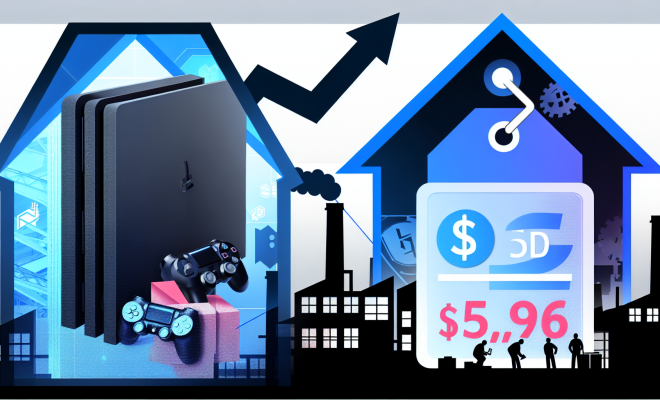
Sony has officially announced a significant price increase for its popular PlayStation 5 (PS5) in Europe, set to take effect on April 2, 2026. The price hike will see the console’s cost rise by €100, a decision that has already begun to stir conversations about the broader implications for gamers and the industry at large.
Understanding the Price Increase
This latest adjustment comes in the wake of ongoing challenges within the gaming industry, particularly regarding rising production costs. Manufacturers across various sectors have been grappling with inflation and supply chain issues, which have profoundly impacted the affordability of gaming hardware.
Rising Production Costs
As reported, several factors are contributing to the increased expenses associated with console manufacturing. These include:
- Inflation: General economic inflation has affected the cost of raw materials and components needed for console production.
- Supply Chain Disruptions: Ongoing disruptions, partly due to the global pandemic, continue to challenge logistics and availability of essential parts.
- Technological Advancements: While newer technologies improve gaming experiences, they often come with higher development and production costs.
These factors have led to rising prices not only for Sony but also for competitors in the market, as they struggle to maintain profitability without passing costs on to consumers.
Impact on Gamers
The announcement of the €100 price increase has sparked a debate among gamers regarding the affordability of the PS5 and gaming hardware in general. Many enthusiasts are expressing concerns that escalating prices could limit accessibility for prospective buyers.
Historically, video game consoles have provided a relatively affordable entry point into gaming, especially when compared to gaming PCs. However, with the ongoing price hikes, some potential buyers may reconsider their options or delay purchases.
Comparative Pricing Trends
It’s worth noting that Sony is not the only company facing pressures to adjust pricing:
- Microsoft: In recent months, Microsoft has also hinted at potential price adjustments for its Xbox series, citing similar challenges in the gaming landscape.
- Nintendo: While Nintendo has traditionally maintained a more stable pricing strategy, the company may also be forced to reevaluate its pricing structure in light of industry-wide trends.
These developments indicate a shifting landscape in gaming hardware pricing, which could lead to a more competitive and possibly expensive future for console gaming.
Consumer Reactions
Fans and consumers have taken to social media and various forums to express their thoughts on Sony’s price increase. The reactions range from frustration to understanding, with many acknowledging the economic pressures affecting the gaming industry.
A common sentiment among consumers is concern over the long-term impact on gaming accessibility. For many gamers, especially those in Europe, an additional €100 could mean the difference between purchasing a PS5 immediately or waiting indefinitely.
Potential Alternatives
In light of the price increase, gamers may seek alternative ways to enjoy gaming without breaking the bank:
- Used Consoles: Purchasing a used or refurbished PS5 might be an attractive option for budget-conscious gamers.
- Game Streaming Services: Services like PlayStation Now and Xbox Game Pass offer expansive libraries of games for a monthly fee, reducing the need for a costly console.
- PC Gaming: Some gamers might consider switching to PC gaming, where a wide range of budget options can offer good performance.
Conclusion
The announcement of the €100 price increase for the PS5 in Europe is a clear indicator of the challenges facing the gaming industry today. As production costs continue to rise, manufacturers like Sony will likely need to make difficult decisions regarding pricing. For gamers, this development raises important questions about accessibility and the future of console gaming.
As we approach April 2, 2026, it will be essential for both consumers and industry stakeholders to monitor these changes and their implications for the gaming landscape. Whether this price increase will lead to a sustained shift in consumer behavior remains to be seen, but one thing is clear: affordability in gaming hardware is becoming increasingly critical in the current economic climate.