AI in Education: Transforming Teaching & Learning for 2024
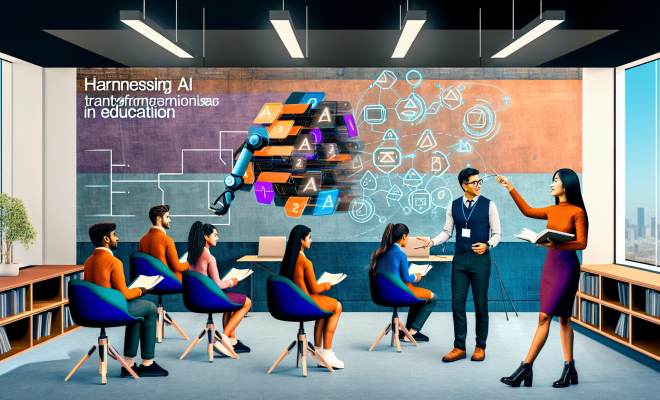
The integration of artificial intelligence (AI) in education is rapidly transforming the landscape of teaching and learning. From streamlining administrative tasks to enhancing the personalized learning experience for students, AI tools are becoming a staple in classrooms across the globe. However, as educators embrace these technologies, they also face new challenges, particularly concerning academic integrity and the need to maintain rigorous standards.
The Rise of AI Tools in Education
Teachers are increasingly utilizing AI tools to boost efficiency in various aspects of their work. One of the most significant applications is in attendance tracking, where AI systems can automatically log student presence, saving educators valuable time that can be redirected towards instruction and engagement.
Moreover, AI is playing a crucial role in creating personalized learning experiences for students. By analyzing real-time data, these tools can provide insights into student engagement patterns, allowing teachers to tailor their teaching methods to better meet the needs of individual learners. For instance, AI algorithms can identify which students may be struggling with specific concepts and suggest targeted interventions.
Generative AI: Enhancing Creativity or Eroding Integrity?
While the benefits of AI in education are evident, the rise of generative AI tools among high school students has raised significant concerns regarding academic integrity. These platforms enable students to generate essays, solve problems, and even create art, often blurring the lines between original work and AI-generated content. This has prompted educators to rethink traditional assessment methods.
- How do we evaluate a student’s understanding when AI can produce high-quality work?
- What strategies can educators implement to encourage original thought?
- How can assessments be designed to account for AI use while still maintaining academic rigor?
As students increasingly leverage generative AI for assignments, schools must adapt their evaluation techniques. This could involve a shift towards more formative assessments, which focus on monitoring student progress and understanding rather than solely on summative evaluations like tests and essays. Additionally, educators may need to incorporate discussions about AI usage and ethics into the curriculum, fostering a culture of integrity and critical thinking.
Finding the Balance: Integration and Rigor
The challenge for educators lies in striking a balance between embracing AI’s capabilities and ensuring that students develop the necessary skills for critical thinking and problem-solving. As AI tools become more integrated into the educational framework, teachers must be vigilant in maintaining the rigor of their programs.
One approach is to leverage AI to facilitate collaborative learning. By using AI-driven platforms that promote teamwork and peer interaction, educators can encourage students to engage with one another and explore ideas collectively. This not only helps students develop communication skills but also allows them to challenge each other’s thinking and learn from diverse perspectives.
Professional Development for Educators
To effectively navigate the evolving educational landscape, teachers require ongoing professional development focused on AI integration. Training programs can equip educators with the knowledge needed to implement AI tools effectively while addressing potential pitfalls, such as dependency on technology and the erosion of critical analysis skills.
- Workshops on AI tools and their applications in the classroom.
- Resources for developing assessments that consider AI-generated content.
- Strategies for fostering a culture of academic integrity among students.
By investing in professional development, schools can prepare educators to harness the full potential of AI while maintaining a strong focus on educational outcomes. This preparation is vital as AI continues to evolve, presenting both opportunities and challenges for teachers and students alike.
Conclusion
The adoption of AI tools in education presents a remarkable opportunity to enhance teaching and learning experiences. However, it also raises important questions about academic integrity and the need for rigorous assessments. As educators navigate this complex landscape, they must remain committed to fostering critical thinking and creativity while leveraging the advantages that AI offers.
Ultimately, the goal is to create an educational environment where technology and human intellect coexist harmoniously, empowering students to thrive in an increasingly digital world.