Northern Lights 2026: Your U.S. Aurora Borealis Guide
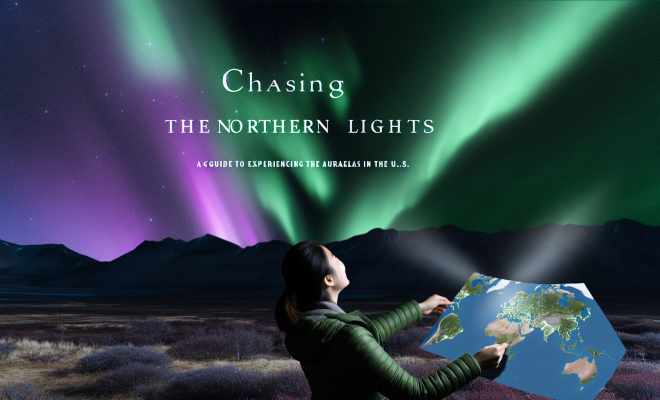
The Aurora Borealis, commonly known as the Northern Lights, is a breathtaking natural phenomenon that captivates travelers and sky-watchers alike. On the night of March 20, 2026, a G2 geomagnetic storm has been forecasted by the National Oceanic and Atmospheric Administration (NOAA), allowing the Northern Lights to be visible across various northern regions of the United States. As the storm continues into March 21, enthusiasts are gearing up for what could be one of the most spectacular displays of the year.
What Causes the Aurora Borealis?
The Aurora Borealis occurs when charged particles from the sun collide with gases in Earth’s atmosphere. This interaction produces vibrant colors, typically green, but sometimes red, yellow, blue, and violet, depending on the type of gas and altitude of the collisions. The recent solar eruption, which arrived on March 19, is expected to enhance these displays, making it a prime time for viewing the aurora.
Optimal Viewing Conditions
For those hoping to witness this stunning display, the best viewing times are typically between 10 PM and 2 AM local time. To capture the beauty of the aurora, find a north-facing high vantage point away from city lights. Modern smartphones equipped with Night Mode can effectively photograph the Northern Lights when used with a tripod or other stable surfaces.
Where to See the Northern Lights in the U.S.
If you’re considering a trip to see the Northern Lights, here are some of the top destinations in the United States:
- Fairbanks, Alaska: Renowned for its clear skies and proximity to the Arctic Circle, Fairbanks offers one of the most reliable locations in the U.S. for aurora viewing.
- Upper Peninsula of Michigan: The remote areas of Michigan’s UP are less affected by light pollution, making them an excellent choice for aurora chasers.
- Northern Minnesota: Known for its vast wilderness, northern Minnesota provides numerous opportunities to witness the aurora, particularly in the Boundary Waters Canoe Area.
- Grand Teton/Yellowstone, Wyoming: The dramatic landscapes of these national parks create a stunning backdrop for the Northern Lights, making them a popular destination for both tourists and photographers.
- Cherry Springs State Park, Pennsylvania: Recognized as one of the best places for stargazing in the eastern U.S., Cherry Springs offers dark skies ideal for viewing the aurora when conditions are right.
Planning Your Aurora Adventure
When planning your Northern Lights adventure, consider the following tips:
- Check the Weather: Clear skies are essential for optimal visibility, so keep an eye on local weather forecasts.
- Download Aurora Forecast Apps: Apps like Aurora Forecast can provide real-time alerts and updates on auroral activity.
- Stay Warm: Dress in layers and keep warm while you wait for the lights to appear. Hot drinks and blankets can enhance your comfort.
- Be Patient: Sometimes, the aurora can be elusive. Be prepared to wait for a while, and enjoy the night sky in the meantime.
The Science Behind the Spectacle
The intensity of the aurora is classified on a scale from G1 to G5, with G2 representing moderate geomagnetic activity. This classification helps enthusiasts understand the potential visibility of the lights. G2 storms can produce strong auroras that can be seen in areas farther south than usual, making this particular forecast exciting for many.
Future Opportunities for Aurora Viewing
While the March 2026 solar storm presents a unique opportunity, auroras can be seen during other times of the year as well. The optimal months for viewing the Northern Lights typically fall between late September and early April, when nights are longest and skies are darkest.
Conclusion
The Aurora Borealis is a mesmerizing spectacle that draws adventurers from all over the world. With the right planning and a touch of luck, you can experience this natural wonder in the United States. As the G2 geomagnetic storm unfolds, grab your camera, bundle up, and head to one of the recommended viewing spots. Whether you’re a seasoned aurora chaser or a first-time viewer, witnessing the Northern Lights is sure to be an unforgettable experience.