Iran Conflict & Rising Oil Prices Threaten Global Auto Sales
Introduction
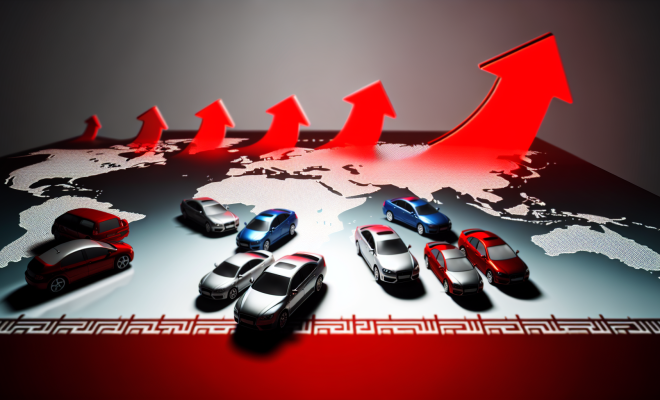
The ongoing conflict in Iran is casting a shadow over the global automotive market, raising alarms about potential disruptions in sales and shifts in consumer behavior. With the complexities of global supply chains, particularly in the automotive sector, industry experts are expressing concerns that the unrest could lead to rising oil prices, thereby affecting both traditional vehicle sales and the burgeoning electric vehicle (EV) market.
Impact of Oil Supply Issues
The automotive industry has always been sensitive to fluctuations in oil prices, and the situation in Iran is no exception. As one of the significant players in the oil market, any disruption in Iran can lead to a ripple effect across the globe. Experts warn that a sustained increase in gas prices can alter consumer purchasing decisions, compelling buyers to reconsider their options when it comes to both new vehicles and fuel-efficient alternatives.
Risks for Automakers with Middle East Exposure
Brands that have a notable presence in the Middle East, particularly Chinese automakers, are likely to face heightened risks due to their reliance on oil supplies from the region. These companies could experience disruptions in their supply chains, affecting their ability to deliver vehicles efficiently. The reliance on oil as a critical component for vehicle operation means that any shifts in availability can lead to immediate repercussions in sales figures.
The EV Market and Consumer Behavior
The potential rise in gas prices may also have an indirect yet profound impact on the adoption of electric vehicles. Major U.S. automakers, including Ford, General Motors (GM), and Honda, are currently undergoing a significant transformation, with a combined investment of around $70 billion aimed at pivoting towards EV production. However, higher fuel prices could complicate these efforts.
Challenges to EV Adoption
- Price Sensitivity: Consumers who are already facing budget constraints may hesitate to invest in EVs, even with the promise of lower long-term fuel costs.
- Market Perception: A perception that gas prices are likely to remain high could lead consumers to delay purchasing decisions altogether.
- Infrastructure Concerns: While EV technology continues to advance, concerns about charging infrastructure accessibility may also play a role in consumer hesitation.
Historical Context and Future Outlook
The automotive industry has weathered various storms over the decades, including oil crises and geopolitical conflicts. Historically, spikes in fuel prices have led to increased interest in fuel-efficient vehicles, yet the current environment presents unique challenges. The push towards sustainability and electric mobility is more pronounced than ever, but it is intertwined with the current global economic climate.
According to industry analysts, the potential for oil supply issues stemming from the Iran conflict could lead to a dual crisis: one affecting immediate gas prices and another impacting long-term shifts towards electric mobility. If gas prices continue to rise, automakers may find themselves in a precarious position, balancing traditional vehicle production while ramping up EV initiatives.
Strategic Responses from Automakers
In light of these challenges, automakers will need to be strategic in their responses to the evolving market conditions. Strategies may include:
- Flexible Production: Automakers may need to adopt more flexible production strategies that allow for quick adjustments based on material and fuel costs.
- Consumer Incentives: Increasing incentives for EV purchases could help stimulate demand despite rising fuel prices.
- Investment in Infrastructure: Collaborating with governments and private sectors to enhance EV charging infrastructure will be crucial for long-term acceptance.
Conclusion
The ongoing conflict in Iran serves as a stark reminder of the interconnectedness of global markets and the automotive industry’s vulnerability to geopolitical events. As automakers navigate the complexities of this landscape, consumer behavior will undoubtedly play a critical role in shaping the future of both traditional and electric vehicle sales. The next few months will be pivotal for the industry, as it grapples with the dual challenges of maintaining sales momentum while pushing for a greener future amidst rising oil prices.