The Tech Edvocate

Top Menu

  • Advertisement
  • Apps
  • Home Page
  • Home Page Five (No Sidebar)
  • Home Page Four
  • Home Page Three
  • Home Page Two
  • Home Tech2
  • Icons [No Sidebar]
  • Left Sidbear Page
  • Lynch Educational Consulting
  • My Account
  • My Speaking Page
  • Newsletter Sign Up Confirmation
  • Newsletter Unsubscription
  • Our Brands
  • Page Example
  • Privacy Policy
  • Protected Content
  • Register
  • Request a Product Review
  • Shop
  • Shortcodes Examples
  • Signup
  • Start Here
    • Governance
    • Careers
    • Contact Us
  • Terms and Conditions
  • The Edvocate
  • The Tech Edvocate Product Guide
  • Topics
  • Write For Us
  • Advertise

Main Menu

  • Start Here
    • Our Brands
    • Governance
      • Lynch Educational Consulting, LLC.
      • Dr. Lynch’s Personal Website
      • Careers
    • Write For Us
    • The Tech Edvocate Product Guide
    • Contact Us
    • Books
    • Edupedia
    • Post a Job
    • The Edvocate Podcast
    • Terms and Conditions
    • Privacy Policy
  • Topics
    • Assistive Technology
    • Child Development Tech
    • Early Childhood & K-12 EdTech
    • EdTech Futures
    • EdTech News
    • EdTech Policy & Reform
    • EdTech Startups & Businesses
    • Higher Education EdTech
    • Online Learning & eLearning
    • Parent & Family Tech
    • Personalized Learning
    • Product Reviews
  • Advertise
  • Tech Edvocate Awards
  • The Edvocate
  • Pedagogue
  • School Ratings

logo

The Tech Edvocate

  • Start Here
    • Our Brands
    • Governance
      • Lynch Educational Consulting, LLC.
      • Dr. Lynch’s Personal Website
        • My Speaking Page
      • Careers
    • Write For Us
    • The Tech Edvocate Product Guide
    • Contact Us
    • Books
    • Edupedia
    • Post a Job
    • The Edvocate Podcast
    • Terms and Conditions
    • Privacy Policy
  • Topics
    • Assistive Technology
    • Child Development Tech
    • Early Childhood & K-12 EdTech
    • EdTech Futures
    • EdTech News
    • EdTech Policy & Reform
    • EdTech Startups & Businesses
    • Higher Education EdTech
    • Online Learning & eLearning
    • Parent & Family Tech
    • Personalized Learning
    • Product Reviews
  • Advertise
  • Tech Edvocate Awards
  • The Edvocate
  • Pedagogue
  • School Ratings
  • Unmasking the Troubling Truth About EU’s Digital Omnibus and Your Data

  • Outrageous: Your US Car Insurance 2026 Bill Is About to Explode – Here’s Why

  • Uncovering the Truth: Are AI Spending Concerns About to Tank Your Portfolio?

  • The Silent Revolution: How AI Property Valuation Is Quietly Reshaping Real Estate

  • The Astonishing Truth: Why Your Dream Car Is Now a $52,000 Illusion

  • Toxic Algorithms: Why Your Bank’s AI Could Cost You Everything

  • OpenAI’s GPT-6 Cyber: A Dangerous New AI Threat or Our Ultimate Digital Guardian?

  • This Game-Changing Natural Ozempic Alternative Just Blew Up on Social Media

  • Bónuszösszeg, ingyen pörgetés és befizetési feltétel: üdvözlő és befizetés nélküli kaszinóajánlatok magyar játékosoknak

  • 9 Critical Reasons Why Athexio Might Be The Investment You Need (Or Should Avoid)

Tech News
Home›Tech News›States Gain Flexibility in Education Funding & Testing Under ESSA Waivers

States Gain Flexibility in Education Funding & Testing Under ESSA Waivers
By Matthew Lynch
March 17, 2026
0
Spread the love

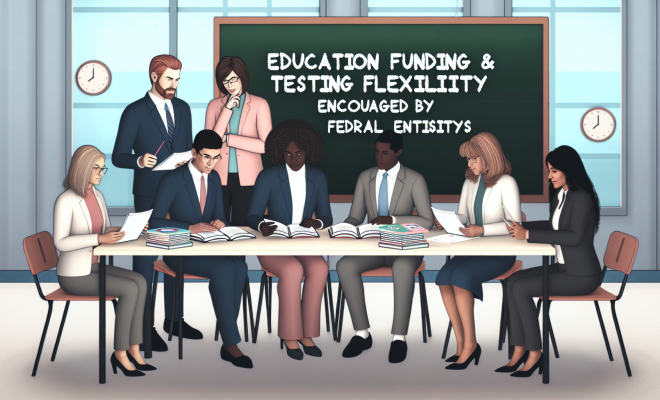
In a significant shift in education policy, U.S. Secretary of Education Linda McMahon has encouraged states to request waivers from the Every Student Succeeds Act (ESSA). This initiative aims to provide states with the flexibility to customize their approaches to federal school funding, standardized testing, and accountability measures. This push is part of the broader agenda of the Trump administration to decentralize educational control and return it to individual states.

State Requests for Waivers

Several states have already begun to submit requests for waivers, seeking to adapt their educational frameworks to better suit their unique needs. This move is seen as an opportunity to reduce bureaucratic constraints that often accompany federal funding. The waiver requests focus on three primary areas:

  • Measuring Student Outcomes: States are looking for alternative methods to assess student performance and educational effectiveness.
  • Improving Low-Performing Schools: Aimed at enhancing support for struggling institutions, states want to implement tailored strategies that align with local needs.
  • Allocating Federal Funds: States seek the ability to distribute funds in a manner that reflects their specific educational priorities.

Rationale Behind the Push

Advocates for this state-level autonomy argue that local education leaders are in a better position to understand the unique challenges within their districts. By allowing states to customize their approaches, the hope is to foster innovation and improvement in educational outcomes.

Linda McMahon’s encouragement comes as part of a larger ideological framework that emphasizes local control over federal oversight. Proponents believe that states can respond more effectively to the needs of their students without the constraints of federal mandates.

Concerns from Advocacy Groups

However, not everyone is on board with this initiative. Advocacy groups, particularly those representing disadvantaged students, are voicing significant concerns. Critics argue that this shift could lead to weakened accountability standards, potentially harming marginalized groups, including English learners and low-income students. They fear that the flexibility granted to states may result in resources being diverted away from those who need them the most.

Organizations focused on educational equity emphasize that while local control can be beneficial, it must not come at the expense of ensuring that all students receive a fair and adequate education. The potential for disparities in funding and resources could widen the existing achievement gaps among different demographic groups.

Impact on Federal School Funding

The changes being proposed could significantly alter the landscape of federal school funding. If states are granted the flexibility they seek, it could lead to a more varied educational experience across the nation. Some states may choose to prioritize innovative educational programs, while others might focus on traditional methods of assessment and accountability.

This variability raises questions about the consistency of educational quality across state lines. As each state carves out its own path, the federal government will need to monitor these changes closely to ensure that they do not lead to a decline in educational standards.

Next Steps for States

As states continue to explore their options under the ESSA waiver requests, they will need to engage in comprehensive planning and stakeholder consultations. It will be crucial for state education departments to collaborate with teachers, parents, and community organizations to develop strategies that genuinely enhance educational outcomes for all students.

The process of requesting and implementing waivers is not without its challenges. States must provide a compelling rationale for their requests and demonstrate how their proposed changes will lead to improved educational results. Additionally, they will need to establish mechanisms to maintain accountability and transparency in their educational systems.

The Road Ahead

The push for state flexibility in education represents a pivotal moment in U.S. educational policy. As states navigate this new landscape, the balance between local control and federal oversight will be critical. The outcome of these efforts will likely shape the future of education in America for years to come.

In conclusion, while the potential for increased flexibility is promising, it is essential that the needs of all students remain at the forefront of any changes. As states pursue their waivers, the dialogue surrounding educational equity must continue to ensure that all students have access to the resources and support they need to succeed.


Previous Article

Texas Education Freedom Account: Apply by March ...

Next Article

Richardson ISD Invests $450K in Marketing to ...

Matthew Lynch

Related articles More from author

  • Tech News

    Master Gmail Offline: Your Guide to Email Without Internet

    July 15, 2026
    By Matthew Lynch
  • Tech News

    Fix Video Stuttering: 10 Proven Ways for Smooth Playback

    June 23, 2026
    By Matthew Lynch
  • Tech News

    The $15 Billion AI Healthcare Startup Quietly Revolutionizing Patient Care

    October 22, 2026
    By Matthew Lynch
  • Tech News

    DHS Shutdown Day 37: National Security Crisis & Employee Hardship

    March 23, 2026
    By Matthew Lynch
  • Tech News

    Master the Jumping Jack: Benefits, Technique & Variations

    July 1, 2026
    By Matthew Lynch
  • Tech News

    Zoom Windows vs Discord for meetings

    August 1, 2026
    By Matthew Lynch

Search

Login & Registration

  • Log in
  • Entries feed
  • Comments feed
  • WordPress.org

Newsletter

Signup for The Tech Edvocate Newsletter and have the latest in EdTech news and opinion delivered to your email address!

About Us

Since technology is not going anywhere and does more good than harm, adapting is the best course of action. That is where The Tech Edvocate comes in. We plan to cover the PreK-12 and Higher Education EdTech sectors and provide our readers with the latest news and opinion on the subject. From time to time, I will invite other voices to weigh in on important issues in EdTech. We hope to provide a well-rounded, multi-faceted look at the past, present, the future of EdTech in the US and internationally.

We started this journey back in June 2016, and we plan to continue it for many more years to come. I hope that you will join us in this discussion of the past, present and future of EdTech and lend your own insight to the issues that are discussed.

Newsletter

Signup for The Tech Edvocate Newsletter and have the latest in EdTech news and opinion delivered to your email address!

Contact Us

The Tech Edvocate
910 Goddin Street
Richmond, VA 23231
(601) 630-5238
[email protected]

Copyright © 2026 Matthew Lynch. All rights reserved.