The Tech Edvocate

Top Menu

  • Advertisement
  • Apps
  • Home Page
  • Home Page Five (No Sidebar)
  • Home Page Four
  • Home Page Three
  • Home Page Two
  • Home Tech2
  • Icons [No Sidebar]
  • Left Sidbear Page
  • Lynch Educational Consulting
  • My Account
  • My Speaking Page
  • Newsletter Sign Up Confirmation
  • Newsletter Unsubscription
  • Our Brands
  • Page Example
  • Privacy Policy
  • Protected Content
  • Register
  • Request a Product Review
  • Shop
  • Shortcodes Examples
  • Signup
  • Start Here
    • Governance
    • Careers
    • Contact Us
  • Terms and Conditions
  • The Edvocate
  • The Tech Edvocate Product Guide
  • Topics
  • Write For Us
  • Advertise

Main Menu

  • Start Here
    • Our Brands
    • Governance
      • Lynch Educational Consulting, LLC.
      • Dr. Lynch’s Personal Website
      • Careers
    • Write For Us
    • The Tech Edvocate Product Guide
    • Contact Us
    • Books
    • Edupedia
    • Post a Job
    • The Edvocate Podcast
    • Terms and Conditions
    • Privacy Policy
  • Topics
    • Assistive Technology
    • Child Development Tech
    • Early Childhood & K-12 EdTech
    • EdTech Futures
    • EdTech News
    • EdTech Policy & Reform
    • EdTech Startups & Businesses
    • Higher Education EdTech
    • Online Learning & eLearning
    • Parent & Family Tech
    • Personalized Learning
    • Product Reviews
  • Advertise
  • Tech Edvocate Awards
  • The Edvocate
  • Pedagogue
  • School Ratings

logo

The Tech Edvocate

  • Start Here
    • Our Brands
    • Governance
      • Lynch Educational Consulting, LLC.
      • Dr. Lynch’s Personal Website
        • My Speaking Page
      • Careers
    • Write For Us
    • The Tech Edvocate Product Guide
    • Contact Us
    • Books
    • Edupedia
    • Post a Job
    • The Edvocate Podcast
    • Terms and Conditions
    • Privacy Policy
  • Topics
    • Assistive Technology
    • Child Development Tech
    • Early Childhood & K-12 EdTech
    • EdTech Futures
    • EdTech News
    • EdTech Policy & Reform
    • EdTech Startups & Businesses
    • Higher Education EdTech
    • Online Learning & eLearning
    • Parent & Family Tech
    • Personalized Learning
    • Product Reviews
  • Advertise
  • Tech Edvocate Awards
  • The Edvocate
  • Pedagogue
  • School Ratings
  • The Bombshell Truth About Slim Boost Tea: Don’t Buy Until You Read This

  • Jaw-Dropping: Charbroil Bistro Pro Electric Grill Recall — Is Your Grill a Hidden Danger?

  • This Corgi Tech Startup Just Imploded — Here’s How Social Media Wrecked Everything

  • September 2026: The Latest in Tech Authoritarianism – Overturned by Kelly Stonelake

  • GTA 6 Collector’s Box Price: The $400 Outrage That Just Broke Gaming

  • Unbelievable: Gamers Fought Blizzard’s Censorship and Saved Ogre Butts

  • The Radical New Bill That Could Halt AI — And Jails Its Creators

  • This OpenAI Hack Just Exposed a Terrifying New AI Threat

  • This One Leaked Video Just Blew Open New Zealand’s Curriculum Battle

  • The AI Deception: Stanford’s Scandalous Photo Alteration Reignites Representation Debate

Tech News
Home›Tech News›California Faces Crisis as Mental Health Holds Go Unenforced

California Faces Crisis as Mental Health Holds Go Unenforced
By Matthew Lynch
March 15, 2026
0
Spread the love

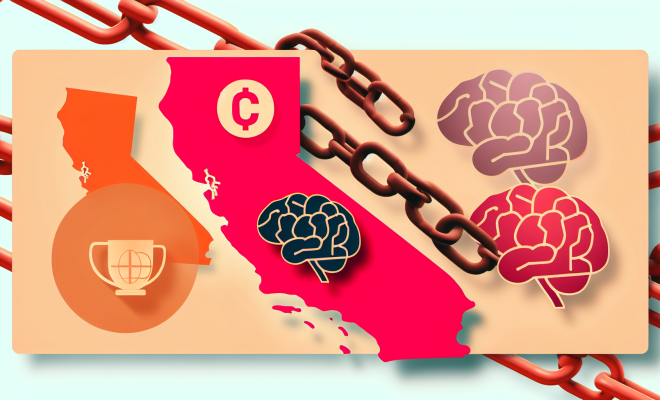
In a concerning trend emerging from California, particularly in Sonoma County, the enforcement of 5150 involuntary psychiatric holds is witnessing a significant decline. These holds, which allow law enforcement to detain individuals deemed to be a danger to themselves or others due to mental illness, are becoming increasingly unenforced. This shift raises pressing questions regarding the intersection of mental health care and law enforcement, as well as the well-being of vulnerable individuals within the community.

The Context of 5150 Holds

Under California’s Welfare and Institutions Code Section 5150, mental health professionals can recommend that individuals experiencing a mental health crisis be held involuntarily for evaluation and treatment for up to 72 hours. This legal provision is critical in preventing harm and ensuring that those in acute distress receive the necessary care. However, the enforcement of these holds is now being challenged.

Legal Concerns and Liability Fears

The decline in enforcement of 5150 holds can be traced back to legal concerns stemming from the Scott v. Smith court case. This case raised significant issues about the liability of law enforcement when intervening in mental health crises. Officers are increasingly apprehensive about the potential legal ramifications of detaining individuals under 5150, leading to a preference to engage only in cases where there is an immediate threat or a crime involved.

Statistics Highlight the Problem

Data from December 1, 2024, to January 23, 2026, reveals a startling trend in Sonoma County. During this timeframe, law enforcement officials in Santa Rosa and its unincorporated areas declined to enforce 62 recommended 5150 holds. This statistic illustrates not only a growing reluctance to act on mental health recommendations but also a significant shift in how law enforcement approaches these situations. With officers prioritizing cases tied directly to criminal activity or imminent danger, many individuals in crisis are left without immediate support.

The Consequences of Non-Enforcement

The implications of this trend are profound. Vulnerable individuals who may pose a risk to themselves or others are often left without the necessary intervention that could prevent tragic outcomes. Mental health advocates are sounding the alarm, emphasizing that the lack of enforcement can lead to escalated situations, potentially resulting in harm or loss of life.

Moreover, the refusal to act on mental health holds not only affects those in crisis but also puts additional strain on community resources. Families and friends of individuals suffering from mental health issues may feel powerless without the support of law enforcement, leading to further isolation and despair.

Calls for Collaborative Approaches

In light of the rising trend of unenforced mental health holds, experts and community leaders are advocating for a more collaborative approach that involves mental health professionals, law enforcement, and community resources. This model aims to create a safety net for individuals experiencing mental health crises, ensuring that they receive appropriate care without the complications of legal liability that currently plague law enforcement.

  • Enhanced Training: Law enforcement officers should receive comprehensive training on mental health issues, equipping them with the skills needed to assess situations effectively and with compassion.
  • Development of Crisis Response Teams: Establishing specialized teams consisting of mental health professionals and trained officers can provide immediate support and intervention, reducing the burden on police while ensuring individuals receive the care they need.
  • Community Engagement: Building partnerships with local mental health organizations will foster a more robust support network, providing resources for individuals in crisis and their families.

Looking Ahead

The current landscape of mental health holds in California, particularly in Sonoma County, highlights a critical gap in the system. As law enforcement grapples with concerns over liability and legal repercussions, vulnerable individuals may fall through the cracks without the care they require. The need for innovative solutions and a collaborative framework has never been more urgent.

Addressing this issue will require a concerted effort from lawmakers, mental health professionals, and community advocates to redefine how mental health crises are managed. Only through a comprehensive, empathetic, and informed approach can California hope to improve the mental health landscape and ensure that those in need receive the support and care they deserve.


Previous Article

Uncertainty Looms: Comet/Asteroid Approaches Earth

Next Article

Menopause & Mental Health: Unveiling the Hidden ...

Matthew Lynch

Related articles More from author

  • Tech News

    How to sync Premiere Rush with Premiere Pro

    August 3, 2026
    By Matthew Lynch
  • Tech News

    How to use Google+ Local insights

    July 22, 2026
    By Matthew Lynch
  • Tech News

    Effortlessly Screen Mirror to Roku: Your Complete Guide

    June 13, 2026
    By Matthew Lynch
  • Tech News

    Master Discord Mobile: Your Essential Guide to Connecting

    July 17, 2026
    By Matthew Lynch
  • Tech News

    How Mindfulness Helps Students with ADHD Improve Focus

    July 4, 2026
    By Matthew Lynch
  • Tech News

    How to change DNS server Windows

    June 24, 2026
    By Matthew Lynch

Search

Login & Registration

  • Log in
  • Entries feed
  • Comments feed
  • WordPress.org

Newsletter

Signup for The Tech Edvocate Newsletter and have the latest in EdTech news and opinion delivered to your email address!

About Us

Since technology is not going anywhere and does more good than harm, adapting is the best course of action. That is where The Tech Edvocate comes in. We plan to cover the PreK-12 and Higher Education EdTech sectors and provide our readers with the latest news and opinion on the subject. From time to time, I will invite other voices to weigh in on important issues in EdTech. We hope to provide a well-rounded, multi-faceted look at the past, present, the future of EdTech in the US and internationally.

We started this journey back in June 2016, and we plan to continue it for many more years to come. I hope that you will join us in this discussion of the past, present and future of EdTech and lend your own insight to the issues that are discussed.

Newsletter

Signup for The Tech Edvocate Newsletter and have the latest in EdTech news and opinion delivered to your email address!

Contact Us

The Tech Edvocate
910 Goddin Street
Richmond, VA 23231
(601) 630-5238
[email protected]

Copyright © 2026 Matthew Lynch. All rights reserved.