Iran’s Cyber Retaliation: A Response to Escalating Tensions with the U.S.
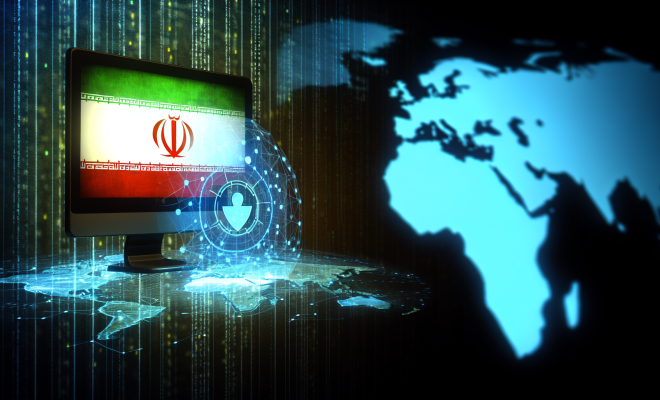
In a bold move that marks a significant escalation in the ongoing tensions between Iran and the United States, Iran has launched a devastating cyber attack aimed at wiping critical data systems across U.S. infrastructure. This unprecedented attack is being described as a form of retaliation for the tragic Minab school massacre, which has sparked outrage in Iran and intensified calls for action against perceived aggressors.
Background of the Conflict
The backdrop to Iran’s cyber assault is rooted in a series of violent confrontations that have claimed numerous lives, including a recent increase in strikes by U.S. and Israeli forces. Reports indicate that these operations have killed Iran’s Supreme Leader and more than 1,348 civilians, leading to heightened tensions and a fervent desire for retribution among Iranian leadership.
The Minab School Massacre
The Minab school massacre, which occurred earlier this month, has been a pivotal event that galvanized Iranian sentiment against the U.S. and its allies. This tragic incident involved a violent attack on a school in the southern province of Hormozgan, leading to the deaths of several children and further escalating an already fraught situation. The Iranian government has publicly condemned the attack, framing it as not just an assault on their sovereignty but also as a direct attack on their future, symbolized by the lives of innocent children.
The Cyber Attack Explained
Iran’s response came swiftly in the form of a cyber operation that has been likened to a declaration of war in the digital realm. The attack, which targeted critical U.S. data systems, resulted in significant data loss and disruption across multiple sectors. According to cybersecurity experts, the scale and sophistication of the attack are indicative of Iran’s growing capabilities in cyber warfare.
Impact of the Cyber Assault
- Widespread Data Loss: The cyber attack led to the erasure of crucial information, affecting government agencies and private sector organizations alike.
- Infrastructure Disruption: Essential services experienced outages, causing public safety concerns and interruptions in day-to-day activities.
- Increased Security Measures: The U.S. government has since ramped up its cybersecurity protocols in response to the attack, placing an emphasis on protecting sensitive data.
The U.S. Response
In light of the cyber attack, U.S. officials have voiced their condemnation and concerns. Pentagon Chief Lloyd Austin took to the media to question the leadership in Iran, referring to the new Iranian leader as “disfigured,” a comment that underscores the deep-seated animosity and distrust between the two nations.
Strategic Implications
This incident is not merely a technological confrontation but also carries significant strategic implications. The U.S. has long been wary of Iran’s expanding influence in the Middle East, particularly in light of the recent military actions that have left many questioning the stability of the Iranian regime. The cyber attack highlights Iran’s ability to strike back at its adversaries in non-traditional ways, suggesting that the geopolitical landscape may be shifting.
Trump’s Announcement of Military Actions
Adding another layer to the ongoing conflict, former U.S. President Donald Trump has announced renewed military operations targeting Kharg Island, a critical lifeline for Iran’s energy exports. These strikes could further destabilize the region and provoke additional retaliatory measures from Iran, heightening the risk of an all-out conflict.
Potential for Escalation
Experts are warning that the combination of military strikes and cyber warfare could set a dangerous precedent, leading to a cycle of retaliation that could spiral out of control. Iran’s cyber capabilities are rapidly evolving, raising concerns that future attacks may become even more sophisticated and damaging.
Conclusion
The recent cyber attack by Iran represents a significant escalation in an already tense situation with the United States. It serves as a stark reminder of the vulnerabilities that modern nations face in the digital age. As both sides grapple with the implications of this confrontation, the world watches closely, knowing that the next steps taken by both nations could have far-reaching consequences.
Moving forward, the international community must pay careful attention to these developments, advocating for dialogue and peaceful resolutions to prevent further escalation and ensure regional stability in the volatile Middle East.