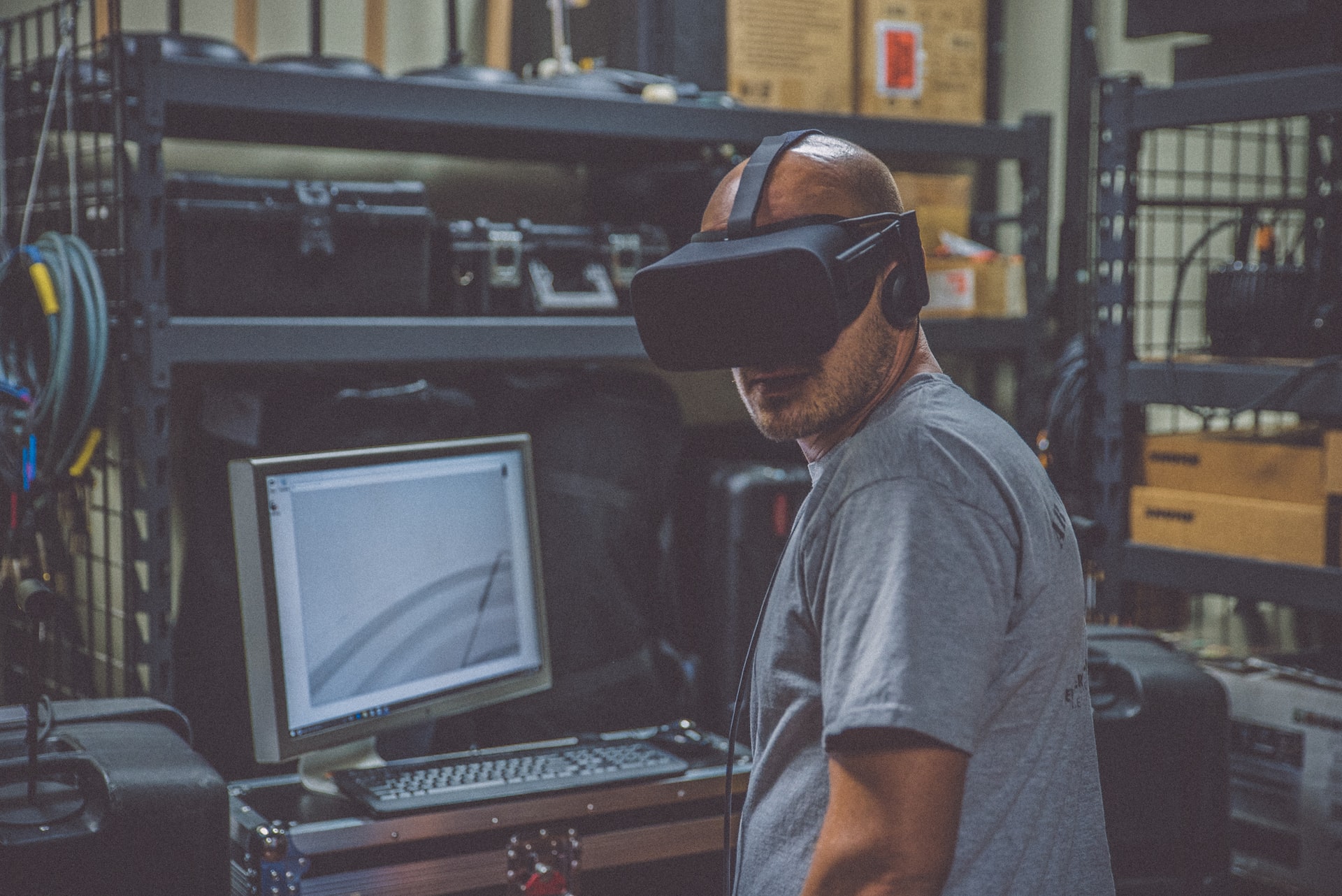
Best of the Best AR Smart Glasses 2026

Introduction: The Rise of Augmented Reality
As we advance further into the 21st century, the line between the digital and physical worlds continues to blur, thanks in large part to augmented reality (AR) technology. AR smart glasses have emerged as a leading innovation, promising to transform how we interact with our environment, access information, and enhance our daily lives. In 2026, the market is booming with a range of AR smart glasses that cater to various users, from tech enthusiasts and gamers to professionals in industries such as healthcare, engineering, and entertainment. This article explores the best AR smart glasses available in 2026, examining their features, capabilities, and the impact they have on both personal and professional applications.
Section 1: Key Features of AR Smart Glasses
Subsection 1.1: Display Technology
In 2026, the display technology used in AR smart glasses has evolved significantly. Key features include:
High-resolution displays: Many models now offer HD or even 4K resolution, providing crisp and clear images that enhance the user experience.
Wide field of view: A greater field of view allows for a more immersive experience, enabling users to see more digital content within their peripheral vision.
Adaptive brightness: This feature adjusts the brightness of the display based on ambient lighting conditions, ensuring visibility whether indoors or outdoors.
Subsection 1.2: Connectivity and Compatibility
Modern AR smart glasses prioritize connectivity and compatibility, allowing users to seamlessly integrate their devices:
Bluetooth and Wi-Fi connectivity: Most models support both Bluetooth and Wi-Fi, enabling quick connections to smartphones, tablets, and other devices for easy data sharing.
Cross-platform compatibility: Many AR smart glasses are designed to work with various operating systems, including iOS, Android, and Windows, ensuring a broad user base.
Subsection 1.3: User Interface and Controls
An intuitive user interface is critical for a smooth AR experience:
Gesture recognition: Advanced models feature gesture recognition technology that allows users to control applications and navigate the interface with simple hand movements.
Voice activation: Voice commands enhance usability, allowing users to interact with their smart glasses without needing to use their hands.
Touch-sensitive controls: Some models incorporate touch-sensitive panels on the arms or lenses, providing additional navigation options.
Section 2: Top AR Smart Glasses of 2026
Subsection 2.1: Microsoft HoloLens 3
The Microsoft HoloLens 3 stands out as one of the leading AR smart glasses in 2026. With its focus on enterprise applications, it is widely adopted in industries such as healthcare, manufacturing, and education.
Pros:
Exceptional spatial mapping: The HoloLens 3 features advanced spatial mapping capabilities, allowing it to understand and interact with the physical environment more effectively.
Robust applications: A vast ecosystem of applications tailored for enterprise use enhances productivity and collaboration.
Comfortable design: The headset is lightweight and ergonomically designed for extended use.
Cons:
High price point: The cost may be prohibitive for casual users, as it targets businesses and professionals.
Bulkiness: Some users find the design bulky compared to other consumer models.
Subsection 2.2: Google Glass Enterprise Edition 3
The Google Glass Enterprise Edition 3 has made a significant comeback, focusing on professional applications in industries like logistics, field service, and healthcare.
Pros:
Lightweight and compact: The design is sleek, making it more comfortable for extended wear compared to bulkier competitors.
Hands-free operation: Voice commands and simple touch controls allow for a seamless user experience.
Strong battery life: Extended battery life supports long working hours without frequent recharging.
Cons:
Limited consumer features: The focus on enterprise functionality means fewer features for casual users.
Narrow field of view: Compared to other AR glasses, the field of view may feel constricted for some applications.
Subsection 2.3: Magic Leap 2
The Magic Leap 2 is known for its immersive experience and has garnered attention for its use in gaming and entertainment.
Pros:
Impressive visuals: The high-resolution display and wide field of view make for stunning visual experiences in AR applications.
Diverse application ecosystem: A growing library of applications caters to both entertainment and professional users.
Innovative design: The design is sleek and stylish, appealing to a broader audience.
Cons:
High cost: Similar to the HoloLens 3, the pricing may deter casual consumers.
Limited outdoor usability: The device performs best in controlled lighting conditions, which may limit outdoor use.
Subsection 2.4: Vuzix Blade Upgraded Edition
The Vuzix Blade Upgraded Edition is a versatile option for both consumers and professionals, offering a mix of features that appeal to a wide audience.
Pros:
Affordable pricing: Compared to other high-end models, the Vuzix Blade offers a more budget-friendly option without sacrificing quality.
User-friendly interface: The glasses are easy to operate, making them accessible for users without technical expertise.
Lightweight and comfortable: The design is suitable for prolonged use.
Cons:
Limited processing power: Performance may lag in more complex applications compared to high-end models.
Basic AR capabilities: While functional, the AR features may not be as advanced as those found in premium devices.
Section 3: The Future of AR Smart Glasses
Subsection 3.1: Advancements in Technology
As we look to the future, several advancements in AR technology are on the horizon:
Enhanced AI integration: Future models are expected to incorporate more sophisticated AI, allowing for better contextual awareness and predictive capabilities.
Improved battery technology: As battery life continues to be a concern, advancements in energy storage may lead to longer-lasting devices.
Subsection 3.2: Broader Applications
The potential applications for AR smart glasses are expanding rapidly:
Healthcare: AR glasses could revolutionize surgeries and medical training, providing real-time data and visualizations to surgeons and students.
Education: In classrooms, AR could enhance learning experiences, allowing students to interact with 3D models and simulations.
Entertainment: The gaming industry is likely to see further innovations, with AR glasses enabling immersive gaming experiences that blend the virtual and real worlds.
Conclusion: A Bright Future for AR Smart Glasses
The AR smart glasses available in 2026 demonstrate the remarkable progress of this technology, highlighting its potential to enhance everyday life and transform industries. With various models catering to different needs and preferences, users can choose from an array of options that offer cutting-edge features and capabilities. As we move forward, the continued development of AR technology promises even more exciting possibilities, making it an exhilarating time for enthusiasts and professionals alike. The future of AR smart glasses holds the potential to redefine how we perceive and interact with the world around us.Best of the Best AR Smart Glasses 2026