The Tech Edvocate

Top Menu

  • Advertisement
  • Apps
  • Home Page
  • Home Page Five (No Sidebar)
  • Home Page Four
  • Home Page Three
  • Home Page Two
  • Home Tech2
  • Icons [No Sidebar]
  • Left Sidbear Page
  • Lynch Educational Consulting
  • My Account
  • My Speaking Page
  • Newsletter Sign Up Confirmation
  • Newsletter Unsubscription
  • Our Brands
  • Page Example
  • Privacy Policy
  • Protected Content
  • Register
  • Request a Product Review
  • Shop
  • Shortcodes Examples
  • Signup
  • Start Here
    • Governance
    • Careers
    • Contact Us
  • Terms and Conditions
  • The Edvocate
  • The Tech Edvocate Product Guide
  • Topics
  • Write For Us
  • Advertise

Main Menu

  • Start Here
    • Our Brands
    • Governance
      • Lynch Educational Consulting, LLC.
      • Dr. Lynch’s Personal Website
      • Careers
    • Write For Us
    • The Tech Edvocate Product Guide
    • Contact Us
    • Books
    • Edupedia
    • Post a Job
    • The Edvocate Podcast
    • Terms and Conditions
    • Privacy Policy
  • Topics
    • Assistive Technology
    • Child Development Tech
    • Early Childhood & K-12 EdTech
    • EdTech Futures
    • EdTech News
    • EdTech Policy & Reform
    • EdTech Startups & Businesses
    • Higher Education EdTech
    • Online Learning & eLearning
    • Parent & Family Tech
    • Personalized Learning
    • Product Reviews
  • Advertise
  • Tech Edvocate Awards
  • The Edvocate
  • Pedagogue
  • School Ratings

logo

The Tech Edvocate

  • Start Here
    • Our Brands
    • Governance
      • Lynch Educational Consulting, LLC.
      • Dr. Lynch’s Personal Website
        • My Speaking Page
      • Careers
    • Write For Us
    • The Tech Edvocate Product Guide
    • Contact Us
    • Books
    • Edupedia
    • Post a Job
    • The Edvocate Podcast
    • Terms and Conditions
    • Privacy Policy
  • Topics
    • Assistive Technology
    • Child Development Tech
    • Early Childhood & K-12 EdTech
    • EdTech Futures
    • EdTech News
    • EdTech Policy & Reform
    • EdTech Startups & Businesses
    • Higher Education EdTech
    • Online Learning & eLearning
    • Parent & Family Tech
    • Personalized Learning
    • Product Reviews
  • Advertise
  • Tech Edvocate Awards
  • The Edvocate
  • Pedagogue
  • School Ratings
  • Miro vs Conceptboard for project management

  • How to use Teamwork for resource management

  • How much does Procore cost per month

  • How to organize Microsoft Planner buckets

  • Is Teamwork good for billable hours

  • Procore vs Buildertrend which is better

  • Airtable project management templates

  • Can Miro track project progress

  • How to use Basecamp for client work

  • Can Lucidchart create swimlane diagrams

Gaming
Home›Gaming›The Evolution of PUBG Maps: From Erangel to Taego

The Evolution of PUBG Maps: From Erangel to Taego
By Matthew Lynch
December 4, 2024
0
Spread the love

One of the key factors in PUBG: Battlegrounds’ longevity is its diverse and ever-expanding selection of maps. Each map brings its own unique challenges and strategies, keeping the gameplay fresh and exciting for veteran players while offering new experiences for newcomers. Let’s explore the evolution of PUBG’s maps from the original Erangel to the more recent additions like Taego.

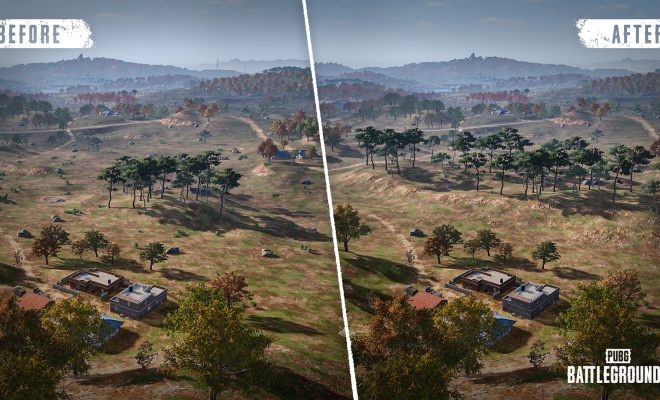
Erangel, the original PUBG map, set the standard for what players would come to expect from a battle royale playground. This 8×8 km island features a mix of urban areas, rural landscapes, and military installations. Iconic locations like the School, Pochinki, and the Military Base quickly became hotspots for intense early-game battles. Erangel’s design encouraged a variety of playstyles, from aggressive urban combat to long-range sniper duels across its open fields.

Miramar, the second map introduced to PUBG, brought players to a vast desert landscape. Also 8×8 km in size, Miramar’s terrain is notably different from Erangel, with more elevation changes and less vegetation for cover. This map emphasized long-range combat and vehicle use, with its sprawling cities and compounds offering intense close-quarters battles as well.

Sanhok marked a significant departure from the previous maps. At just 4×4 km, it’s much smaller, leading to faster-paced games with more frequent encounters. The dense jungle environment and numerous compounds create a very different gameplay experience, favoring close to mid-range engagements.

Vikendi, a 6×6 km snow map, introduced new mechanics like footprints in the snow and unique vehicles like the snowmobile. Its mix of open snowy fields and dense urban areas created a balanced environment for various playstyles.

Karakin, another 2×2 km map, brought destructible environments and underground tunnels to PUBG. This tiny map creates intense, fast-paced matches with a focus on close-quarters combat.

Paramo, a 3×3 km map set in the highlands of South America, introduced dynamic map elements. The terrain changes between matches, with different compound locations and lava flows, adding an element of unpredictability to each game.

Haven, the smallest map at 1×1 km, is unique in that it only supports 32 players and introduces AI-controlled enemies. This urban warfare map offers a different take on the battle royale formula, with a heavy emphasis on close-quarters combat.

Taego, returning to the 8×8 km size, is set in South Korea and introduces several new mechanics. These include the ability to self-revive, a second-chance system called “Comeback BR,” and exclusive new weapons and vehicles.

Each new map has not only brought visual variety but has also introduced new gameplay mechanics and strategies. For example, Miramar’s vast open spaces encouraged the use of long-range weapons and vehicles, while Sanhok’s dense jungle promoted more aggressive, close-quarters playstyles.

The developers have also shown a commitment to updating and refining existing maps. Erangel 2.0, for instance, was a major overhaul of the original map, improving graphics and adjusting layouts to enhance gameplay.

The diversity of maps has had a significant impact on PUBG’s competitive scene. Professional players and teams must be adaptable, as different maps favor different strategies and weapon loadouts. This variety adds depth to the competitive meta and keeps tournaments exciting for spectators.

Moreover, the constant addition of new maps and refinement of existing ones demonstrates PUBG Corporation’s commitment to keeping the game fresh and engaging. Each new map release is typically accompanied by a wave of returning players eager to explore the new terrain.

In conclusion, the evolution of PUBG’s maps has been a crucial factor in the game’s enduring popularity. From the classic battlegrounds of Erangel to the dynamic landscapes of newer maps like Taego, each addition has brought new challenges and strategies for players to master. As PUBG continues to grow and evolve, players can likely look forward to even more diverse and exciting battlegrounds in the future.

Previous Article

PUBG Gameplay Mechanics: Mastering the Battleground

Next Article

PUBG’s Impact on Esports: Redefining Competitive Gaming

Matthew Lynch

Related articles More from author

  • Gaming

    10 Best Deck-Building Board Games For Strategy Fans

    March 23, 2024
    By Matthew Lynch
  • Gaming

    The Best Controllers for Call of Duty in 2024

    March 5, 2024
    By Matthew Lynch
  • Gaming

    Strategy Video Games-Civilization VI

    December 5, 2024
    By Matthew Lynch
  • Gaming

    The Evolution of The Elder Scrolls Series

    December 4, 2024
    By Matthew Lynch
  • Gaming

    Starfield: Xbox Game Pass, Mods and Everything Else You Should Know

    February 3, 2024
    By Matthew Lynch
  • Gaming

    Adventure Video Games: A Comprehensive Guide on Portal 2

    December 5, 2024
    By Matthew Lynch

Search

Login & Registration

  • Log in
  • Entries feed
  • Comments feed
  • WordPress.org

Newsletter

Signup for The Tech Edvocate Newsletter and have the latest in EdTech news and opinion delivered to your email address!

About Us

Since technology is not going anywhere and does more good than harm, adapting is the best course of action. That is where The Tech Edvocate comes in. We plan to cover the PreK-12 and Higher Education EdTech sectors and provide our readers with the latest news and opinion on the subject. From time to time, I will invite other voices to weigh in on important issues in EdTech. We hope to provide a well-rounded, multi-faceted look at the past, present, the future of EdTech in the US and internationally.

We started this journey back in June 2016, and we plan to continue it for many more years to come. I hope that you will join us in this discussion of the past, present and future of EdTech and lend your own insight to the issues that are discussed.

Newsletter

Signup for The Tech Edvocate Newsletter and have the latest in EdTech news and opinion delivered to your email address!

Contact Us

The Tech Edvocate
910 Goddin Street
Richmond, VA 23231
(601) 630-5238
[email protected]

Copyright © 2026 Matthew Lynch. All rights reserved.