The Ecology of Monster Hunter: Designing Believable Beasts
Introduction
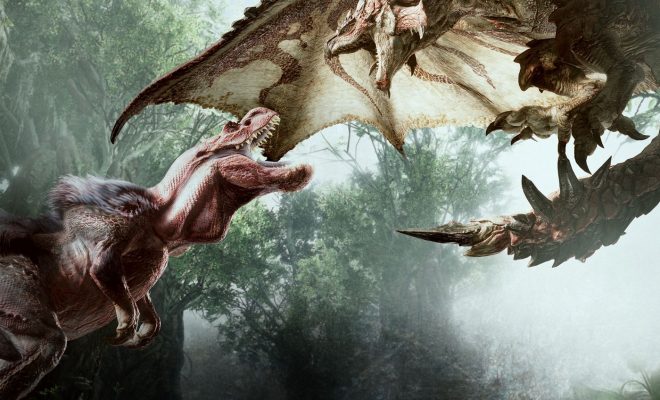
One of the most captivating aspects of the Monster Hunter series is its rich, diverse ecosystem of fantastical creatures. From the fire-breathing Rathalos to the electrically charged Zinogre, each monster in the game is not just a boss to be defeated, but a living, breathing part of a larger world. This article explores the intricate process of monster design in the series, examining how Capcom creates believable beasts that capture the imagination of players worldwide.
Foundations in Reality
While the monsters in Monster Hunter are undoubtedly fantastical, they are grounded in real-world biology and animal behavior. The designers at Capcom often start with familiar animals or dinosaurs as a base, then add unique twists to create something both familiar and alien. For example:
- Rathalos: Often described as the mascot of the series, this wyvern combines elements of dragons with the hunting behavior of birds of prey.
- Zinogre: This thunder wolf draws inspiration from wolves and big cats, with the added element of electricity generation.
- Khezu: This cave-dwelling wyvern takes cues from cave-dwelling animals and deep-sea creatures, resulting in its pale, eyeless appearance.
By starting with recognizable elements, the designers create monsters that feel plausible within their fantasy setting.
Ecological Niches and Behaviors
Each monster in the series is designed to fill a specific ecological niche within the game world. This approach goes beyond mere aesthetics, influencing how the monster behaves, what it eats, and how it interacts with its environment and other creatures. For instance:
- Barroth: This mud-covered brute wyvern is adapted to desert environments, using mud to cool itself and as a defensive mechanism.
- Lagiacrus: As a leviathan, this monster’s design reflects its mastery of both land and sea, with a streamlined body for swimming and electrical abilities for hunting in water.
- Nergigante: This elder dragon’s design revolves around its rapid regeneration and aggressive nature, reflected in its spiky appearance and relentless attacks.
These ecological considerations not only make the monsters more believable but also inform their behavior during hunts, creating more engaging and realistic encounters.
Visual Design and Silhouettes
The visual design of monsters in the series is crucial, not just for aesthetic appeal but for gameplay purposes. Each monster needs to have a distinct silhouette and recognizable features that players can quickly identify, even in the heat of battle. This design philosophy extends to the monsters’ weak points, breakable parts, and tell-tale signs for different attacks.
Color plays a significant role in monster design as well. Many monsters have color schemes that reflect their elemental affinities or habitats. For example, the icy blue of Velkhana or the camouflage patterns of Chameleos.
Animation and Behavior
Bringing these designs to life requires intricate animation work. The Monster Hunter team puts considerable effort into making each creature move believably, whether it’s the lumbering gait of a Gravios or the agile leaps of a Nargacuga. These animations not only make the monsters feel alive but also serve as important visual cues for players during hunts.
Behavioral patterns are equally important. Each monster has a unique set of behaviors that reflect its nature and role in the ecosystem. These behaviors extend beyond combat to include feeding habits, territorial displays, and even interactions with other monsters.
Soundscape of Monsters
Audio design plays a crucial role in bringing monsters to life. Each creature has a unique set of vocalizations that convey its nature and emotional state. The thunderous roar of a Tigrex, the eerie screech of a Khezu, or the majestic cry of a Kushala Daora all contribute to the monster’s character and the atmosphere of the hunt.
Evolution Across Games
As the series has progressed, so too has the complexity and detail of monster designs. Technological advancements have allowed for more intricate models, more realistic textures, and more complex behaviors. Compare the Rathalos from the original Monster Hunter to its incarnation in Monster Hunter: World, and you’ll see not just graphical improvements, but a more nuanced and lifelike creature.
Environmental Interaction
Recent entries in the series have placed greater emphasis on how monsters interact with their environment. This includes monsters using the terrain to their advantage during fights, environmental hazards that can affect both hunter and monster, and even turf wars between different monster species.
Conclusion
The ecology of Monster Hunter, centered around its imaginative and well-designed beasts, is a testament to the creativity and attention to detail of the development team. By combining elements of real-world biology with fantasy, creating distinct ecological niches, and focusing on believable behaviors and interactions, Capcom has created a world that feels alive and dynamic. This approach not only makes for more engaging gameplay but also fosters a sense of wonder and respect for the creatures players hunt. As the series continues to evolve, we can expect even more impressive and intricate monster designs, further enriching the already vibrant world of Monster Hunter.