
How to Use a Centrifuge: 14 Steps
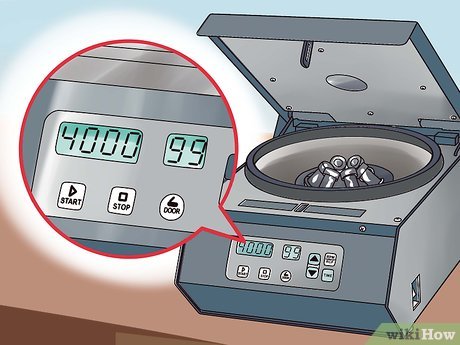
A centrifuge is a laboratory instrument used to separate components of a sample based on their size, shape, and density. By spinning tubes at high speeds, centrifugation allows scientists and researchers to isolate particles or separate components in a solution. Here’s how to use a centrifuge in 14 steps:
1. Familiarize yourself with the centrifuge manual: It’s crucial to understand how your specific model functions along with its safety procedures and guidelines.
2. Wear appropriate safety gear: Put on gloves, goggles and a lab coat before using the centrifuge.
3. Choose the appropriate rotor for your task: Depending on the sample volume, size and desired outcome, select a fixed angle or swinging bucket rotor.
4. Check the condition of the rotor: Inspect for any signs of damage or wear that may affect its performance.
5. Balance the samples: Weigh each sample tube using an analytical balance and make sure all tubes are of equal mass.
6. Load the tubes into the rotor symmetrically: Place the tubes in opposing positions in the rotor to evenly distribute their weight while spinning.
7. Ensure that everything is secure before proceeding: Check if the lids are tightly sealed and ensure that all components are properly installed onto the centrifuge.
8. Close the centrifuge lid firmly: Ensure that it locks securely; some models have an automatic lock once it starts spinning.
9. Set the speed, time, and temperature (if applicable): Carefully input your desired settings according to your experiment as different samples require specific conditions.
10. Start the centrifugation process: Hold down the start button until you hear or see acknowledgment from the machine.
11. Monitor progress and noise levels during operation: Look out for any unusual sounds or vibrations that may indicate an imbalance or malfunction.
12. Wait for the spinning to stop before opening: Once completed, let the rotor come to a complete stop by itself. Do not manually force it to stop.
13. Carefully remove the sample tubes: Be mindful of their balance and handle them cautiously to avoid agitation.
14. Clean up and switch off: Wipe down the equipment, dispose of used tubes appropriately, and switch off the centrifuge.
By following these steps, you can effectively use a centrifuge for various scientific applications. It’s crucial to always adhere to safety guidelines to ensure a successful and safe experience.

