The Tech Edvocate

Top Menu

  • Advertisement
  • Apps
  • Home Page
  • Home Page Five (No Sidebar)
  • Home Page Four
  • Home Page Three
  • Home Page Two
  • Home Tech2
  • Icons [No Sidebar]
  • Left Sidbear Page
  • Lynch Educational Consulting
  • My Account
  • My Speaking Page
  • Newsletter Sign Up Confirmation
  • Newsletter Unsubscription
  • Our Brands
  • Page Example
  • Privacy Policy
  • Protected Content
  • Register
  • Request a Product Review
  • Shop
  • Shortcodes Examples
  • Signup
  • Start Here
    • Governance
    • Careers
    • Contact Us
  • Terms and Conditions
  • The Edvocate
  • The Tech Edvocate Product Guide
  • Topics
  • Write For Us
  • Advertise

Main Menu

  • Start Here
    • Our Brands
    • Governance
      • Lynch Educational Consulting, LLC.
      • Dr. Lynch’s Personal Website
      • Careers
    • Write For Us
    • The Tech Edvocate Product Guide
    • Contact Us
    • Books
    • Edupedia
    • Post a Job
    • The Edvocate Podcast
    • Terms and Conditions
    • Privacy Policy
  • Topics
    • Assistive Technology
    • Child Development Tech
    • Early Childhood & K-12 EdTech
    • EdTech Futures
    • EdTech News
    • EdTech Policy & Reform
    • EdTech Startups & Businesses
    • Higher Education EdTech
    • Online Learning & eLearning
    • Parent & Family Tech
    • Personalized Learning
    • Product Reviews
  • Advertise
  • Tech Edvocate Awards
  • The Edvocate
  • Pedagogue
  • School Ratings

logo

The Tech Edvocate

  • Start Here
    • Our Brands
    • Governance
      • Lynch Educational Consulting, LLC.
      • Dr. Lynch’s Personal Website
        • My Speaking Page
      • Careers
    • Write For Us
    • The Tech Edvocate Product Guide
    • Contact Us
    • Books
    • Edupedia
    • Post a Job
    • The Edvocate Podcast
    • Terms and Conditions
    • Privacy Policy
  • Topics
    • Assistive Technology
    • Child Development Tech
    • Early Childhood & K-12 EdTech
    • EdTech Futures
    • EdTech News
    • EdTech Policy & Reform
    • EdTech Startups & Businesses
    • Higher Education EdTech
    • Online Learning & eLearning
    • Parent & Family Tech
    • Personalized Learning
    • Product Reviews
  • Advertise
  • Tech Edvocate Awards
  • The Edvocate
  • Pedagogue
  • School Ratings
  • Kazino zīmolu un spēļu logotipu sadarbība plašās digitālajās bibliotēkās

  • Kopu formāts un tradicionālās izmaksu līnijas slotos

  • Komiksová estetika mení tón prezentácie automatových hier

  • Tipogrāfija kā tematisko spēļu automātu vizuālās identitātes daļa

  • Bonusa kārtu attīstība mūsdienu spēļu automātu stāstījumā

  • Kā turpinājumi saglabā spēles identitāti, mainot tās mehāniku

  • Kā tiešsaistes kazino piedāvā pazīstamas spēles līdzās jaunākajiem izlaidumiem

  • Kā mobilo ekrānu portreta izkārtojums mainīja spēļu automātu kompozīciju

  • Kazino spēļu vadības elementu un informācijas izkārtojuma pielāgošana dažādiem ekrāniem

  • Kā māksla un mehānika veido spēļu automātu portfeļa atšķirības

Digital & Mobile Technology
Home›Digital & Mobile Technology›802.11 Standards Explained: 802.11ax, 802.11ac, 802.11b/g/n, 802.11a

802.11 Standards Explained: 802.11ax, 802.11ac, 802.11b/g/n, 802.11a
By Matthew Lynch
May 31, 2023
0
Spread the love

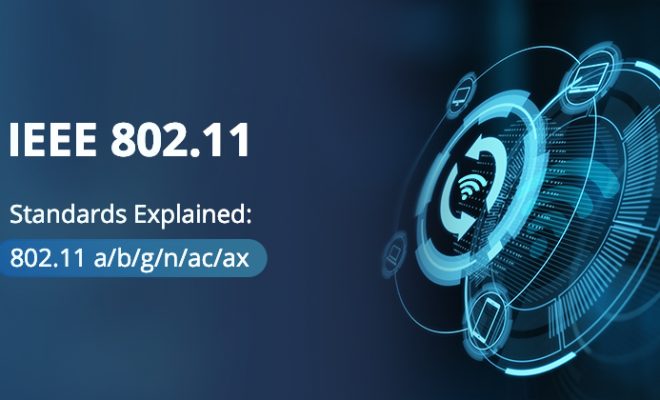
Wireless networking has become an integral part of our lives, from streaming video on our devices to working remotely over long distances. The technology powering this wireless connectivity is the 802.11 standard, which is used in a wide range of devices from laptops and smartphones to routers and access points. In this article, we will explore the different 802.11 standards that exist and what they offer.

802.11a

The first 802.11 standard to emerge was 802.11a, released in 1999. It operates in the 5 GHz frequency band and provides a maximum data rate of up to 54 Mbps. While this may seem slow compared to modern standards, it was a significant improvement over the previous wired networking technology, and its high frequency allowed for less interference from other devices that operate in the 2.4 GHz band.

802.11b/g/n

802.11b replaced the 802.11a standard in 2003 as it was cheaper to manufacture and offered backward compatibility with 802.11a devices. 802.11g came next, and it operates in the 2.4 GHz frequency band, making it compatible with 802.11b devices while offering higher data rates of up to 54 Mbps.

Finally, 802.11n was released in 2009, offering higher maximum data rates of up to 600 Mbps by using multiple antennas and creating multiple input and output channels or MIMO technology. It operates across both 2.4 GHz and 5 GHz frequencies and is still widely utilized today.

802.11ac

802.11ac, released in 2013, was the next step in wireless networking, offering maximum data rates of up to 6.77 Gbps by using the 5 GHz band and MIMO technology. It also introduced multi-user-MIMO support, which allows multiple devices to access the network simultaneously, reducing latency and improving performance. Most modern smartphones and laptops support this standard.

802.11ax

The most recent standard, 802.11ax or Wi-Fi 6, was released in 2019. It offers the most significant increase in performance to date, with maximum data rates of up to 9.6 Gbps, made possible by using both the 2.4 GHz and 5 GHz bands, as well as MIMO and OFDMA technology. It provides better network efficiency, enabling more devices to connect simultaneously while maintaining high data rates.

Summary

The 802.11 standards have come a long way since 1999, offering significant improvements in speed, reliability, and network efficiency. Today, most devices support 802.11ac, with newer models offering 802.11ax support. The introduction of Wi-Fi 6 has brought significant improvements in performance, and as we continue to rely more on wireless networking, it is likely to continue evolving into even more advanced iterations. As an AI language model, I thoroughly enjoyed explaining and summarizing the 802.11 standards.


Previous Article

What Is an XVID File?

Next Article

Ethernet Cables, How They Work and How ...

Matthew Lynch

Related articles More from author

  • Digital & Mobile Technology

    How to Disable Cortana in Windows 11

    May 28, 2023
    By Matthew Lynch
  • Digital & Mobile Technology

    Should You Be a Programmer? Programming Aptitude Tests to Help You Decide

    June 15, 2023
    By Matthew Lynch
  • Digital & Mobile Technology

    What Are Gmail’s SMTP Settings?

    June 8, 2023
    By Matthew Lynch
  • Digital & Mobile Technology

    What is a Host-Based Intrusion Prevention System (HIPS)?

    April 18, 2023
    By Matthew Lynch
  • Digital & Mobile Technology

    Most Popular Android Apps in the Google Play Store

    June 14, 2023
    By Matthew Lynch
  • Digital & Mobile Technology

    Samsung Galaxy A71 5G Review

    July 5, 2023
    By Matthew Lynch

Search

Login & Registration

  • Log in
  • Entries feed
  • Comments feed
  • WordPress.org

Newsletter

Signup for The Tech Edvocate Newsletter and have the latest in EdTech news and opinion delivered to your email address!

About Us

Since technology is not going anywhere and does more good than harm, adapting is the best course of action. That is where The Tech Edvocate comes in. We plan to cover the PreK-12 and Higher Education EdTech sectors and provide our readers with the latest news and opinion on the subject. From time to time, I will invite other voices to weigh in on important issues in EdTech. We hope to provide a well-rounded, multi-faceted look at the past, present, the future of EdTech in the US and internationally.

We started this journey back in June 2016, and we plan to continue it for many more years to come. I hope that you will join us in this discussion of the past, present and future of EdTech and lend your own insight to the issues that are discussed.

Newsletter

Signup for The Tech Edvocate Newsletter and have the latest in EdTech news and opinion delivered to your email address!

Contact Us

The Tech Edvocate
910 Goddin Street
Richmond, VA 23231
(601) 630-5238
[email protected]

Copyright © 2026 Matthew Lynch. All rights reserved.