Ultra-Processed Foods & Heart Health: New 2026 Study Reveals Risks
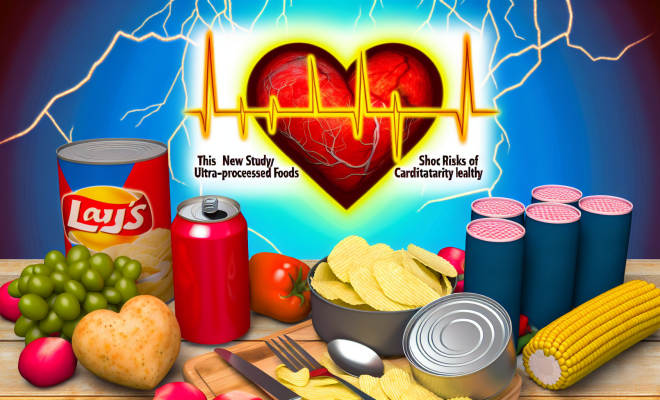
The recent surge in interest surrounding ultra-processed foods and cardiovascular health has reached fever pitch, thanks to groundbreaking research that has unveiled alarming correlations between diet and heart risks. A study published in the European Heart Journal on May 6, 2026, provides startling insights into the growing prevalence of ultra-processed foods (UPFs) in Western diets and their impacts on cardiovascular health.
The Research: A Deep Dive into the Data
Led by Dr. Elena Rossi at Imperial College London, this comprehensive study tracked over 115,000 participants for a decade, revealing that a staggering 60% of daily caloric intake in Western diets now comes from ultra-processed foods. This overwhelming presence of UPFs is linked to a 32% increase in the risk of serious cardiovascular events, such as heart attacks and strokes. The implications of these findings are immense, revealing how deeply embedded these foods have become in our everyday lives.
What Are Ultra-Processed Foods?
Ultra-processed foods are typically defined as industrial formulations made entirely or mostly from substances derived from foods and additives that are not typically found in the kitchen. These often include ingredients like sugar, oils, fats, starch, and preservatives. Common examples include:
- Snack foods (chips, cookies)
- Soft drinks and energy drinks
- Processed meats (hot dogs, deli meats)
- Pre-packaged meals and frozen dinners
- Breakfast cereals
- Protein bars labeled as ‘healthy’
Surprisingly, even foods that are marketed as healthy, such as protein bars, have been shown to contribute to the cardiovascular risks associated with UPFs. This revelation has sparked intense discussions among health influencers and consumers alike regarding food labeling practices and their implications for public health.
Impact on Metabolic Health
One of the critical findings from Dr. Rossi’s team is how ultra-processed foods disrupt metabolic health. The additives, preservatives, and artificial ingredients in these foods can lead to adverse health outcomes, including:
- Increased inflammation
- Insulin resistance
- Altered gut microbiota
- Weight gain and obesity
These health complications are closely linked to the development of cardiovascular diseases, creating a dangerous cycle that is difficult to break.
Why Lifestyle Changes Are Essential
The study emphasizes the urgent need for individuals and health professionals alike to pivot towards whole foods and minimize the consumption of ultra-processed options. Incorporating more fruits, vegetables, whole grains, and lean proteins into one’s diet can significantly enhance metabolic health and reduce cardiovascular risk.
Here are some practical lifestyle shifts to consider:
- Choose whole foods over processed options – prioritize fresh produce, legumes, and whole grains.
- Prepare meals at home to control ingredients and avoid hidden additives.
- Read labels carefully, looking out for hidden sugars and preservatives.
- Educate yourself on the effects of ultra-processed foods on health.
Understanding these lifestyle modifications is vital for anyone looking to improve their cardiovascular health and overall well-being.
The Viral Response: Social Media and Public Awareness
The release of this study has ignited a media frenzy, particularly on platforms like TikTok, where discussions about ultra-processed foods and cardiovascular health have gone viral. With over 2 million views in just 24 hours, users are sharing emotional stories of personal transformations fueled by the knowledge of UPFs’ impacts. This trend has led to a 150% increase in Google searches for terms like ‘ultra-processed foods heart risk.’
Impact on Health Trends
This research comes at a time when many are seeking healthier lifestyles, particularly in light of ongoing weight-loss trends associated with GLP-1 medications. As people become increasingly aware of the potential dangers associated with ultra-processed foods, there is a growing desire to find effective ways to improve health and reduce the risk of cardiovascular diseases.
Challenges of Food Labeling
The revelations from Dr. Rossi’s study have also brought to light significant challenges in food labeling. Many products marketed as ‘healthy’ may not actually be beneficial for cardiovascular health. This disconnect raises critical questions about the effectiveness of current labeling regulations and the need for more transparent guidelines regarding food processing.
Consumers are urged to be vigilant, scrutinizing labels for:
- Added sugars and artificial ingredients
- High levels of sodium
- Unnecessary preservatives
Proactive efforts can help consumers make informed choices, ultimately leading to healthier eating habits.
Community and Policy Implications
The alarming findings from this study highlight the need for community-wide initiatives aimed at promoting whole foods and reducing the availability of ultra-processed options. Public health campaigns can play a pivotal role in educating individuals about the risks associated with UPFs and encouraging dietary shifts.
Moreover, policy changes could facilitate healthier food environments, such as:
- Taxation of sugary drinks and ultra-processed products
- Subsidies for fruits and vegetables
- Stricter regulations on food marketing, especially towards children
Such measures can significantly alter dietary patterns at the population level, improving cardiovascular health outcomes across communities.
The Future of Diet and Health
As the conversation around ultra-processed foods and cardiovascular health continues to expand, more research is needed to explore the long-term effects of these dietary choices. Collaboration between researchers, healthcare providers, and consumers will be essential in addressing the complexities of food choices and their health impacts.
This study by Dr. Rossi and her team serves as a wake-up call, urging society to reconsider not only what we eat but also how we define health. Moving towards whole foods could be the key to ensuring a healthier future, free from the risks associated with ultra-processed diets.
Conclusion: Embracing Whole Foods for Healthier Hearts
In light of the compelling evidence linking ultra-processed foods and cardiovascular health, it is clear that individuals must take proactive steps towards dietary changes. By embracing whole foods and being mindful of what we consume, we can significantly reduce the risk of heart disease and improve overall health.
The journey toward better cardiovascular health begins with informed choices—every meal is an opportunity to prioritize nutritional value and promote well-being.