Kia e-Niro Fire Risk: The One Recall That Could Change EV Insurance Forever
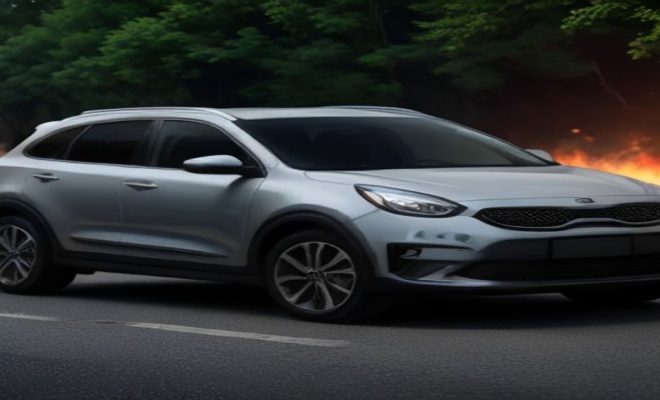
Imagine this: you’ve made the leap to an electric vehicle, embracing the future of driving, only to find out your eco-friendly chariot might spontaneously combust. That’s the unsettling reality facing thousands of Kia e-Niro owners right now. Kia has just launched a significant global recall for 14,117 first-generation e-Niro EVs, a move that’s sending ripples not just through the automotive industry, but directly into your wallet, especially if you’re an EV owner or considering becoming one. This isn’t just a minor fix; it’s about a faulty battery management system that could lead to a fire, whether you’re cruising down the highway, parked in your driveway, or even charging up. The announcement, made on August 9, 2026, couldn’t come at a more financially sensitive time for drivers, setting the stage for some serious questions about EV safety and the spiraling cost of car ownership.
The Heart of the Matter: Why 14,117 Kia e-Niros Are Being Recalled
At the core of this widespread concern is a critical flaw within the battery management system (BMS) of the first-generation Kia e-Niro. For those unfamiliar, the BMS is essentially the brain of an EV’s battery pack. It monitors everything: temperature, voltage, current flow, and the overall health of individual battery cells. Its job is to ensure the battery operates within safe parameters, optimizing performance and, crucially, preventing catastrophic failures like thermal runaway – the precursor to a battery fire. There’s a fuller look at massive recall details.
In the case of these specific e-Niro models, something isn’t quite right with that brain. While the exact technical breakdown hasn’t been fully detailed by Kia in public announcements, the implication is clear: the BMS isn’t accurately detecting or responding to conditions that could lead to overheating or cell damage. This could be due to a software glitch, a faulty sensor, or even a manufacturing defect in the BMS hardware itself. Whatever the root cause, the consequence is severe: an elevated risk of fire. What makes this particular Kia e-Niro recall so alarming is the potential for these fires to ignite at any time – while the vehicle is in operation, parked and unoccupied, or even plugged in and charging. This unpredictability is what truly heightens the danger and the anxiety for owners.
Beyond the Recall: The Broader Context of Rising Car Insurance Rates in 2026
This Kia e-Niro recall isn’t happening in a vacuum. It’s unfolding against a backdrop of already turbulent times for car owners, particularly when it comes to insurance. If you’ve opened your insurance renewal notice lately, you’ve probably noticed a significant jump in premiums. We’re talking about a trend that’s been building throughout 2026, making car insurance a major pain point for households across the board. Several interconnected factors are fueling this surge, creating a perfect storm that’s hitting drivers where it hurts most: their wallets.
First up is inflation, that ever-present economic shadow. The cost of everything has gone up, and car repair parts and labor are no exception. But it’s more than just general inflation; modern vehicles, especially EVs, are packed with sophisticated technology. Think about the array of sensors, cameras, radar units, and complex electronic control units that govern everything from advanced driver-assistance systems (ADAS) to infotainment. A fender bender that once required a simple panel replacement might now involve recalibrating multiple sensors, replacing expensive radar units embedded in bumpers, or even specialized diagnostics for intricate wiring harnesses. These repairs demand highly skilled technicians and costly, specialized equipment, driving up the average cost of claims dramatically.
Then there’s the concerning rise in severe auto accidents. While the reasons are multifaceted – from distracted driving to increased traffic volume post-pandemic – the outcome is undeniable: more frequent and more costly claims. Insurers operate on risk assessment. When the cost and frequency of payouts go up, so do premiums. For EV owners, this particular Kia e-Niro recall adds yet another layer of risk to an already complex equation, potentially making electric vehicle insurance even more expensive. It’s a tough pill to swallow when you’ve invested in a cutting-edge vehicle, only to face escalating running costs from unexpected corners.
Why EV Battery Fires Are a Unique Concern
When we talk about car fires, most people immediately think of gasoline vehicles. We’ve all seen the dramatic news footage. However, EV battery fires present a distinct set of challenges and concerns that differentiate them significantly from their internal combustion engine (ICE) counterparts. This is precisely why a Kia e-Niro recall involving fire risk is so impactful. (See: vehicle recalls and safety information.)
The primary issue with EV battery fires stems from what’s known as thermal runaway. This is a chain reaction within a battery cell where an increase in temperature causes further temperature increase, leading to a catastrophic and self-sustaining heating event. Once one cell goes into thermal runaway, it can quickly spread to adjacent cells, causing the entire battery pack to ignite or explode. The chemical composition of lithium-ion batteries means these fires burn incredibly hot and are notoriously difficult to extinguish. Traditional water-based fire suppression methods are often insufficient because the fire is internal to the battery cells and can re-ignite hours or even days later if not properly cooled and monitored.
Moreover, the smoke and fumes produced by burning EV batteries are highly toxic, containing various hazardous chemicals. This poses significant risks not only to vehicle occupants but also to first responders. The sheer energy density packed into an EV battery also means that an uncontrolled fire can be incredibly destructive, often leading to the complete write-off of the vehicle and potential damage to surrounding property. These unique characteristics mean that insurers view EV fire risks through a different, and often more cautious, lens, which naturally translates into higher premiums, especially following high-profile incidents like the Kia e-Niro recall.
The Financial Burden on Kia e-Niro Owners
For the owners of those 14,117 first-generation Kia e-Niro vehicles, this recall isn’t just about the inconvenience of taking their car to the dealership. It’s a multi-layered financial and emotional burden. First, there’s the immediate stress of owning a vehicle with a known fire risk. Can you truly feel safe driving your family around, or even parking it in your garage, knowing there’s a potential for spontaneous combustion? This psychological toll is significant.
Then comes the practical impact. Owners will need to arrange for the recall repair. While Kia will cover the cost of the repair itself, there’s the time commitment – scheduling the appointment, taking time off work, arranging alternative transportation. For many, a car isn’t just a convenience; it’s a vital tool for work, childcare, and daily life. Any disruption translates into lost productivity or unexpected expenses.
But the longer-term financial implications are perhaps even more concerning. A major recall, especially one involving fire risk, can significantly impact the resale value of a vehicle. Even after the fix, potential buyers might be wary, leading to lower offers. Furthermore, given the broader trend of increasing insurance rates, this specific Kia e-Niro recall could prompt insurers to reassess risk profiles for this model, potentially leading to even higher premiums for these specific VINs. It’s a tough situation, forcing owners to grapple with both safety concerns and depreciating assets.
The Intersection of Recalls and Insurance Premiums: A Vicious Cycle
This whole situation creates a rather nasty feedback loop. When a manufacturer issues a recall for a safety-critical component, especially one like a battery management system that can lead to fires, insurance companies pay very close attention. Their business model is built on assessing and pricing risk. A significant Kia e-Niro recall directly impacts their risk calculations. We covered cheap insurance insights in more detail.
Here’s how it works: When an insurer underwrites a policy, they consider the likelihood of a claim and the potential cost of that claim. A recall for fire risk clearly increases both. Even if a vehicle has been repaired, the initial recall signals a potential design or manufacturing flaw that might indicate other, yet-to-be-discovered issues, or perhaps even a less-than-perfect fix. This perceived elevated risk can lead to several outcomes from the insurance perspective. They might increase premiums for affected models, or even for the entire brand’s EV lineup, as a way to offset the increased potential for expensive claims. In extreme cases, they might even become more reluctant to offer coverage, or impose stricter conditions. This isn’t just speculation; it’s how the actuarial tables work. The more data points indicating higher risk, the higher the cost of transferring that risk to an insurer. This particular Kia e-Niro recall serves as a stark reminder of how interconnected vehicle safety, manufacturing quality, and personal finance truly are. (See: battery safety and fire risks.)
Legal Avenues for Affected Owners: Lemon Laws and Product Liability
When a vehicle, especially a new or relatively new one, is subject to a significant recall like this Kia e-Niro recall, owners aren’t without recourse. Beyond simply getting the repair done, there are legal avenues that might be available, particularly under what are commonly known as ‘lemon laws’ and product liability statutes. These laws are designed to protect consumers who purchase defective products.
Lemon laws vary by state or region, but generally, they apply to new vehicles that have substantial defects that impair their use, value, or safety, and which cannot be repaired after a reasonable number of attempts (typically three or four), or if the vehicle has been out of service for an extended period (e.g., 30 days or more) due to repairs. A defect posing a fire risk, as in this Kia e-Niro recall, certainly falls into the category of substantially impairing safety. If an owner goes through the recall repair process, and the issue reoccurs, or if they experience significant, recurring problems related to the battery system that aren’t resolved, they might have a claim for a vehicle replacement or a buyback from the manufacturer.
Product liability claims are broader and don’t necessarily require the vehicle to be new. These claims focus on holding manufacturers responsible for injuries or damages caused by defective products. If a Kia e-Niro were to catch fire due to this known defect, and that fire caused property damage, injuries, or even fatalities, affected individuals could pursue a product liability lawsuit against Kia. Such cases often involve proving that the product had a design defect, a manufacturing defect, or a failure to warn consumers about a known danger. Both lemon law and product liability claims can be complex, often requiring the expertise of legal professionals specializing in consumer protection and automotive defects. It’s crucial for affected owners to document everything: repair attempts, communications with the dealership and manufacturer, and any financial losses incurred.
What This Means for Prospective EV Buyers
If you’ve been on the fence about buying an electric vehicle, this Kia e-Niro recall might give you pause. It certainly adds another layer to the decision-making process. While the benefits of EVs are compelling – lower running costs (fueling, maintenance), environmental advantages, and often superior driving dynamics – incidents like this highlight that the technology, while advanced, isn’t immune to issues. For prospective buyers, this recall underscores a few key considerations:
- Research Recalls Thoroughly: Before purchasing any vehicle, new or used, always check its recall history. Websites like the NHTSA in the US, or equivalent bodies in other regions, maintain databases of recalls. Understanding a vehicle’s recall track record can give you insight into potential reliability issues.
- Consider Manufacturer Reputation: While no manufacturer is perfect, some have a stronger track record for addressing issues proactively and transparently. How Kia handles this specific e-Niro recall will be closely watched and will undoubtedly influence consumer confidence.
- Factor in Insurance Costs: With car insurance rates already on the rise, and EV-specific risks becoming more apparent, it’s more critical than ever to get insurance quotes *before* you commit to an EV purchase. Don’t assume your EV insurance will be cheaper just because you’re saving on gas; the repair costs and specific risks can often offset those savings.
- Understand Battery Warranties: All EVs come with substantial battery warranties, typically 8 years or 100,000 miles. Understand what these warranties cover, particularly regarding degradation and safety-related defects.
The bottom line is that while EVs are the future, it’s a future that still has some kinks to work out. Informed decision-making is paramount, and a major recall like this one serves as a powerful reminder to do your homework.
The Path Forward for Kia and the EV Industry
For Kia, the immediate priority is to execute this Kia e-Niro recall swiftly and effectively, ensuring every affected vehicle receives the necessary repair. Transparency and clear communication with owners will be key to rebuilding trust. Beyond the immediate fix, this incident will undoubtedly trigger a deeper internal review of their battery management system design, manufacturing processes, and quality control protocols for all their EV models. The reputation of an entire brand can hinge on how it responds to safety-critical issues. (See: battery management systems in electric vehicles.) (skyrocketing homeowners rates)
For the broader EV industry, this recall is a potent reminder of the ongoing challenges in scaling complex new technologies. While lithium-ion battery technology has come a long way, ensuring absolute safety and reliability across millions of vehicles is a monumental task. This incident will likely spur further advancements in battery safety technologies, more rigorous testing protocols, and perhaps even new industry standards for battery management systems. It also highlights the need for continued investment in infrastructure, not just charging stations, but also in training for first responders to safely handle EV incidents.
Ultimately, the goal is to instill confidence in consumers. Electric vehicles offer incredible potential, but that potential can only be fully realized if drivers feel completely safe and secure behind the wheel, free from the worry of unforeseen risks or exorbitant costs. This Kia e-Niro recall is more than just a repair notice; it’s a catalyst for change, pushing the industry to refine and strengthen the very foundations of electric mobility.
Navigating the New Reality: Practical Advice for EV Owners
If you own an EV, particularly one of the affected Kia e-Niro models, or even if you’re just generally concerned about rising costs and potential issues, here’s some actionable advice:
- Check Your VIN: If you own a first-generation Kia e-Niro, immediately check your Vehicle Identification Number (VIN) against Kia’s recall database or contact your local dealership to confirm if your vehicle is part of the recall. Don’t wait for a letter; be proactive.
- Schedule the Repair Promptly: Once confirmed, schedule the recall repair as soon as possible. Your safety, and the safety of those around you, depends on it.
- Review Your Insurance Policy: This is an excellent time to thoroughly review your current auto insurance policy. Understand your coverage, deductibles, and any specific clauses related to EV battery damage or fire. Consider getting comparative quotes from different providers; the market is competitive, and you might find better rates or more comprehensive coverage elsewhere.
- Document Everything: Keep meticulous records of all communications with Kia, the dealership, and your insurance company regarding the recall. Save receipts for any related expenses, such as rental cars, if applicable. This documentation could be crucial if you need to pursue further action.
- Stay Informed: Keep an eye on automotive news and official announcements from manufacturers and regulatory bodies. The EV landscape is evolving rapidly, and staying informed will help you make the best decisions for your vehicle and your finances.
The automotive world is undergoing a seismic shift towards electrification, and with that shift comes new challenges and learning curves. The Kia e-Niro recall serves as a powerful reminder that while the future is electric, it’s not without its bumps in the road. Being prepared, informed, and proactive is the best way to navigate these exciting, yet sometimes uncertain, times.
Trending Now
Frequently Asked Questions
What is the Kia e-Niro recall about?
The Kia e-Niro recall involves 14,117 first-generation electric vehicles due to a critical flaw in the battery management system (BMS). This defect could lead to overheating and potential fires, prompting Kia to take action to ensure the safety of its customers.
Why is the Kia e-Niro fire risk significant for EV owners?
The fire risk associated with the Kia e-Niro is significant because it raises concerns about the safety of electric vehicles. As more consumers consider switching to EVs, incidents like these could impact insurance rates and overall public perception of electric vehicle safety.
How does the battery management system (BMS) work in the Kia e-Niro?
The battery management system (BMS) in the Kia e-Niro monitors temperature, voltage, and current flow within the battery pack. It ensures the battery operates safely and efficiently, preventing issues like thermal runaway, which can lead to fires.
What should Kia e-Niro owners do about the recall?
Kia e-Niro owners affected by the recall should contact their local Kia dealership for guidance. They will need to schedule a service appointment to have the battery management system inspected and repaired, ensuring their vehicle is safe to drive.
How will the Kia e-Niro recall affect EV insurance rates?
The Kia e-Niro recall could potentially affect EV insurance rates by increasing concerns over electric vehicle safety. Insurers may reassess risk levels for EVs, leading to changes in premiums, especially for models with known safety issues like the e-Niro.
Have you experienced this yourself? We'd love to hear your story in the comments.