Why Your Home Needs These 9 Groundbreaking Battery Storage Solutions by 2027
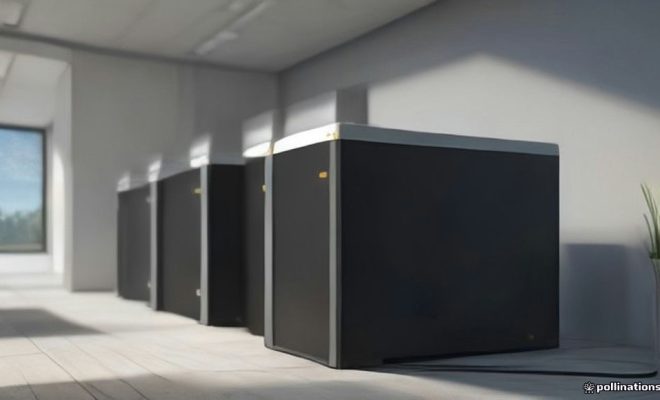
The energy landscape is shifting beneath our feet, and it’s happening faster than most people realize. With global initiatives like those highlighted at COP31, where billions are being poured into clean energy, grids, and — crucially — storage, homeowners are finding themselves at a pivotal moment. Major players like Canadian Solar’s e-STORAGE and X-ELIO are making massive commitments, deploying hundreds of megawatts of battery energy storage systems (BESS) across the U.S. and Australia, with projects like those in Texas and New South Wales slated for commercial operation in 2027 and 2028. This isn’t just about utility-scale projects; it’s a clear signal that reliable, resilient, and renewable energy is becoming the norm, not the exception. For us, the homeowners, this means unprecedented opportunities to take control of our energy futures. If you’re looking to integrate renewable energy solutions, particularly solar, into your home, understanding the best battery energy storage solutions for homeowners in 2027 is absolutely critical. Let’s dive into the top contenders that are set to redefine how we power our homes.
1. Tesla Powerwall 3: The Apex of Home Energy Integration
When you talk about home battery storage, Tesla Powerwall is often the first name that comes to mind, and for good reason. Its third iteration, the Powerwall 3, builds on a legacy of sleek design, robust performance, and seamless integration with Tesla’s solar ecosystem. Expected to be a dominant force in 2027, the Powerwall 3 isn’t just a battery; it’s an intelligent energy manager. It typically offers a significant amount of usable energy capacity, often ranging from 13.5 kWh to 20 kWh, depending on the specific model and configuration, with a continuous power output designed to handle most household loads.
What sets the Powerwall 3 apart is its integrated inverter, simplifying installation and potentially reducing overall system costs. This all-in-one solution means your solar panels can feed directly into the Powerwall, which then manages power distribution to your home, the grid, or even charges your electric vehicle. Its advanced software optimizes energy usage based on time-of-use rates, weather forecasts, and your personal energy consumption patterns, ensuring you’re always getting the most out of your solar generation and minimizing reliance on grid power during peak, expensive hours. For homeowners seeking a truly integrated, smart home energy solution, the Powerwall 3 will remain a top-tier choice.
2. Enphase IQ Battery 5P: Modular Power with Microinverter Prowess
Enphase has carved out a niche for itself with its microinverter technology, and their IQ Battery line brings that same modularity and reliability to home energy storage. The IQ Battery 5P, in particular, is designed to be a flexible and scalable solution, making it one of the best battery energy storage solutions for homeowners in 2027 who value customization and safety. Unlike monolithic battery units, Enphase batteries are composed of smaller, individual modules, each with its own microinverter. This design philosophy has several distinct advantages.
Firstly, it allows homeowners to start with a smaller capacity and expand as their energy needs grow or their budget allows, typically in 5 kWh increments. This modularity also enhances system resilience; if one module were to fail, the rest of the system would continue operating uninterrupted. Secondly, the AC-coupled nature of the IQ Battery means it can be easily retrofitted to existing solar systems, regardless of the inverter brand. Its advanced safety features, including rapid shutdown capabilities and a stable lithium iron phosphate (LFP) chemistry, give homeowners peace of mind. For those with Enphase solar systems, the integration is particularly seamless, offering a unified platform for monitoring and managing both solar generation and energy storage.
3. LG Chem RESU Prime Series: High Capacity, Proven Reliability
LG Chem, a long-standing giant in battery technology, offers its RESU (Residential Energy Storage Unit) Prime series as a powerful and reliable option for home energy storage. These batteries are known for their high energy density and robust performance, making them suitable for homes with significant energy demands. The RESU Prime series typically offers substantial capacities, with models like the RESU16H Prime and RESU10H Prime providing 16 kWh and 9.6 kWh respectively, and the ability to link two units for even greater storage. They utilize a high-voltage design, which can lead to higher efficiency when paired with compatible inverters.
LG Chem’s commitment to durability is evident in their warranty and the advanced battery management system (BMS) that monitors and optimizes cell performance, ensuring longevity and safety. Their batteries are compatible with a wide range of inverters from various manufacturers, offering flexibility for homeowners who might already have a solar system installed or prefer a particular inverter brand. For those prioritizing raw storage capacity and a product backed by a global leader in battery manufacturing, the LG Chem RESU Prime series stands out as a strong contender among the best battery energy storage solutions for homeowners in 2027.
4. Generac PWRcell: Powering Through with Robust Backup
Generac, a name synonymous with backup power solutions, has made a significant entry into the home battery storage market with its PWRcell system. This solution is particularly attractive for homeowners who prioritize whole-home backup during grid outages, a crucial feature given the increasing frequency of extreme weather events. The PWRcell system is highly scalable, allowing homeowners to customize their storage capacity with individual battery modules, ranging from 9 kWh up to a substantial 36 kWh. This flexibility means you can tailor the system precisely to your energy needs and budget.
What truly differentiates the PWRcell is its integrated smart management system, which can intelligently prioritize loads during an outage, ensuring essential appliances remain powered for longer. It’s designed to seamlessly integrate with Generac’s solar inverter and offers powerful continuous output, capable of running demanding appliances. For those who live in areas prone to power interruptions or simply want the ultimate peace of mind that comes with reliable backup power, Generac’s PWRcell system is an excellent choice, merging Generac’s expertise in home backup with cutting-edge battery technology, making it one of the top battery energy storage solutions for homeowners in 2027.
5. SolarEdge Energy Bank: Optimized for SolarEdge Ecosystems
SolarEdge, known for its DC optimized inverter technology, extends its integrated approach to home battery storage with the SolarEdge Energy Bank. If you already have a SolarEdge solar system, or are considering one, the Energy Bank offers unparalleled synergy and efficiency. Designed to work hand-in-hand with SolarEdge’s residential inverters, this battery system simplifies installation and maximizes energy harvesting by managing both solar production and battery storage from a single platform. (See: CDC on energy and health.)
The Energy Bank typically offers a usable capacity of 10 kWh, with the ability to connect multiple batteries for increased storage. Its DC-coupled architecture means that power from your solar panels goes directly into the battery before being converted to AC for home use, minimizing conversion losses and enhancing overall system efficiency. This integrated approach allows for granular monitoring and optimization of both solar generation and battery usage, ensuring you’re always getting the most out of your investment. For those committed to the SolarEdge ecosystem, the Energy Bank is an obvious and highly effective choice among the best battery energy storage solutions for homeowners in 2027.
6. FranklinWH Franklin Home Power (FHP): The All-in-One Smart Home Energy Solution
FranklinWH is a newer player making significant waves with its Franklin Home Power (FHP) system, an intelligent, all-in-one energy management solution designed to provide comprehensive home energy independence. The FHP system integrates a powerful aGate smart energy management device, an aPower battery, and a user-friendly app into a cohesive ecosystem. The aPower battery itself utilizes LFP chemistry, known for its safety and longevity, and typically offers a usable capacity of 13.6 kWh per unit, with the flexibility to stack multiple units for greater storage.
What truly sets FranklinWH apart is the aGate, which acts as the brain of the system. It intelligently manages energy flow from solar, battery, grid, and even generators, optimizing consumption, maximizing self-sufficiency, and providing seamless backup during outages. The system is designed for ease of installation and offers robust performance, making it an attractive option for homeowners seeking a complete, future-proof energy solution. Its emphasis on intelligent energy management and comprehensive backup capabilities positions the FranklinWH FHP as a strong contender among the best battery energy storage solutions for homeowners in 2027.
7. SonnenCore+: German Engineering for Clean Energy Living
Sonnen, a German company with a strong focus on clean energy and energy independence, offers the sonnenCore+ as a sophisticated home battery storage solution. Sonnen batteries are known for their high-quality components, sleek design, and advanced software capabilities. The sonnenCore+ typically provides a usable capacity of 10 kWh, built with LFP battery chemistry for enhanced safety and cycle life. Sonnen’s philosophy extends beyond just storing energy; they aim to build virtual power plants (VPPs) where individual home batteries can collectively support grid stability.
The sonnenCore+ integrates seamlessly with solar PV systems, optimizing self-consumption and providing reliable backup power. Its intelligent energy management system learns your energy usage patterns and adjusts accordingly, helping you reduce your electricity bills and carbon footprint. Sonnen also offers an impressive warranty, reflecting their confidence in the product’s durability. For homeowners who value premium quality, advanced energy management, and contributing to a broader clean energy ecosystem, the sonnenCore+ is an excellent and ethically driven choice among the best battery energy storage solutions for homeowners in 2027.
8. Blue Planet Energy Blue Ion HI: Rugged, Reliable, and Resilient
For homeowners who demand extreme durability, reliability, and an uncompromising commitment to safety, the Blue Planet Energy Blue Ion HI battery storage system stands out. Founded by renewable energy pioneer Henk Rogers (of Tetris fame!), Blue Planet Energy focuses on creating robust, long-lasting energy storage solutions using advanced LFP battery chemistry. Their systems are engineered for harsh environments and critical applications, making them incredibly dependable for residential use, especially in areas prone to grid instability or natural disasters.
The Blue Ion HI offers impressive energy capacity, often ranging from 8 kWh to 16 kWh per unit, with the ability to scale up to massive storage capacities for whole-home or even off-grid applications. What truly sets it apart is its meticulous engineering, including advanced thermal management and a highly sophisticated battery management system, ensuring optimal performance and safety over a very long lifespan. While it might come at a higher upfront cost, its exceptional longevity and bulletproof reliability make it a compelling long-term investment for those who prioritize resilience. It’s truly one of the best battery energy storage solutions for homeowners in 2027 who demand the absolute best.
9. Simpliphi Power AccESS II: Non-Toxic and High-Performance
Simpliphi Power has built a reputation for its commitment to safety and non-toxic battery chemistry. Their AccESS II (Accessible Energy Storage System) is a prime example, utilizing LFP (lithium iron phosphate) chemistry that is inherently safer and more stable than other lithium-ion variants, completely avoiding cobalt. This makes it a compelling choice for environmentally conscious homeowners and those prioritizing safety above all else. The AccESS II is an integrated, all-in-one solution that combines Simpliphi’s robust battery modules with a hybrid inverter, simplifying installation and operation.
The system offers flexible storage capacities, typically starting around 11.4 kWh and expandable, allowing homeowners to size their system to their exact needs. Its modular design also ensures easy maintenance and scalability. Simpliphi batteries are known for their high efficiency, long cycle life, and broad operating temperature range, making them suitable for various climates. For homeowners seeking a high-performance, safe, and environmentally friendly battery storage solution with a strong track record, the Simpliphi Power AccESS II is an excellent option and a strong contender among the best battery energy storage solutions for homeowners in 2027.
Understanding the Core Technologies: LFP vs. NMC
When considering the best battery energy storage solutions for homeowners in 2027, you’ll often encounter discussions about battery chemistry, specifically Lithium Iron Phosphate (LFP) and Nickel Manganese Cobalt (NMC). While both are types of lithium-ion batteries, they have distinct characteristics that impact performance, safety, and cost.
Lithium Iron Phosphate (LFP): As highlighted with Simpliphi Power and Blue Planet Energy, LFP batteries are gaining significant traction in residential storage. Their primary advantage lies in their enhanced safety profile. LFP chemistry is less prone to thermal runaway (overheating) compared to NMC, reducing fire risk. They also boast a longer cycle life, meaning they can be charged and discharged many more times before their capacity degrades significantly, often exceeding 6,000 cycles. This translates to a longer lifespan for your home battery system. LFP batteries are also more tolerant to full discharge cycles, which can be beneficial for maximizing usable capacity. On the downside, LFP batteries typically have a lower energy density, meaning they are physically larger and heavier for the same amount of stored energy compared to NMC. However, for stationary home applications, this is often a minor trade-off for the increased safety and longevity. (See: New York Times on energy storage.)
Nickel Manganese Cobalt (NMC): Tesla Powerwall and LG Chem RESU Prime traditionally utilize NMC chemistry, though some manufacturers are transitioning. NMC batteries offer higher energy density, making them more compact and lighter – a significant advantage in electric vehicles. They also tend to have a higher voltage per cell, which can lead to slightly higher efficiency in certain configurations. However, NMC batteries are generally considered less thermally stable than LFP, requiring more sophisticated battery management systems (BMS) to mitigate safety risks. Their cycle life is typically shorter than LFP, though still substantial (often 3,000-5,000 cycles). The presence of cobalt, a conflict mineral, also raises ethical and environmental concerns for some consumers.
For homeowners in 2027, the trend clearly favors LFP for residential applications due to its superior safety, longer lifespan, and decreasing cost. Many manufacturers are either already using LFP or are actively transitioning their product lines to this chemistry.
The Financial Equation: Costs, Incentives, and ROI
Investing in a home battery energy storage system is a significant financial decision, but one that offers substantial long-term benefits. Understanding the cost structure, available incentives, and potential return on investment (ROI) is crucial.
Upfront Costs: The total cost of a home battery system can vary widely, typically ranging from $10,000 to $25,000+ for a single battery unit and installation, depending on capacity, brand, and complexity. This usually includes the battery itself, the inverter (if not integrated), installation labor, wiring, and permitting. While this might seem steep, it’s important to view it as a long-term infrastructure investment for your home’s energy independence.
Federal Tax Credits: The biggest financial booster is often the federal Investment Tax Credit (ITC). As of 2027, the ITC is expected to remain at 30% for residential solar-plus-storage systems. This means you can get a tax credit for 30% of the total cost of your battery system when installed with new solar or as an addition to an existing solar system. This credit can significantly reduce your out-of-pocket expenses.
State and Local Incentives: Many states and even some local municipalities offer additional rebates, grants, or performance-based incentives for home battery storage. States like California, Massachusetts, and New York have robust programs designed to accelerate battery adoption. These can further reduce the net cost and make battery storage highly attractive. Always check with your local energy authority or a reputable solar installer for current programs in your area.
Return on Investment (ROI): The ROI for a home battery system comes from several avenues:
- Reduced Electricity Bills: By storing excess solar energy and using it during peak demand times (time-of-use optimization), you minimize purchasing expensive grid electricity.
- Backup Power Savings: While harder to quantify, avoiding losses from spoiled food, damaged electronics, or the need for generators during outages provides tangible value and peace of mind.
- Grid Services/Virtual Power Plants (VPPs): Some utilities offer compensation for allowing your battery to discharge small amounts of power back to the grid during high-demand periods, helping to stabilize the grid. Sonnen is a leader in this area.
- Increased Home Value: A home equipped with solar and battery storage is often more attractive to buyers, commanding a higher resale value.
With incentives, a well-sized battery system can often pay for itself within 7-12 years, sometimes even faster depending on local electricity rates and incentive structures. Post-payback, your stored solar energy is essentially free, providing significant savings for the remainder of the battery’s lifespan.
Future Trends and Innovations to Watch in 2027 and Beyond
The home energy storage market is dynamic, and 2027 will see continued evolution. Here are a few key trends and innovations to keep an eye on:
- Enhanced AI and Machine Learning: Battery management systems will become even smarter, leveraging more sophisticated AI to predict energy needs, optimize charging/discharging based on real-time weather, grid conditions, and even personal schedule changes.
- Bi-directional EV Charging: The integration of electric vehicles (EVs) as mobile battery storage units (Vehicle-to-Home or V2H, and Vehicle-to-Grid or V2G) will become more mainstream. Imagine your EV powering your home during an outage or selling power back to the grid.
- Solid-State Batteries: While still mostly in R&D for residential scale, solid-state battery technology promises even greater energy density, faster charging, and potentially improved safety compared to current lithium-ion chemistries. We might see early commercial applications by 2027 for niche markets, paving the way for wider adoption.
- Increased Modularity and Flexibility: Expect even more modular systems, allowing homeowners to truly customize their storage capacity and easily upgrade components as technology improves or needs change.
- Grid Integration and Virtual Power Plants (VPPs): The concept of VPPs, where thousands of home batteries collectively act as a single large power plant, will become more prevalent. This benefits both homeowners (through financial incentives) and the grid (through enhanced stability and renewable energy integration).
- Sustainable Sourcing and Recycling: Greater emphasis will be placed on the ethical sourcing of raw materials and robust recycling programs for end-of-life batteries, driven by consumer demand and regulatory pressures.
Frequently Asked Questions about Home Battery Energy Storage
Q1: How long do home batteries typically last?
Most modern home batteries, especially those using LFP chemistry, are warranted for 10-15 years, or for a certain number of charge/discharge cycles (e.g., 6,000 to 10,000 cycles). In reality, with proper care and intelligent management, many systems are expected to last even longer, though their capacity might slightly degrade over time, similar to a smartphone battery. (See: Nature on battery technology advancements.)
Q2: Can I go completely off-grid with a home battery system?
Yes, it’s possible to go off-grid, but it requires a very carefully designed system with significant solar generation and battery storage capacity, often much more than a typical grid-tied home needs. You’d need enough power to cover your usage during extended periods of low sunlight and potentially integrate a backup generator for emergencies. Most homeowners opt for grid-tied systems with battery backup, which offers the best of both worlds: energy independence during outages and the reliability of the grid when needed.
Q3: What’s the difference between AC-coupled and DC-coupled battery systems?
This refers to how the battery integrates with your solar panels and home electrical system.
- DC-coupled systems connect the battery directly to the solar panels, before the inverter converts the power to AC. This is often more efficient because the solar energy doesn’t need to be converted to AC and then back to DC for storage; it goes DC-to-DC. Examples include SolarEdge Energy Bank.
- AC-coupled systems connect the battery after the solar inverter. This means solar power is converted to AC, then back to DC to charge the battery, and then back to AC again for home use. While there are more conversion losses, AC-coupled systems are easier to retrofit to existing solar installations. Enphase IQ Battery is a prime example.
Neither is inherently “better”; the optimal choice depends on whether you’re installing a new solar system or adding a battery to an existing one, and the specific equipment chosen.
Q4: Are home batteries safe? What about fire risks?
Modern home batteries, especially those utilizing Lithium Iron Phosphate (LFP) chemistry, are designed with multiple layers of safety features. This includes robust Battery Management Systems (BMS) that monitor temperature, voltage, and current to prevent overcharging or overheating. While any electrical device carries some inherent risk, residential battery storage systems undergo rigorous testing and certification (like UL 9540) to ensure they meet stringent safety standards. LFP chemistry is inherently more stable and less prone to thermal runaway than older lithium-ion chemistries. Proper installation by certified professionals is also key to ensuring safety.
Q5: How much battery storage do I need for my home?
The ideal battery size depends on several factors: your average daily energy consumption (found on your electricity bill), how long you want to power your home during an outage, and whether you want to power your entire home or just essential loads. A typical American home might use 20-30 kWh per day. A 10-15 kWh battery might cover essential loads for 1-2 days, while 20-30 kWh could provide more comprehensive backup. It’s best to consult with a solar and storage installer who can analyze your energy usage patterns and recommend a system tailored to your specific needs and goals.
Q6: Can I install a home battery myself?
No, installing a home battery energy storage system is a complex electrical project that involves high voltages and requires specialized knowledge of electrical codes, battery chemistry, and system integration. Improper installation can be extremely dangerous, void warranties, and lead to system failure or safety hazards. Always hire a licensed and certified solar and battery installer for your project.
Q7: What maintenance do home batteries require?
Modern home battery systems are largely maintenance-free. They are designed to operate autonomously with their sophisticated Battery Management Systems (BMS). The main requirement is to keep the installation area clean and clear of obstructions to ensure proper ventilation. Your installer might recommend occasional software updates, which are often done remotely. Regular monitoring through the manufacturer’s app or portal helps ensure the system is operating optimally.
The landscape of home energy is undeniably transforming. As 2027 approaches, the options for homeowners seeking reliable, efficient, and resilient energy storage solutions will only grow stronger and more sophisticated. By understanding these top contenders, their underlying technologies, and the financial and environmental benefits, you’ll be well-equipped to make an informed decision and take a significant step towards energy independence.
Trending Now
- this guide on unprecedented: novig vs. ohio could reshape online betting forever
- our breakdown of unseen threat: how rapid-fire patches are causing mass outages — and how to stop it
- Down Payment Assistance Programs Expand: A…
- this guide on nvidia’s record quarter: the secret scandal threatening ai’s future
Frequently Asked Questions
What are the benefits of battery storage for homeowners?
Battery storage solutions allow homeowners to store excess energy generated from renewable sources like solar. This not only enhances energy independence but also provides backup power during outages, reduces reliance on the grid, and can lower electricity bills by optimizing energy usage.
How does the Tesla Powerwall 3 compare to other battery systems?
The Tesla Powerwall 3 stands out due to its integrated inverter, sleek design, and high energy capacity ranging from 13.5 kWh to 20 kWh. It also functions as an intelligent energy manager, seamlessly integrating with Tesla's solar ecosystem, making it a top contender among battery storage solutions.
What is the expected impact of battery storage on energy bills?
Implementing battery storage can significantly lower energy bills by allowing homeowners to store energy during low-demand periods and use it during peak hours. This shift in energy usage can reduce dependence on higher-cost grid electricity, leading to substantial savings over time.
What are the key features to look for in home battery storage systems?
When choosing a home battery storage system, consider factors such as energy capacity, power output, integration capabilities with solar panels, warranty options, and installation costs. Aim for systems that offer smart energy management features and reliable performance.
When will new battery storage solutions be available for homeowners?
Many innovative battery storage solutions, including advanced systems from major players like Tesla, are expected to be commercially available by 2027. These advancements are part of a broader shift towards renewable energy and energy storage, making it crucial for homeowners to stay informed.
What's your take on this? Share your thoughts in the comments below — we read every one.