Can you live in Airbnb long term
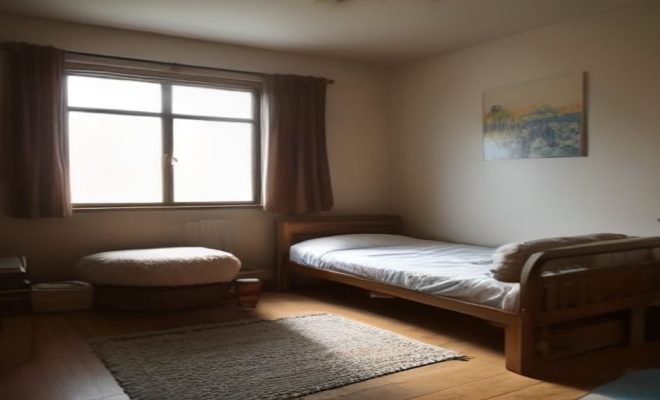
When you hear “Airbnb,” your mind probably jumps to a weekend getaway, a quirky staycation, or a week-long vacation. But what if I told you a growing number of people are turning to Airbnb not for a short escape, but for their actual homes? The idea of a long term Airbnb rental as a primary residence, or even a semi-permanent living arrangement, has quietly gained traction. It’s a fascinating trend, blending the flexibility of short-term stays with the stability of traditional housing, but it’s far from a simple swap.
For digital nomads, remote workers, or anyone craving a less conventional lifestyle, the allure is obvious. Imagine the freedom: no fixed lease, no utility setup hassle, furnished spaces, and the ability to move from city to city, or even country to country, with relative ease. It sounds like a dream, doesn’t it? But like any dream, there are practicalities, financial implications, and hidden complexities that need a serious look. This isn’t just about finding a place to crash; it’s about making a significant lifestyle choice, one that demands careful consideration of both its benefits and its often-overlooked drawbacks.
The Allure of Flexibility: Why People Consider a Long Term Airbnb Rental
Let’s be honest, the modern world values flexibility above almost everything else. The nine-to-five, single-location career is becoming less of a norm, especially for younger generations and those in tech or creative fields. This shift in work culture has naturally led to a re-evaluation of traditional living arrangements. Why commit to a year-long lease in one city if your job allows you to work from anywhere, or if you simply crave a change of scenery every few months?
A long term Airbnb rental offers an unprecedented level of freedom. You can try living in different neighborhoods, experiencing various cultures, or even testing out a new city before making a permanent move. For folks in transition – say, between jobs, after a move, or during home renovations – it provides a convenient, furnished stopgap. You avoid the cumbersome process of buying furniture, setting up internet and utilities, and dealing with landlord background checks and credit scores, which can be a significant barrier for some. Plus, many Airbnbs offer amenities you might not find in a typical rental, like a fully stocked kitchen, unique decor, or access to pools and gyms, all without the long-term commitment. It’s a lifestyle choice that promises adventure and minimal fuss, at least on the surface.
Understanding Airbnb’s Long-Term Stay Policies
If you’re seriously considering a long term Airbnb rental, the first thing you need to grasp are the platform’s specific rules for extended stays. Airbnb defines a “long-term stay” as any reservation lasting 28 nights or more. This isn’t just an arbitrary number; it triggers a different set of policies and often a different pricing structure. For stays of this duration, Airbnb’s cancellation policies become much stricter, and the payment schedule shifts. Instead of paying the full amount upfront, you typically pay for the first month at the time of booking, and then subsequent payments are collected monthly.
This payment flexibility is a huge plus for many, as it more closely mimics a traditional rent payment schedule. However, it also means you’re committing to a longer period, and if you need to cut your stay short, the financial implications can be significant. The host’s long-term cancellation policy usually dictates that if you cancel after moving in, you’ll still be responsible for the next 30 days of the reservation, or a pro-rated amount if your original booking was for less than 30 days. It’s vital to read and understand these terms for each specific listing, as they can vary. Don’t just skim past them; your financial well-being depends on it.
The Financial Reality: Are Long-Term Airbnbs Cheaper Than Rent?
Here’s where the dream often collides with reality. Many assume that a long term Airbnb rental will automatically be cheaper than a traditional lease. Sometimes, it can be, but it’s far from a guarantee. While hosts often offer substantial discounts for longer stays – sometimes 20%, 30%, or even more for monthly bookings – you still need to factor in all the costs. (See: CDC on housing and health.)
Let’s break it down: The advertised price on Airbnb often doesn’t include cleaning fees, service fees (which can be 14.2% for guests), and occupancy taxes. These can add up significantly, especially over several months. In some cities, these taxes can be quite high. For a traditional rental, you’d pay a security deposit, first month’s rent, and maybe an application fee. With Airbnb, your upfront cost might be lower, but the recurring fees can sometimes make the monthly total comparable to, or even higher than, a traditional apartment, especially when you consider that traditional rentals usually don’t have a recurring “service fee” on top of the rent. Always request a full breakdown of costs from the host or use Airbnb’s total price display to get the complete picture before committing. We covered new regulations in travel in more detail.
Hidden Costs and Practical Expenses
Beyond the base price, cleaning fees, and service charges, there are other financial considerations. Utilities are typically included in an Airbnb, which is a definite perk. No setting up electricity, gas, or internet accounts. However, what about groceries? While an Airbnb usually has a kitchen, you’ll still be spending on food, just like in any home. Laundry facilities might be on-site, or you might need to use a laundromat, adding another small expense. Transportation costs can also be a factor, especially if you’re in an unfamiliar city without your own car. Don’t forget incidentals like toiletries, cleaning supplies (if you plan to keep the place tidy yourself), and any local taxes not covered by the platform. A truly comprehensive budget needs to account for all of these.
Pros and Cons: Weighing Your Options
Making a living choice like a long term Airbnb rental demands a clear-eyed assessment of its advantages and disadvantages. Let’s lay them out:
The Advantages: Unpacking the Appeal
- Furnished Convenience: This is huge. You literally just show up with your suitcase. No moving trucks, no furniture assembly, no utility hookups. It’s ready-to-live.
- Flexibility: The ability to move around without breaking a lease or incurring massive penalties is a game-changer for many. Want to spend three months in Lisbon, then two in Mexico City? Airbnb makes it relatively easy.
- All-Inclusive Utilities: Most Airbnb bookings include electricity, water, gas, and internet. This simplifies budgeting and eliminates the administrative hassle of setting up accounts.
- Unique Experiences: You can live in places you might never find on a traditional rental market – historic homes, quirky lofts, or properties with stunning views, often with local flavor.
- No Landlord-Tenant Laws (Mostly): This can be a double-edged sword, but generally, you’re not subject to the same strict landlord-tenant laws as a traditional renter. This can mean fewer bureaucratic hurdles.
- Access to Amenities: Many listings offer pools, gyms, private outdoor spaces, or other perks that would be expensive or unavailable in standard rentals.
The Disadvantages: The Unseen Hurdles
- Cost Variability: As discussed, while discounts exist, the total cost can often be higher than traditional rent, especially in popular areas or during peak seasons. Prices can fluctuate dramatically.
- Lack of Permanence: You’re a guest, not a tenant. This means less legal protection than a traditional renter, and the host can cancel your reservation (though with penalties) or simply choose not to extend your stay.
- Emotional Toll of Constant Movement: For some, the novelty wears off. Constantly packing, unpacking, and adapting to new environments can be exhausting and make it hard to build a routine or a local community.
- Limited Personalization: You can’t paint walls, hang pictures, or truly make the space your own. It’s always someone else’s space, and while comfortable, it might not feel like “home.”
- Availability Issues: Finding suitable long-term rentals in desirable locations, especially during peak travel times, can be challenging. Good spots get booked quickly.
- Host Dependency: Your living situation is entirely dependent on your host. A bad host experience – slow communication, unaddressed issues, or unrealistic expectations – can severely impact your stay.
- Building Credit/Proof of Residence: Living in Airbnbs can make it harder to establish proof of residence for things like voting, driver’s licenses, or even building a credit history, as you don’t have a traditional lease or utility bills in your name.
The Legal Landscape: What You Need to Know About Tenant Rights
This is a crucial, often misunderstood aspect of a long term Airbnb rental. When you book a short-term Airbnb, you’re generally considered a licensee or a guest. You don’t have the same legal protections as a tenant. However, when a stay extends to 28 nights or more, the lines can blur, and in some jurisdictions, you might actually start to acquire tenant rights.
This varies wildly by location. In some cities or states, after a certain number of days (e.g., 30 days in California), a guest can legally be considered a tenant, even without a formal lease. This means they could be entitled to eviction protections, notice periods, and other rights that hosts typically don’t anticipate. For hosts, this is a risk, as it means removing a long-term guest might require a formal eviction process, which is costly and time-consuming. For guests, it’s a potential benefit, offering more security, but it’s not something you should count on without doing your homework.
Always research the specific landlord-tenant laws of the city and state where you plan to book a long-term Airbnb. Don’t assume you have tenant rights just because you’re staying for an extended period. Conversely, hosts should be acutely aware of these laws to avoid accidental tenant creation. This legal grey area is one of the more complex aspects of the long-term Airbnb model.
Finding the Perfect Long Term Airbnb Rental: Tips and Tricks
If you’ve weighed the pros and cons and decided a long term Airbnb rental is for you, here are some actionable tips to help you find the best possible situation:
Filter for “Monthly Stays” and Apply Filters
Airbnb’s search function is powerful. Make sure to input your exact dates (28 nights or more) to trigger the “monthly stay” pricing and policies. Then, use all the available filters: whole place, number of bedrooms, amenities (Wi-Fi, kitchen, laundry, dedicated workspace), superhost status, and instant booking. The more specific you are, the better your results will be. (See: New York Times on Airbnb rentals.)
Communicate with Hosts Before Booking
This is non-negotiable. Before you click “book,” send a detailed message to the host. Introduce yourself, explain why you’re looking for a long-term stay, and ask specific questions. Inquire about:
- Any additional fees not shown in the initial price breakdown.
- Their expectations for utility usage (e.g., are there caps?).
- Mail delivery: Can you receive mail at the address? This is a common issue.
- Maintenance: How are repairs handled for extended stays?
- Possibility of extending: If you like the place, can you stay longer?
- Local tenant laws: You might even ask if they’re aware of specific regulations for extended guests in their area.
A host’s responsiveness and willingness to engage in a detailed conversation can tell you a lot about what kind of experience you’ll have.
Read Reviews (Especially for Long Stays)
Don’t just look at the star rating. Dig into the reviews, specifically looking for comments from guests who stayed for longer periods. Did they mention any issues with internet reliability, noise, or host communication over time? These insights are gold.
Consider Off-Peak Seasons and Less Popular Areas
If you have flexibility with your timing and location, you can often find better deals during off-peak seasons or in neighborhoods slightly outside the absolute tourist hotspots. You might discover a hidden gem and save a significant amount of money.
Life as a Long-Term Airbnb Resident: Practicalities and Challenges
Beyond the financial and legal aspects, what’s it really like to live in a long term Airbnb rental? It’s a unique lifestyle that comes with its own set of practicalities and challenges.
Building a Routine and Community
One of the biggest hurdles for long-term Airbnb residents is establishing a sense of routine and community. If you’re constantly moving every few months, it can be hard to find a regular gym, a favorite coffee shop, or build friendships. For some, this transient nature is exciting, but for others, it leads to a feeling of rootlessness. You might need to be more proactive in seeking out local groups, co-working spaces, or social events to feel connected.
Mail and Deliveries
This might seem minor, but receiving mail and packages can be a genuine headache. Many hosts are hesitant to allow guests to receive mail at their property, or they might not check the mailbox regularly. If you need to receive important documents or frequently order online, you’ll need a clear plan. Options include using a post office box, a virtual mailbox service, or confirming with your host that they’re comfortable with you receiving mail. (See: BBC on flexible living trends.)
Maintaining a Sense of Home
While the convenience of a furnished space is great, the inability to truly personalize your living environment can be a challenge. You can’t paint, hang artwork, or bring in your own large furniture. For some, this lack of personalization prevents a place from ever truly feeling like “home.” You’ll learn to make smaller touches – bringing your own linens, a favorite mug, or a portable plant – to create a semblance of familiarity.
The Future of Long-Term Stays: Beyond Airbnb
The trend of flexible living is here to stay, and it’s not just Airbnb catering to it. As the demand for long term Airbnb rental alternatives grows, other platforms and models are emerging. Companies specializing in corporate housing, extended-stay hotels, and co-living spaces are all vying for a piece of this market. These options often offer a hybrid approach, combining the amenities and flexibility of short-term rentals with more traditional lease structures or community-focused living.
Extended-stay hotels, for instance, often include kitchenettes, discounted weekly/monthly rates, and sometimes even complimentary breakfast, providing a more hotel-like experience with the convenience of a longer stay. Co-living spaces, on the other hand, focus on community, shared amenities, and often include utilities and furnished rooms in a single monthly fee. As remote work becomes even more prevalent, we can expect to see more innovative solutions emerge, further diversifying the options for those seeking flexible, long-term living arrangements.
Conclusion: Is a Long Term Airbnb Rental Right for You?
So, can you live in a long term Airbnb rental? Absolutely. Is it the right choice for everyone? That’s a much more nuanced question. It offers unparalleled flexibility, convenience, and the chance to experience diverse locations without the burdens of traditional homeownership or long-term leases. For digital nomads, those in transition, or individuals who thrive on constant change, it can be an incredibly liberating lifestyle.
However, it comes with its own set of trade-offs: potentially higher costs, less legal protection than traditional tenancy, and the inherent challenges of never truly settling down. Before you commit to this path, do your homework. Crunch the numbers, understand the legal implications in your chosen location, and honestly assess your own personality and needs. Are you truly someone who thrives on novelty, or do you crave the stability and sense of belonging that a more permanent home provides? The answer will dictate whether this fascinating, modern way of living is your next great adventure, or a costly lesson in disguise.
Trending Now
Frequently Asked Questions
Can you live in an Airbnb long term?
Yes, many people are now opting for long-term Airbnb rentals as their primary residences. This arrangement offers flexibility and the convenience of furnished spaces without the commitment of a traditional lease.
What are the benefits of living in an Airbnb?
Living in an Airbnb provides flexibility, as you can easily move between locations. It eliminates the hassles of utility setups and offers furnished accommodations, making it ideal for remote workers and digital nomads.
What are the downsides of long-term Airbnb rentals?
While long-term Airbnb rentals offer flexibility, they can also come with hidden costs, less stability, and the potential for inconsistent quality. It's important to consider these factors before making a decision.
Is it cheaper to rent an Airbnb long term?
Long-term Airbnb rentals can sometimes be more cost-effective than traditional leases, especially when considering the reduced costs of utilities and furniture. However, prices vary by location and season.
How do I find long-term Airbnb rentals?
To find long-term Airbnb rentals, use the search filters on the Airbnb website or app to specify your desired length of stay. Many hosts offer discounts for extended stays, making it easier to secure a suitable place.
Agree or disagree? Drop a comment and tell us what you think.