The Unseen Crisis: Why Online Learning for Afghan Girls Isn’t The Full Answer
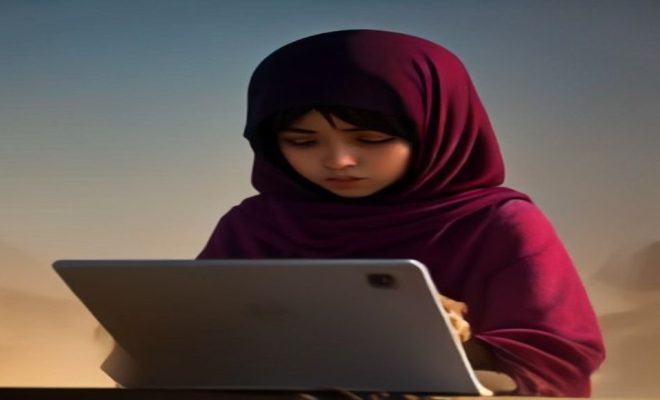
When we talk about the future of education, especially for those in crisis zones, it’s easy to get swept up in the promise of technology. Online learning platforms, virtual classrooms, and digital resources often sound like the perfect panacea. But for Afghan girls, denied the fundamental right to secondary education by the Taliban, the reality is far more complex. Shabana Basij-Rasikh, a tireless Afghan educator and fierce advocate for girls’ schooling, recently cut through the hype with a poignant truth: while online learning for Afghan girls is an absolute lifeline, it can never truly replace the irreplaceable magic of a physical classroom.
It’s now been five years since the Taliban seized power, and the devastating impact on education, particularly for girls, continues to be a profound human rights tragedy. An estimated 2.4 million girls remain locked out of secondary schools, their dreams deferred, their potential stifled. In this bleak landscape, initiatives like SOLAx, which Basij-Rasikh champions, have emerged as beacons of hope, offering a crucial pathway for learning to continue. Yet, her insistence that these digital solutions, as vital as they are, aren’t a substitute for in-person schooling isn’t just a lament; it’s a stark reminder of what’s truly at stake.
1. The Unacceptable Reality: Millions Denied Education
Let’s face it: the numbers are staggering and frankly, infuriating. Five years on, 2.4 million Afghan girls are still being systematically denied their right to an education beyond primary school. Think about that for a moment. That’s 2.4 million individual lives, each with their own unique talents, aspirations, and contributions to make, all put on hold. This isn’t just a statistic; it’s a generation being lost to an ideological crackdown.
The Taliban’s decree effectively barring girls from secondary education isn’t just discriminatory; it’s an act of profound intellectual and social vandalism. It strips away agency, limits economic independence, and fundamentally undermines the future stability and prosperity of Afghanistan itself. Every single day these girls are out of school, the gap widens, and the challenge of reintegration becomes even more formidable.
This denial isn’t merely about missing out on textbooks and lectures. It robs girls of opportunities to develop critical thinking skills, problem-solving abilities, and the foundational knowledge needed to participate in and contribute to society. It also perpetuates a cycle of poverty and dependence, making it harder for women to achieve financial autonomy and advocate for their rights. The long-term consequences for Afghanistan are dire, impacting everything from public health to economic growth, as half the population is sidelined from contributing their full potential.
2. Online Learning as a Desperate Lifeline: The SOLAx Model
In this harrowing context, online learning for Afghan girls has stepped in not as an ideal solution, but as a desperate, necessary lifeline. Shabana Basij-Rasikh’s SOLAx program exemplifies this. Serving over 40,000 learners, it leverages accessible technology, primarily WhatsApp, to deliver educational content. This isn’t some fancy, high-tech virtual reality classroom; it’s pragmatic, resourceful, and designed to meet girls where they are – often hidden away, with limited internet access.
The ingenuity of using WhatsApp is that it circumvents many of the infrastructure challenges that plague remote learning initiatives in developing nations. Most Afghan households, even in rural areas, have some form of mobile phone access, and WhatsApp is widely used for communication. This approach means that learning can continue, even if clandestinely, offering a glimmer of hope and continuity in a deeply uncertain environment. It’s a testament to human resilience and innovation in the face of oppression.
The beauty of the SOLAx model lies in its adaptability. It’s not about replicating a Western classroom experience online, but about delivering core curriculum in a format that’s feasible and safe. This often involves pre-recorded lessons, digital worksheets, and text-based interactions, allowing girls to learn at their own pace and often during off-peak hours when network access might be better or when they can discreetly access a device. The content is carefully curated to align with the Afghan curriculum, ensuring that when the opportunity for formal schooling returns, these girls won’t be starting from scratch.
3. Beyond Academics: The Holistic Classroom Experience
Here’s where Basij-Rasikh’s argument truly resonates. A physical classroom is so much more than just a place to absorb facts and figures. It’s a vibrant ecosystem for social development. Think about the casual conversations, the group projects, the debates, the shared laughter during a break, and even the minor conflicts that teach conflict resolution. These are the crucibles where social skills are forged, where empathy is learned, and where future leaders are shaped.
In a classroom, girls learn how to interact with peers from different backgrounds, navigate social hierarchies, and develop a sense of belonging to a larger community. They receive immediate, personalized feedback from teachers who can read their body language, understand their struggles, and offer tailored support. This rich, multi-dimensional learning environment is incredibly difficult, if not impossible, to replicate entirely through a screen, no matter how advanced the technology.
Consider the non-verbal cues teachers pick up on: a slumped posture, averted eyes, a hesitant hand raise. These subtle signals often indicate a student is struggling, not just with the material, but perhaps with something deeper. In a physical classroom, a teacher can pull that student aside for a quiet word, offer encouragement, or connect them with resources. Online, these critical cues are often missed, making it harder to provide timely and effective support. The serendipitous moments of discovery, the spontaneous discussions that veer off-topic but spark new interests, and the sheer energy of collective learning are largely absent in a purely virtual setting.
4. The Crucial Role of Teachers: More Than Just Information Deliverers
Teachers in a physical classroom are not merely content delivery systems. They are mentors, confidantes, role models, and often, surrogate parents. They offer emotional support, identify learning difficulties early, and can intervene when a student is struggling, whether academically or personally. This human connection is profound and deeply impactful, especially for young girls navigating adolescence in a restrictive society. (See: impact of Taliban on education.)
Online platforms, even with live video sessions, inherently create a barrier to this kind of spontaneous, intimate interaction. It’s harder to gauge a student’s emotional state, harder to build that personal rapport, and harder to offer the kind of holistic guidance that a dedicated teacher provides in person. For Afghan girls, many of whom face immense psychological pressure and isolation, the supportive presence of a teacher in a physical space can be literally life-saving.
Beyond academic guidance, teachers provide a safe adult presence outside the family, a crucial aspect for girls in environments where their voices might be suppressed at home. They can be advocates, helping girls understand their rights and potential. The trust built between a student and a teacher in a physical setting fosters an environment where girls feel comfortable asking sensitive questions, discussing personal challenges, or seeking advice on future pathways. This emotional scaffolding is a cornerstone of healthy development and resilience, something that’s incredibly challenging to build through a digital interface.
5. Infrastructure and Access: The Digital Divide in Afghanistan
While WhatsApp offers a relatively low-tech entry point, we can’t ignore the significant challenges posed by Afghanistan’s digital infrastructure. Internet access is often unreliable, expensive, and limited, particularly in rural areas. Electricity supply is erratic, meaning charging devices can be a constant struggle. These practical hurdles create an inherent inequality in who can truly benefit from online learning for Afghan girls. For more context, see Google Classroom vs Schoology.
Furthermore, the devices themselves – smartphones, tablets, or computers – are not universally available, especially in impoverished households. Even if a family has one smartphone, it might be shared among multiple children or adults, making dedicated study time difficult to secure. These are not minor inconveniences; they are fundamental barriers that prevent online learning from being a truly equitable solution for all girls.
Even where internet is available, its quality can be a major issue. Frequent disconnections, slow speeds, and high data costs make it difficult to engage with rich media content or participate in real-time virtual classes. This digital divide doesn’t just mean some girls get less access; it means the quality of access they receive can be vastly inferior, leading to frustration and disengagement. Imagine trying to follow a complex math lesson when the video keeps freezing or the audio cuts out every few seconds. It makes consistent learning incredibly difficult and puts those without reliable access at a severe disadvantage.
6. Security and Privacy Concerns in a Repressive Environment
Operating any form of education for girls in Taliban-controlled Afghanistan comes with inherent risks. Online learning, while offering some degree of anonymity, is not without its security and privacy concerns. The very act of a girl engaging in education, even virtually, is a defiant act that could attract unwanted attention. How are these platforms protecting student data? What measures are in place to ensure the safety of both learners and educators?
The digital footprint, however small, could potentially be traced or monitored, putting participants at risk. While organizations like SOLAx undoubtedly prioritize these issues, the reality of operating in such a repressive environment means that complete safety can never be guaranteed. A physical, albeit clandestine, classroom might offer a different, perhaps more controlled, form of security through community watch and trusted local networks.
The danger extends beyond digital surveillance. If a girl’s participation in online learning is discovered by local authorities or conservative family members, she could face severe repercussions, ranging from harassment to physical violence. This forces both learners and educators to operate under immense stress, constantly weighing the benefits of education against the risks to their safety. The platforms themselves must employ robust encryption, anonymous access methods, and strict data retention policies to minimize digital traces. However, even with the best technical safeguards, the human element of risk remains a terrifying constant for those involved in online learning for Afghan girls.
7. Beyond the Screen: Extracurriculars and Community Building
School isn’t just about lessons. It’s about sports days, drama clubs, science fairs, school plays, and the sheer joy of collaborative projects. It’s about building a sense of community, fostering teamwork, and discovering hidden talents outside the academic curriculum. These experiences are vital for holistic development, boosting self-confidence, and helping young people find their place in the world.
Online learning, by its very nature, struggles to replicate these communal, hands-on experiences. While virtual clubs or online group activities can be attempted, they lack the spontaneous energy and shared physical presence that make these extracurriculars so impactful. For Afghan girls, already isolated by societal restrictions, the loss of this communal aspect of schooling is particularly acute.
Imagine the pride of presenting a science project at a school fair, the camaraderie of a team winning a debate, or the confidence gained from performing in a play. These moments are fundamental to building self-esteem and developing a well-rounded personality. They provide opportunities for leadership, creative expression, and forming lasting friendships. Online equivalents, while well-intentioned, often fall short of delivering the same depth of experience and connection. The shared physical space allows for impromptu interactions, collective problem-solving, and the development of a shared identity that is difficult to forge when everyone is behind a screen.
8. The Psychological Toll of Isolation and Online Learning
The extended denial of education, combined with the general repressive atmosphere, undoubtedly takes a severe psychological toll on Afghan girls. Online learning, while providing intellectual stimulation, can inadvertently exacerbate feelings of isolation. Staring at a screen for hours, without the physical presence of peers or a supportive teacher, can be a lonely experience.
Human beings are social creatures. The need for face-to-face interaction, for shared spaces, and for collective experiences is fundamental to mental well-being. For girls who are already confined to their homes and stripped of many freedoms, online learning, while offering a mental escape, might not fully address the deeper psychological need for connection and belonging that a bustling classroom naturally provides.
The lack of a routine external environment, the absence of daily commutes to school, and the diminished opportunities for social interaction can lead to feelings of boredom, anxiety, and depression. While online learning provides a vital intellectual outlet, it can’t fully substitute the mental health benefits derived from a structured, social environment. The mere act of leaving the house, interacting with peers, and having a purpose outside the home offers a crucial sense of normalcy and hope that is sorely needed during these challenging times. Without these, the psychological burden on young girls can become overwhelming.
9. Advocating for the Ultimate Goal: Reopening Classrooms
Shabana Basij-Rasikh’s powerful assertion isn’t a dismissal of online learning for Afghan girls; it’s a strategic call to action. By highlighting its limitations, she’s not diminishing the incredible work being done, but rather underscoring the absolute necessity of the ultimate goal: the full, unconditional reopening of secondary schools for all girls across Afghanistan. Online platforms are a bridge, not the destination.
Her message is clear: the global community must not become complacent, viewing online solutions as a permanent fix. We must continue to exert pressure, advocate tirelessly, and support efforts that push for the fundamental human right to in-person education. The resilience and innovation shown by educators and learners in Afghanistan are inspiring, but they should never be an excuse for the world to stop fighting for what is truly right: every girl, in every country, in every classroom.
10. The Broader Global Context: Education as a Human Right
The situation in Afghanistan, while acutely devastating, highlights a broader global challenge: ensuring education as a universal human right, even in conflict zones or under repressive regimes. The international community has a moral and legal obligation to uphold this right. When girls are denied education, it’s not just a personal tragedy; it’s a violation of international human rights conventions, including the Universal Declaration of Human Rights and the Convention on the Rights of the Child. For more context, see Can Canva for Education be used offline.
Ignoring this crisis or accepting online learning as a permanent substitute sets a dangerous precedent. It signals to other repressive governments that such actions might be tolerated, eroding the very foundation of global human rights advocacy. The fight for online learning for Afghan girls is intrinsically linked to the larger struggle for educational equity and justice worldwide, reminding us that education is not a privilege, but a fundamental entitlement for every child, everywhere.
This isn’t just about Afghanistan’s future; it’s about the credibility of international institutions and the values we collectively claim to uphold. If the world stands by while millions of girls are systematically denied education, it undermines decades of progress in gender equality and human development. Investing in their education, whether through online lifelines or, ultimately, physical schools, is an investment in global stability, peace, and prosperity.
11. Measuring Impact and Adaptation: The Evolving Landscape of Online Learning
For online learning initiatives like SOLAx, continually measuring their impact and adapting to the evolving situation on the ground is paramount. This isn’t a static solution; it’s a dynamic response to an ongoing crisis. How do we assess learning outcomes when formal examinations might be impossible? What metrics truly capture the success of these programs beyond just enrollment numbers?
The focus often shifts to qualitative data: student testimonials, reports from local facilitators, and observed changes in confidence and engagement. Adaptability means being ready to pivot if internet access changes, if new restrictions are imposed, or if new technologies become more accessible. It also involves ongoing curriculum development to keep content relevant and engaging for girls who are navigating unique social and psychological challenges. The innovation isn’t just in delivery, but in the continuous refinement of the educational experience under duress.
Furthermore, these programs must consider the varying educational backgrounds of their students. Some girls might have completed primary school, while others might have had their education interrupted much earlier. Tailored content and differentiated instruction are crucial to ensure that all learners can benefit, regardless of their starting point. This requires a level of pedagogical sophistication that goes beyond simply digitizing textbooks, demanding a deep understanding of effective online teaching methodologies adapted to a high-stakes environment.
12. The Role of Local Communities and Parents in Supporting Online Learning
The success of online learning for Afghan girls isn’t solely dependent on technology or external organizations. The role of local communities and, crucially, parents, particularly mothers, is incredibly significant. In many cases, it’s a mother who facilitates access to a phone, ensures a quiet space for study, and provides encouragement in secret. These unsung heroes take on considerable risk to ensure their daughters can continue learning.
Building trust and garnering support within communities is essential. This often means engaging with local elders, religious leaders, and family members to explain the importance and benefits of education, even if delivered online. Organizations must work sensitively within cultural contexts, understanding that overt defiance can endanger their students. The strength of these programs often lies in their ability to integrate discreetly into community structures, providing educational opportunities without overtly challenging local norms in a way that could provoke backlash.
This community-based approach also helps in identifying girls who might be particularly isolated or at risk, ensuring they are not left behind. Local networks can provide vital information, support, and even a degree of protection that external bodies cannot. It’s a testament to the deep desire for education within Afghanistan that, despite the severe restrictions, so many families are willing to take risks to facilitate their daughters’ learning.
Frequently Asked Questions About Online Learning for Afghan Girls
Q1: Is online learning for Afghan girls a permanent solution?
No, online learning is not a permanent solution. While it’s an absolutely vital lifeline right now, providing education where none would otherwise exist, it cannot fully replicate the holistic development and social benefits of a physical classroom. Educators and advocates universally agree that the ultimate goal is the full, unconditional reopening of secondary schools for all girls in Afghanistan. For more context, see Is Edmodo still available 2026.
Q2: What kind of technology is used for online learning in Afghanistan?
Many programs, like SOLAx, use accessible and low-bandwidth technologies, primarily WhatsApp. This allows for the delivery of educational content (text, audio, simple videos, PDFs) through widely available mobile phones, circumventing significant infrastructure challenges like reliable internet and electricity in many areas. It’s about pragmatic solutions over high-tech ones.
Q3: How many Afghan girls are currently denied secondary education?
An estimated 2.4 million Afghan girls are currently denied the right to secondary education due to the Taliban’s decrees. This figure represents a profound human rights tragedy and a generation being denied their fundamental right to learn.
Q4: What are the main challenges to online learning for Afghan girls?
The challenges are numerous and significant. They include unreliable and expensive internet access, erratic electricity supply, limited access to personal devices (often shared among families), security and privacy concerns in a repressive environment, and the psychological toll of isolation. Additionally, online learning struggles to replicate the social, emotional, and extracurricular aspects of a physical classroom.
Q5: How do online learning programs address security and privacy concerns?
Organizations running these programs prioritize security and privacy by employing robust encryption for communications, using anonymous access methods where possible, and maintaining strict data retention policies to minimize digital footprints. However, the inherent risks of operating in a Taliban-controlled environment mean that complete safety can never be guaranteed, placing participants under constant stress.
Q6: What role do teachers play in online learning for Afghan girls?
Even in online settings, teachers are crucial. They are not just content deliverers but mentors, offering academic guidance, emotional support, and a vital connection. While building rapport is harder online, dedicated teachers adapt, providing feedback and encouragement, often at great personal risk. They are a lifeline for students who may be isolated and under immense pressure.
Q7: How can the international community support education for Afghan girls?
The international community can support education for Afghan girls by continuing to fund and empower organizations providing online learning lifelines, while simultaneously exerting diplomatic pressure on the Taliban to reopen schools. It’s also crucial to advocate for education as a fundamental human right, providing both financial and political support to ensure Afghan girls are not forgotten or permanently left behind.
Q8: Are there any success stories from online learning initiatives?
Absolutely. Programs like SOLAx have successfully reached tens of thousands of girls, providing continuity in their education against incredible odds. Student testimonials often speak to the hope and purpose these programs instill, helping girls maintain intellectual engagement and a sense of future possibilities, even if limited. The sheer resilience of these learners and educators is a powerful success story in itself.
Q9: What happens if a girl’s participation in online learning is discovered?
If a girl’s participation in online learning is discovered, she and her family could face severe repercussions. This could range from harassment and intimidation by local authorities or conservative community members to physical violence. This inherent risk underscores the bravery of every girl who chooses to learn and every family that supports her.
Q10: Why is a physical classroom considered “irreplaceable magic”?
A physical classroom offers “irreplaceable magic” because it provides a holistic environment for development. It’s where social skills are forged through peer interaction, where empathy is learned, and where children develop a sense of belonging. Teachers can offer immediate, personalized support, read non-verbal cues, and act as mentors. Extracurricular activities, shared experiences, and a structured, safe space all contribute to a rich, multi-dimensional learning experience that goes far beyond academics and cannot be fully replicated online.
Trending Now
Frequently Asked Questions
Why are Afghan girls being denied education?
Afghan girls are being denied education due to the Taliban's decree that bars them from attending secondary schools. This discriminatory act has left an estimated 2.4 million girls without access to vital educational opportunities, stifling their potential and dreams.
How has the Taliban's rule affected education for girls in Afghanistan?
Since the Taliban seized power five years ago, education for girls has suffered dramatically. The regime's policies have systematically excluded girls from secondary education, resulting in millions being denied their fundamental right to learn and develop their talents.
What are the alternatives to traditional schooling for Afghan girls?
While online learning platforms and initiatives like SOLAx provide some educational opportunities for Afghan girls, they cannot fully replace the benefits of in-person schooling. These digital solutions serve as a lifeline but fall short of offering the complete educational experience found in physical classrooms.
What is the impact of online learning on Afghan girls' education?
Online learning offers a crucial pathway for education in Afghanistan, especially given the restrictions imposed by the Taliban. However, educators like Shabana Basij-Rasikh emphasize that while it is beneficial, it cannot replicate the irreplaceable value of direct interaction and engagement found in traditional classrooms.
What initiatives are helping Afghan girls access education?
Initiatives like SOLAx, championed by educators such as Shabana Basij-Rasikh, are emerging as vital resources for Afghan girls. These programs aim to provide access to learning despite the challenges posed by the Taliban's restrictions on education, offering hope and opportunities for continued growth.
What did we miss? Let us know in the comments and join the conversation.