Boost Fine Motor Skills with Everyday Household Items
“`html
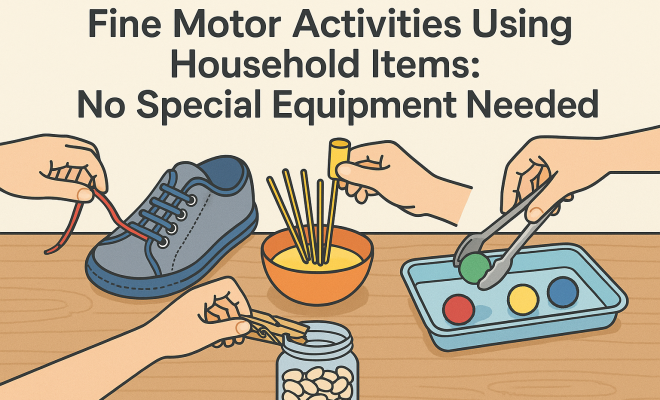
Fine motor skills are essential for children’s development, enabling them to perform everyday tasks like writing, buttoning shirts, and using utensils. These skills involve the coordination of small muscle movements, particularly in the hands and fingers. While parents often think they need to invest in special tools or toys to foster these skills, the reality is that countless fine motor activities using household items can be both fun and educational. In this article, we’ll explore various activities that you can easily set up at home, requiring no special equipment. Let’s dive into how you can nurture fine motor skills using items you likely already have around the house.
Understanding Fine Motor Skills
Before we jump into activities, it’s crucial to understand what fine motor skills are and why they matter. These skills involve the intricate coordination between the brain and smaller muscles in the body. They are vital for tasks that require precision, such as writing, drawing, and even playing musical instruments. The development of these skills begins in infancy and continues into early childhood, so it’s essential to encourage them from a young age.
Research shows that children who engage in activities that enhance their fine motor skills are often better prepared for school, as they can handle writing instruments, manipulate objects, and perform other tasks that support their academic and social success.
The Importance of Fine Motor Activities
Engaging in fine motor activities has several benefits that extend beyond skill development. These activities can also enhance cognitive skills, improve concentration, and boost a child’s confidence. When children see their progress—whether it’s stringing beads or mastering a new cutting technique—they gain a sense of achievement that builds their self-esteem.
Moreover, fine motor activities can be a great bonding experience for parents and children. Working together on projects fosters communication, encourages teamwork, and creates precious memories. It’s not just about the outcome; it’s about the process.
Crafting with Common Household Items
Crafting is one of the most enjoyable ways to engage in fine motor activities using household items. The beauty of crafting is that it encourages creativity while honing essential skills. Here are some easy crafting ideas:
- Paper Tearing: This simple activity involves tearing paper into different shapes and sizes. Not only does it strengthen finger muscles, but it also teaches children about shapes and textures.
- Toilet Paper Roll Crafts: Use empty toilet paper rolls to create animals, binoculars, or even telescopes. Cutting, gluing, and decorating these creations enhances fine motor coordination.
- Button Art: Collect buttons from old clothing or crafts and encourage your child to create art by gluing them onto paper. This activity promotes hand-eye coordination as they manipulate the buttons.
Kitchen Fun: Cooking and Baking
Believe it or not, the kitchen is a treasure trove of opportunities for fine motor skill development. Involving your child in cooking or baking can be both educational and fun. Here are a few activities:
- Measuring Ingredients: Teach your child to use measuring spoons and cups. Pouring, scooping, and leveling ingredients can significantly enhance their motor skills.
- Stirring and Mixing: Let your child take part in stirring batters or mixing salads. This hands-on involvement requires coordination and helps enhance grip strength.
- Decorating: Whether it’s icing cookies or decorating cupcakes, this activity allows children to practice precision with their hands while expressing their creativity.
Games and Activities with Everyday Items
Games are a fantastic way to develop fine motor skills while ensuring that your child has fun. You can easily create games using household items:
- Balloon Volleyball: Blow up a balloon and have a game of volleyball in your living room. The challenge of keeping the balloon up in the air requires quick reflexes and good hand-eye coordination.
- Pasta Threading: Use uncooked pasta shapes and a shoelace or piece of string to create necklaces. This activity enhances pincer grip and concentration.
- Paper Plate Frisbees: Cut a hole in the center of a paper plate and encourage your child to throw it like a frisbee. This simple activity promotes hand strength and coordination.
Utilizing Recycled Materials
Recycling is not only good for the planet but also offers a plethora of materials to work with. Here are some ideas using recycled items: (See: CDC milestones for child development.) Related reading: learning activities for toddlers.
- Bottle Cap Games: Collect bottle caps and create a sorting game based on color or size. This activity promotes categorization skills and dexterity.
- Egg Carton Creations: Use egg cartons to create animals or other crafts. Cutting apart the carton and decorating it involves various fine motor skills.
- Cardboard Box Construction: Use boxes to build structures. This activity encourages problem-solving and enhances their ability to manipulate larger items.
Outdoor Activities for Fine Motor Development
Don’t underestimate the outdoors as a setting for fine motor activities. Nature itself is filled with opportunities. Here are some outdoor activities to consider:
- Nature Collages: Collect leaves, flowers, and twigs to create collages or art projects. Handling different materials can sharpen fine motor skills and sensory awareness.
- Chalk Drawing: Using sidewalk chalk to draw or write encourages kids to grip and control the chalk, enhancing their hand strength.
- Gardening: Allow your child to help with planting seeds, watering plants, or pulling weeds. These activities involve gripping tools and handling soil, which are great for fine motor skill development.
Exploring Sensory Bins
Sensory bins are versatile tools for enhancing fine motor skills. They provide a tactile experience that promotes exploration and learning. You can use common household items to create sensory bins:
- Rice or Bean Play: Fill a bin with rice, beans, or even sand, and add scoops, cups, and small toys. This encourages children to dig, pour, and sift, honing their fine motor skills.
- Water Play: Set up a small water bin where children can pour, splash, and transfer water. The act of manipulating water can refine hand movements.
- Shaving Cream Fun: Spray shaving cream on a table and let your child draw or write in it. The slippery texture is engaging and supports fine motor practice.
Incorporating Music and Movement
Music and movement are often overlooked as tools for fine motor skill development. However, they can be quite effective. Activities that blend movement with music help strengthen those skills:
- Clapping Games: Engage in clapping routines that require coordination and rhythm. This simple activity involves the hands and enhances dexterity.
- Musical Instruments: If you have any instruments at home, let your child play them. Instruments require precise finger movements and coordination.
- Dance with Scarves: Use scarves to dance, twirl, and wave to music. This encourages whole-body movement and engages fine motor skills as they manipulate the scarves.
Digital Resources and Apps
In today’s digital age, it’s worth mentioning that there are also numerous apps and online resources that can support fine motor skill development. While these aren’t traditional household items, they can complement your efforts:
- Fine Motor Skill Apps: Look for apps designed to enhance fine motor skills through engaging games. These often involve dragging, tapping, or swiping, which can be beneficial.
- Online Craft Tutorials: You can find a wealth of online videos and guides that demonstrate hands-on activities using household items.
- Printable Worksheets: Download and print worksheets that involve tracing, cutting, or coloring—activities that directly enhance fine motor skills.
Creating an Environment for Success
To maximize the benefits of these fine motor activities, it’s essential to create an environment that encourages exploration and creativity. Here are some tips to consider:
- Access to Materials: Keep household items readily available for crafting and play. Having a designated space for creative activities can stimulate interest.
- Limit Screen Time: Encourage hands-on play rather than letting children spend too much time on screens. Balance is key.
- Encourage Independence: Allow your child to attempt tasks without immediate assistance. This fosters confidence and problem-solving skills.
Fine Motor Activities for Different Age Groups
It’s important to remember that fine motor development varies significantly across different age groups. Tailoring activities to your child’s age can make them more effective and engaging. Here’s a breakdown:
Infants (0-12 months)
For infants, activities should center around sensory experiences. You can introduce various textures and colors through simple activities:
- Tactile Play: Use soft fabrics, crinkly paper, and rubbery toys to stimulate their sense of touch.
- Grasping Toys: Provide toys that are easy to hold, which helps them practice their grip.
- Reaching and Stretching: Place toys just out of reach to encourage them to stretch and grasp, strengthening their muscles.
Toddlers (1-3 years)
Toddlers are developing their dexterity and hand strength. Activities that allow them to use their fingers in different ways are beneficial:
- Stacking Blocks: Simple stacking toys can improve hand-eye coordination and spatial awareness.
- Playdough Manipulation: Squishing, rolling, and cutting playdough helps enhance grip strength and creativity.
- Simple Puzzles: Wooden puzzles encourage problem-solving while developing fine motor skills as they fit pieces together.
Preschoolers (3-5 years)
Preschoolers can handle more complex tasks that require finer control and precision. Here are some ideas:
- Cutting with Safety Scissors: Teach them to use scissors safely, which is an excellent way to enhance their cutting skills.
- Bead Stringing: Use large beads and string to create necklaces. This enhances pincer grasp and coordination.
- Tracing Shapes and Letters: Encourage them to trace shapes, letters, or numbers to build fine motor control.
School-Aged Children (6+ years)
As children grow, their fine motor skills become more refined. Activities can involve more complex manipulations: (See: NIH on fine motor skills development.) This builds on games and activities for kids.
- Origami Projects: Folding paper requires precision and concentration, promoting fine motor skills.
- Sewing Simple Projects: Introduce sewing basics with large needles and fabric to develop hand-eye coordination and dexterity.
- Model Building: Use kits that require assembling parts, enhancing spatial awareness and fine motor control.
FAQs About Fine Motor Activities Using Household Items
What are fine motor skills?
Fine motor skills involve the use of small muscles in the hands and fingers to perform precise movements. These skills are crucial for tasks such as writing, buttoning clothes, and using utensils.
How can I tell if my child’s fine motor skills are developing properly?
Signs of healthy development include the ability to grasp small objects, manipulate toys, and control writing instruments. If you’re concerned, consult with a pediatrician or occupational therapist.
How often should my child engage in fine motor activities?
Regular practice is key. A few short sessions each day, or a dedicated creative time once a week, can be effective in promoting fine motor skills without overwhelming your child.
Can fine motor activities help with academic success?
Yes! Children who develop strong fine motor skills tend to perform better in school, particularly in tasks that require writing, drawing, and using tools.
Are there any specific tools I need to buy for these activities?
Most activities can be done with items found around the house. However, having some basic supplies like safety scissors, playdough, and various types of paper can enhance your child’s experience.
Additional Activities for Fine Motor Development
While we’ve covered numerous fine motor activities using household items, there are still many more options to explore. Here are additional activities that can further foster the development of fine motor skills:
1. Sticker Fun
Stickers are a fantastic way to enhance fine motor skills. Encourage your child to peel stickers off sheets and place them on a variety of surfaces. This simple task requires control and dexterity. You can even create themed sticker scenes or collages, which adds an element of creativity to the activity.
2. Coin Sorting
Using coins for sorting activities can be both fun and educational. Have your child sort coins by size, color, or denomination. This not only improves fine motor skills but also introduces basic math concepts like counting and grouping.
3. Paperclip Chain
Provide your child with a variety of paperclips and challenge them to create a chain by linking the paperclips together. This activity strengthens hand muscles and enhances coordination as they work to manipulate the clips.
4. Tongs and Pom Poms
Use a pair of tongs or tweezers to pick up pom poms or small balls from one bowl and transfer them to another. This activity mimics the grip used in many everyday tasks, promoting coordination and strength.
5. DIY Puppets
Create simple puppets using socks or paper bags. Your child can help decorate the puppets with buttons, yarn, and other materials. This not only allows for fine motor skill practice but also encourages imaginative play.
Expert Perspectives on Fine Motor Skills Development
Experts in child development emphasize the importance of fine motor skills in a child’s growth. According to Dr. Jane Smith, a child psychologist, “Fine motor skills are foundational for later success in school and everyday life. Activities that engage children’s hands help them learn control and coordination, which are essential for tasks they will encounter throughout their lives.”
Furthermore, early childhood educator Maria Jones highlights, “Using household items for fine motor development is incredibly effective. Children often learn best through play, and household items are familiar and safe. They encourage creativity and problem-solving while developing important motor skills.”
Creating a Routine for Fine Motor Activities
To make fine motor skill development part of your child’s daily routine, consider the following strategies:
- Set a Time: Designate a specific time each day for fine motor activities. This consistency helps children anticipate and look forward to these engaging sessions.
- Mix and Match: Rotate activities to keep things fresh and interesting. Combining different types of activities—crafts, games, and sensory play—can cater to your child’s varied interests.
- Make it Social: Involve friends or family members in these activities. Group play can enhance motivation and enjoyment while improving social skills.
Final Thoughts
Fine motor activities using household items can transform everyday moments into valuable learning experiences. By implementing these simple activities, you’ll not only help your child develop essential skills but also create lasting memories together. Remember, the goal is not perfection but rather the joy of exploration and creativity. So, gather those household items and get started on this exciting journey of fine motor development!
“`
Trending Now
Frequently Asked Questions
What are some fine motor activities for toddlers?
Fine motor activities for toddlers can include simple tasks like stacking blocks, threading large beads, or using tweezers to pick up small objects. These activities help develop hand-eye coordination and dexterity, which are crucial for their growth and learning.
How can household items be used to improve fine motor skills?
Household items like clothespins, empty bottles, and paper clips can be creatively used for fine motor activities. For example, children can practice pinching clothespins onto a cardboard strip or sorting buttons by size and color, enhancing their dexterity and coordination.
What is the importance of fine motor skills in early childhood?
Fine motor skills are vital in early childhood as they enable children to perform everyday tasks like writing, drawing, and using utensils. Developing these skills supports academic success and boosts confidence, making it essential to engage children in related activities from a young age.
Can fine motor skills be developed without special toys?
Yes, fine motor skills can be effectively developed using common household items. Activities such as tearing paper, pouring rice, or playing with playdough can enhance dexterity without the need for special toys, making learning accessible and fun.
What activities can improve a child's hand-eye coordination?
Activities like catching a ball, threading beads, or even simple crafts like cutting paper can significantly improve a child's hand-eye coordination. These tasks require children to synchronize their visual input with their hand movements, promoting better motor skills overall.
What did we miss? Let us know in the comments and join the conversation.