How to Parent According to Your Child’s Temperament Type
“`html
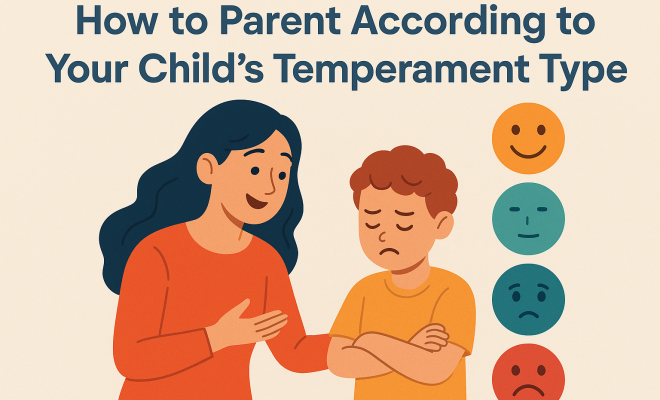
Understanding your child’s temperament is crucial to effective parenting. Each child is unique, exhibiting different emotional responses and ways to interact with the world. This article delves into the various temperament types and offers practical advice on how to tailor your parenting approach to align with your child’s inherent traits.
1. What Is Temperament?
Temperament refers to the inborn traits that determine how children interact with their environment. It encompasses characteristics such as mood, activity level, adaptability, and emotional intensity. Renowned psychologist Alexander Thomas and Stella Chess categorized children into different temperament types in their groundbreaking studies during the 1970s, which laid the foundation for understanding how temperament affects behavior and interactions.
The concept of temperament is vital in the field of child development. Recognizing your child’s specific temperament can help you understand their reactions to various situations and tailor your parenting strategies. Each child is born with a unique blend of temperament traits, making the approach to parenting by temperament not only beneficial but essential.
2. The Nine Temperament Types
According to Thomas and Chess, nine distinct temperament characteristics can influence a child’s behavior. These include activity level, rhythmicity, approach/withdrawal, adaptability, intensity of reaction, mood, persistence, distractibility, and sensory threshold. Here’s a closer look at these types:
- Activity Level: Refers to the amount of movement a child exhibits, from high-energy to low-energy levels.
- Rhythmicity: Describes how regular a child’s biological functions are, like sleeping and eating patterns.
- Approach/Withdrawal: Indicates how a child reacts to new situations, whether they tend to embrace or shy away from them.
- Adaptability: Measures how easily a child adjusts to changes or transitions.
- Intensity of Reaction: Refers to the strength of a child’s emotional responses, both positive and negative.
- Mood: Describes a child’s general demeanor, whether they are typically happy, sad, or somewhere in between.
- Persistence: Indicates how long a child will stick with a task, even when it gets challenging.
- Distractibility: Measures how easily a child can be distracted from a task.
- Sensory Threshold: Relates to how much sensory input a child can tolerate before becoming overwhelmed.
Identifying your child’s temperament traits can set the stage for effective parenting strategies tailored to their unique needs.
3. Understanding the Fit: Your Parenting Style and Your Child’s Temperament
The fit between your parenting style and your child’s temperament is critical. If there’s a mismatch, it can lead to frustration for both the child and the parent. For instance, a highly sensitive child may struggle with a parent whose style is more direct and assertive. Conversely, a spirited child may thrive under parents who are enthusiastic and engaging.
Research indicates that a good fit can lead to better emotional regulation, improved behavior, and a stronger parent-child bond. On the other hand, mismatched temperaments can result in increased conflict and behavioral issues. Understanding this dynamic can empower you to adapt your approach, ensuring that you respond effectively to your child’s needs.
4. Practical Insights for Parenting by Temperament
Once you’ve identified your child’s temperament type, the next step is to implement practical strategies tailored to those traits. Here are some suggestions:
- High Activity Level: For energetic children, incorporate physical activities into their daily routines. This can include sports, dance, or outdoor play. Allowing them to expend energy in constructive ways can minimize behavioral issues.
- Low Activity Level: Encourage engagement through stimulating games and activities that require more active participation. Create a balance between downtime and active play.
- High Sensitivity: Provide a calm and predictable environment to help these children feel secure. Validate their feelings and teach coping strategies for overwhelming situations.
- Low Sensitivity: Encourage exploration and risk-taking, as these children may be less affected by sensory overload. However, ensure they also understand limits and safety.
- High Intensity: Acknowledge their feelings and provide an outlet for their emotions. Teach them to express their feelings in constructive ways.
- Low Intensity: Engage them with activities that require emotional engagement, such as role-playing or storytelling.
Adapting your parenting strategies based on your child’s temperament can foster better communication and emotional connections, leading to a healthier parent-child relationship.
5. The Role of Routine in Temperament-Based Parenting
Establishing a routine is particularly beneficial for children with specific temperament traits. For instance, children who thrive on predictability generally respond well to structured environments. Creating a daily schedule can help minimize anxiety and build a sense of security.
On the other hand, children who are more adaptable may thrive in less structured environments. The key is to observe your child’s responses and adjust their routine accordingly. Balancing routine and flexibility allows you to cater to your child’s needs while still providing a sense of stability.
6. Communication Strategies for Different Temperament Types
Effective communication is paramount in parenting by temperament. Children respond differently depending on their temperament traits, so adjusting your communication style can enhance understanding. For example: (See: Understanding temperament in children.)
- For Introverted Children: Give them time to process their thoughts before responding. Encourage open discussions but respect their need for quiet time.
- For Extroverted Children: Engage them in conversations about their day, utilizing their enthusiasm to communicate effectively.
- For Sensitive Children: Use gentle language and validate their feelings, as harsh criticism can be overwhelming for them.
- For Bold Children: Offer clear, confident communication. Set boundaries and expectations firmly but kindly.
Tailoring your communication according to your child’s temperament fosters a deeper connection and helps them feel understood. There’s a fuller look at understanding parenting styles.
7. Positive Discipline Techniques Aligned with Temperament
Discipline should not be one-size-fits-all. Different temperament traits require different disciplinary approaches. For example, children with high persistence may benefit from consistent consequences, while those with low persistence might need more reinforcement to understand expectations.
Here are some discipline techniques that align with temperament types:
- Highly Sensitive Children: Use positive reinforcement rather than punitive measures. This encourages learning without the fear of failure.
- High-Intensity Children: Use calm, assertive discipline that addresses their behavior while validating their emotions. Teach them coping strategies for managing their intense feelings.
- Easygoing Children: Flexible discipline can work well; they often respond positively to gentle reminders and discussions about their behavior.
- Spirited Children: Implement clear boundaries while allowing them to express their opinions. Acknowledge their need for autonomy while ensuring they understand limits.
By aligning your discipline techniques with your child’s temperament, you create an environment where they can learn and grow positively.
8. Fostering Emotional Intelligence Through Temperament Awareness
Understanding your child’s temperament plays a significant role in fostering emotional intelligence. Emotional intelligence encompasses the ability to recognize and manage one’s emotions, empathize with others, and navigate social situations effectively. Children who feel understood and validated are more likely to develop these skills.
Parents can nurture emotional intelligence by:
- Modeling Emotional Awareness: Demonstrate how to express feelings appropriately, facing challenges with resilience.
- Encouraging Empathy: Teach children to recognize others’ emotions and respond compassionately, fostering healthier relationships.
- Providing Safe Spaces for Emotion: Allow children to express their emotions without judgment, helping them understand and manage their feelings.
As a parent, your responsiveness to your child’s emotional needs can significantly impact their development of emotional intelligence.
9. The Importance of Self-Care for Parents
Parenting according to temperament can be demanding and requires a level of understanding and adaptation that can be draining. Therefore, self-care is essential for parents to maintain their well-being and effectiveness. When parents feel balanced and fulfilled, they’re better equipped to meet their children’s needs.
Consider incorporating the following self-care practices:
- Regular Time for Yourself: Engage in activities that recharge your energy, whether it’s reading, exercising, or pursuing hobbies.
- Seek Support: Connecting with other parents can offer insights and emotional support. Consider joining parenting groups or forums.
- Mindfulness and Stress-Reduction Techniques: Practices like meditation and yoga can help you manage stress and remain calm when navigating parenting challenges.
By prioritizing self-care, you ensure that you’re in the best place to support your child’s development effectively.
10. Final Thoughts on Parenting by Temperament
Parenting by temperament offers a robust framework for understanding and supporting your child’s unique needs. By recognizing and adapting to their temperament traits, you not only enhance your child’s emotional and social development but also strengthen your relationship with them. The goal is to create a nurturing environment that allows each child to flourish, embracing their individuality while providing the guidance they need.
As you embark on this parenting journey, remember that every child is a work of art in progress. Your understanding of their temperament will shape not just their childhood but also the adults they will become. Embrace the process, and you’ll not only witness their growth but also your own as a parent.
11. Temperament and Different Parenting Styles
Understanding how temperament interacts with various parenting styles can enhance your effectiveness as a parent. The four primary parenting styles – authoritative, authoritarian, permissive, and uninvolved – each align differently with children’s temperament traits. (See: Research on temperament types.)
For example, an authoritative parenting style, characterized by warmth and structure, tends to work well with most temperament types, particularly with adaptable and easygoing children. However, children with high intensity or sensitivity may respond better to a more nurturing approach that emphasizes emotional validation. On the flip side, an authoritarian style may clash with spirited or bold children, who require more engagement and autonomy.
Recognizing the interplay between a child’s temperament and your parenting style allows you to adjust your approach for better results. This nuanced understanding can lead to a more harmonious home environment and promote overall well-being for both you and your child.
12. Real-Life Examples of Parenting by Temperament
Let’s look at some real-life scenarios that illustrate how understanding temperament can inform parenting decisions.
Imagine a spirited child, Alex, who is always on the go and loves to explore. His parents, recognizing his high activity level and bold nature, often take him on nature hikes and interactive adventures. They incorporate learning into these activities, allowing Alex to express his curiosity while maintaining structure and safety. Montessori parenting tips offers useful background here.
In contrast, consider a sensitive child, Maya, who often feels overwhelmed by loud noises and bustling environments. Her parents have created a cozy, quiet corner at home where she can retreat when she feels anxious. They prioritize calm activities like reading or art, helping Maya express herself without the stress of chaotic situations. By understanding Maya’s temperament, her parents have developed strategies that honor her emotional needs.
These examples highlight how tailoring parenting techniques to align with a child’s temperament can lead to positive outcomes and more effective parenting.
13. Statistics on Temperament and Child Development
Research on temperament and its impact on child development provides compelling insights. A study published in the Journal of Child Psychology and Psychiatry found that children with high adaptability exhibited greater emotional regulation, while those with low adaptability were more prone to anxiety and behavioral issues. Another research piece highlighted that children with a higher activity level benefit from increased physical activity opportunities, leading to improved mood and social skills.
Statistics show that parents who align their parenting strategies with their child’s temperament often report higher satisfaction in their parenting roles and more positive relationships with their children. According to a survey conducted by the American Psychological Association, 78% of parents who adapted their approaches based on temperament noted a decrease in conflicts and an increase in cooperative behavior.
14. Frequently Asked Questions about Parenting by Temperament
What are the signs of a child’s temperament type?
Signs of a child’s temperament type can be observed in their reactions to new experiences, their level of activity, and how they express emotions. For instance, a child who is wary of new situations may demonstrate a slow-to-warm-up temperament, while a child who dives into new activities with enthusiasm may be more adaptable.
How can I identify my child’s temperament?
Identifying your child’s temperament involves careful observation of their behavior across various situations. Pay attention to how they respond to change, their mood fluctuations, and their interactions with peers and adults. Additionally, consider using temperament assessment tools designed for parents, which can provide insights into different traits.
Can a child’s temperament change over time?
While a child’s temperament is relatively stable, it’s important to recognize that it can evolve with age and experience. Environmental factors, parenting styles, and social experiences all contribute to shaping a child’s temperament as they grow. For example, a shy child may become more outgoing as they gain confidence through supportive relationships. See also authoritative style overview.
How should I adapt my parenting if my child’s temperament differs from mine?
If your child’s temperament differs from yours, it’s essential to recognize and respect those differences. Adapt your expectations and communication style to better suit your child’s needs. For example, if you are more extroverted and your child is introverted, create opportunities for quiet time and validate their need for solitude.
Are there resources available for parents looking to understand temperament better?
Yes, several resources are available for parents interested in delving deeper into temperament. Books by experts in child psychology, such as “The Whole-Brain Child” by Daniel J. Siegel and Tina Payne Bryson, provide practical strategies for understanding different temperaments. Additionally, numerous online courses and parenting workshops focus on child development through the lens of temperament.
How can I support my child’s development based on their temperament?
Supporting your child’s development based on their temperament involves creating an environment that honors their unique traits. This may include providing appropriate challenges, encouraging emotional expression, and fostering resilience through experience. Adapt your expectations and parenting strategies to promote their growth in a way that feels natural to them.
15. Activities to Enhance Parenting by Temperament
Engaging in specific activities can also help parents understand and nurture their child’s temperament. Here are some tailored activities based on temperament types:
- High Activity Level: Organize playdates that encourage physical games, like tag or scavenger hunts. Sports teams can also be a great outlet for energy.
- Low Activity Level: Plan quiet afternoons with puzzles, board games, or crafts that entice them to engage without overwhelming them.
- High Sensitivity: Consider mindfulness or yoga classes designed for children, helping them learn to regulate their feelings and practice calming techniques.
- Low Sensitivity: Encourage adventurous activities like climbing or swimming, which may excite their exploration instincts while teaching them safety boundaries.
- High Intensity: Provide drama or art classes where they can channel their emotions creatively, offering them an outlet for self-expression.
- Low Intensity: Explore literature and storytelling. Shared reading sessions can stimulate their imagination while providing emotional connection.
By engaging in these activities, you can foster a deeper understanding of your child’s temperament and create opportunities for growth and bonding.
16. Long-Term Impact of Parenting by Temperament
The long-term effects of parenting by temperament can be profound. Research shows that children who receive support tailored to their temperament are more likely to develop strong self-esteem, effective emotional regulation, and positive social skills. They tend to navigate relationships better and handle life’s challenges with resilience.
For instance, children who grow up in an environment that respects their need for autonomy often develop better decision-making skills. Those who are given space to express their emotions in a supportive setting usually exhibit higher emotional intelligence in adulthood. This foundation helps them build strong interpersonal relationships and succeed in various life arenas.
17. Conclusion: Embracing Your Child’s Unique Temperament
Understanding and embracing your child’s temperament is a journey that can transform your parenting experience. By recognizing their unique traits and adapting your approach accordingly, you can foster a nurturing environment where your child can thrive. Remember that every child is different, and what works for one child may not work for another. Being flexible and open-minded allows you to evolve alongside your child, creating a strong, supportive relationship that will benefit both of you for years to come.
“`
Trending Now
Frequently Asked Questions
What are the different types of child temperament?
There are nine distinct temperament types identified by psychologists Thomas and Chess, including activity level, rhythmicity, approach/withdrawal, adaptability, intensity of reaction, mood, persistence, distractibility, and sensory threshold. Understanding these types can help tailor parenting strategies to better suit a child's unique traits.
How can I determine my child's temperament?
To determine your child's temperament, observe their behavior in various situations, noting their emotional responses, activity levels, and adaptability to change. Keep track of patterns in their reactions and interactions to identify which of the nine temperament types they may align with.
Why is understanding a child's temperament important?
Understanding a child's temperament is crucial because it helps parents tailor their parenting approaches to match the child's inherent traits. This can lead to more effective communication, better emotional support, and a stronger parent-child bond, ultimately promoting healthier development.
How do I adapt my parenting style to my child's temperament?
To adapt your parenting style to your child's temperament, first identify their specific traits. Then, modify your responses and strategies to align with their needs, such as providing more structure for a less adaptable child or allowing greater freedom for a high-energy child.
What is the role of temperament in child development?
Temperament plays a significant role in child development by influencing how children interact with their environment, respond to challenges, and form relationships. Recognizing and understanding these traits helps parents support their children's emotional and social growth effectively.
Have you experienced this yourself? We'd love to hear your story in the comments.