“How Transitional Kindergarten Prepares Children for Academic Success in Elementary School”
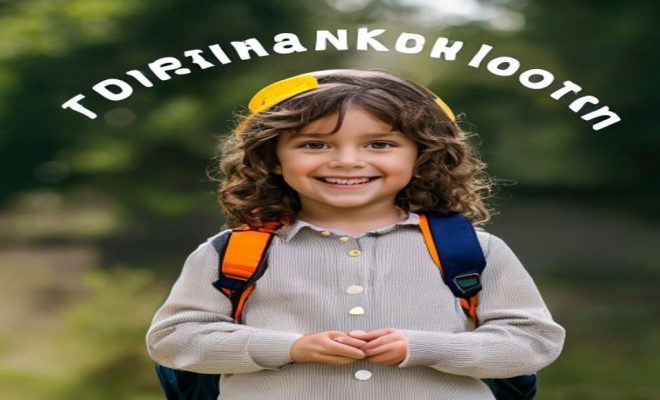
“`html
Understanding Transitional Kindergarten
Transitional kindergarten (TK) is an educational program designed as a bridge between preschool and traditional kindergarten. It caters to children who may not be quite ready for the more structured environment of kindergarten, often due to their age or developmental readiness. Typically, TK is aimed at children who turn five between September and December, allowing them an extra year of growth and learning before they enter standard kindergarten.
This innovative educational approach is gaining traction across the United States. Schools are starting to recognize that many children benefit greatly from an additional year of preparatory learning. The goal of TK is to cultivate foundational skills that will serve children well throughout their academic journeys, particularly in elementary school.
The Core Benefits of Transitional Kindergarten
Understanding the transitional kindergarten benefits can provide parents and educators with valuable insights into how TK can support children’s early learning experiences and set them up for future success. For more on this, see Quality in Universal Preschool.
1. Enhanced Social Skills
One of the key transitional kindergarten benefits is the emphasis on developing social skills. During TK, children are immersed in group activities where they learn essential social competencies such as sharing, cooperation, and conflict resolution. For instance, engaging in collaborative projects allows children to negotiate roles and responsibilities, thereby honing their communication skills.
These early interactions are crucial as they help children to build friendships and become more comfortable in social situations. By the time they transition to kindergarten, they are typically more adept at engaging with peers, which can lead to improved classroom dynamics and overall happiness in school.
2. Academic Readiness
Transitional kindergarten programs are designed to bridge the gap between preschool and kindergarten curricula. This makes them crucial for academic readiness. In TK, children are introduced to foundational concepts in literacy, numeracy, and general knowledge at a pace suited to their developmental stage.
Studies show that children who attend TK often demonstrate stronger early literacy and math skills compared to their peers who start kindergarten without this extra year. This academic preparation helps children tackle the more rigorous expectations of elementary school with confidence.
3. Individualized Learning Experiences
In transitional kindergarten, educators are trained to recognize and adapt to the varied learning styles and paces of young children. This individualized approach allows teachers to tailor lessons that align with each child’s unique needs, ensuring that no one is left behind.
For instance, if a child excels in storytelling but struggles with numbers, the curriculum can be adjusted to integrate math concepts into narrative formats. This flexibility not only enhances understanding but also keeps children engaged in their learning.
4. Emotional Development
Children in transitional kindergarten often experience significant emotional growth. As they navigate new social settings, they learn to manage their feelings and develop resilience. Educators often integrate activities that promote emotional intelligence, such as role-playing and group discussions about feelings.
This emotional development is crucial for long-term success. Children who can articulate their emotions and empathize with others are more likely to thrive in the collaborative environment of elementary school.
5. Smooth Transition to Kindergarten
One of the most significant transitional kindergarten benefits is the smoother transition it offers to standard kindergarten. By participating in TK, children are exposed to a structured school environment before they enter the more formal setting of elementary school.
This gradual acclimatization helps lessen anxiety and apprehension that can accompany the transition to kindergarten. Familiarity with school routines, expectations, and social dynamics equips children with the tools they need to feel secure and confident when they start their formal education. (See: Transitional Kindergarten Overview.)
6. Parental Involvement and Support
Transitional kindergarten programs often encourage parental involvement, which can enhance a child’s learning experience. Parents are invited to participate in classroom activities, workshops, and parent-teacher conferences. This partnership fosters a home-school connection that is vital for children’s success.
When parents engage actively in their child’s education, it reinforces the importance of learning and helps children feel supported both at school and home. This connection can be especially beneficial for parents, as they gain insights into their child’s developmental milestones and learning styles. There’s a fuller look at engaging SEL activities.
7. Long-Term Academic Success
Numerous studies have demonstrated that the benefits of transitional kindergarten extend beyond early years. Research indicates that children who attend TK are more likely to perform better academically in later grades. They often show higher test scores in reading and math and have lower rates of retention in grade.
This long-term academic success can be attributed to the solid foundation built during transitional kindergarten. By nurturing essential skills and emotional resilience early on, TK sets children on a path to excel throughout their educational journey.
Current Trends in Transitional Kindergarten
The implementation of transitional kindergarten is growing, with many states recognizing its importance. In California, for instance, TK has been integrated into the public school system, making it available to all eligible children. This shift reflects a broader understanding of childhood development and the need for tailored educational experiences.
As more parents become aware of the transitional kindergarten benefits, interest in these programs is surging. Schools are increasingly adapting their curricula to include a TK component, providing opportunities for children to acquire skills that will support their lifelong learning.
Challenges and Considerations
While the benefits of transitional kindergarten are clear, there are challenges that schools and parents face in implementing these programs effectively. Funding can be a significant barrier, as establishing and maintaining TK programs requires resources for training, materials, and facilities.
Additionally, some parents may feel unsure about whether their child would benefit from TK or if it’s merely an extension of preschool. It’s essential for parents to understand that TK is not just additional childcare; it’s a structured educational experience designed to prepare children for future academic success.
How to Choose the Right Transitional Kindergarten Program
If you’re considering enrolling your child in a transitional kindergarten program, here are some factors to consider:
- Curriculum: Look for programs that offer a well-rounded curriculum focusing on social, emotional, and academic development.
- Teacher Qualifications: Ensure that teachers are trained in early childhood education and have experience working with young children.
- Class Size: Smaller class sizes can lead to more personalized attention and better student outcomes.
- Parental Involvement Opportunities: Check if the program encourages parental participation, as this can enhance the learning experience for your child.
- Location and Accessibility: Consider the program’s location and whether it fits into your family’s schedule and transportation options.
Personal Stories: Successes in Transitional Kindergarten
To truly appreciate the transitional kindergarten benefits, consider the stories of children and families who have experienced success in these programs. For example, a parent from California shared how their child, initially shy and hesitant, blossomed in TK. With the support of caring educators, the child developed self-confidence, made friends, and gained a love for learning that persisted into later school years.
Another family noted that their son struggled with basic motor skills before entering TK. Through targeted activities and encouragement, he made remarkable progress. By the time he reached kindergarten, he was not only ready academically but also excited to participate in school.
The Future of Transitional Kindergarten
As awareness grows about the transitional kindergarten benefits, the future looks promising. More educators, policymakers, and parents are advocating for the expansion of TK programs, recognizing their vital role in laying a solid foundation for children’s lifelong learning.
The ongoing research into childhood development will likely continue to inform and improve transitional kindergarten curricula, ensuring that these programs meet the ever-changing needs of young learners. By investing in transitional kindergarten today, we set the stage for a generation of students who are better prepared for the challenges and opportunities that lie ahead.
Comparative Analysis: Transitional Kindergarten vs. Traditional Kindergarten
While traditional kindergarten serves a crucial role in early childhood education, transitional kindergarten offers a unique approach tailored for younger children or those who need a bit more time to adjust. Understanding how TK differs from traditional kindergarten can help parents make informed decisions. (See: Early Childhood Development Insights.)
One notable difference is the age cutoff. Traditional kindergarten often requires children to turn five by a specific date, whereas TK allows for a wider age range, accommodating kids who may not be ready for kindergarten yet. This flexibility is beneficial, as it helps ensure that children are developmentally prepared for the academic challenges ahead.
In terms of curriculum, TK often incorporates play-based and hands-on learning experiences, which are vital for young children. Traditional kindergarten may have stricter academic expectations, which can sometimes overwhelm children who are not ready. For example, while traditional kindergarten might emphasize standardized testing early on, TK focuses on experiential learning, helping children explore concepts through play and social interaction.
Furthermore, class sizes in TK programs are often smaller, allowing for more individualized attention from teachers. This personalization can be essential for children needing extra support in specific areas, ensuring they receive the guidance necessary to thrive.
Statistics on Transitional Kindergarten Effectiveness
Research has consistently highlighted the benefits of transitional kindergarten. A study by the National Institute for Early Education Research found that children who participate in TK are significantly more likely to demonstrate school readiness compared to their peers in traditional kindergarten programs. For instance, children in TK showed a 20% increase in literacy skills and a 15% increase in math skills by the end of their first year in formal schooling.
Additionally, a report from the American Educational Research Association indicated that students who attended TK had a 25% lower likelihood of being placed in special education services later on. This statistic underscores the importance of early intervention and support, which TK provides effectively. full-day preschool benefits offers useful background here.
Expert Perspectives on Transitional Kindergarten
Experts in early childhood education emphasize the value of transitional kindergarten. Dr. Linda Darling-Hammond, a prominent education researcher, advocates for TK, stating that “providing children with a rich early learning experience is essential for their long-term academic success.” She notes that the skills acquired during TK help prepare children not just for kindergarten, but for the entire educational journey ahead.
Moreover, educators like Dr. Susan B. Neuman highlight that “the social and emotional skills cultivated in transitional kindergarten are just as important as academic skills.” This perspective helps validate the multi-faceted approach of TK, which nurtures children in various developmental domains.
FAQ: Transitional Kindergarten Benefits
What is the main purpose of transitional kindergarten?
The main purpose of transitional kindergarten is to provide children who are not quite ready for traditional kindergarten with an additional year to grow socially, emotionally, and academically. It acts as a bridge between preschool and kindergarten, ensuring a smoother transition into formal schooling.
How does transitional kindergarten differ from preschool?
Transitional kindergarten is more structured than preschool and focuses on preparing children for the academic demands of kindergarten. While preschool emphasizes play and exploration, TK incorporates a curriculum that includes early literacy and math skills, fostering a more formal learning environment.
How can I tell if my child would benefit from transitional kindergarten?
Consider your child’s social, emotional, and academic readiness. If your child is shy, struggles with basic skills like sharing or taking turns, or is not yet developmentally ready for the expectations of kindergarten, they may benefit from the additional support offered in TK.
Are transitional kindergarten programs available everywhere?
While TK programs are growing in popularity, their availability can vary by location. Some states have implemented statewide TK programs, while others may have limited options. It’s essential to research local schools to find out what programs are offered in your area.
What kind of skills will my child learn in transitional kindergarten?
Children in transitional kindergarten will learn foundational academic skills such as literacy and math, but they will also develop essential social skills, emotional regulation, and problem-solving abilities. TK curricula often include play-based learning, allowing children to explore and discover concepts actively.
Can transitional kindergarten help my child with special needs?
Yes, transitional kindergarten can be beneficial for children with special needs, as it provides a nurturing environment with individualized attention. Teachers in TK are trained to recognize diverse learning needs, allowing them to implement strategies that support all children effectively.
How can I prepare my child for transitional kindergarten?
To prepare your child for TK, engage in activities that promote social skills, such as playdates and group activities. Encourage independence by allowing them to make choices and solve problems. Reading together can also help develop a love for learning and foundational literacy skills.
Expanding on Transitional Kindergarten Benefits
Transitional kindergarten not only supports the immediate academic and social development of children but also lays a groundwork that can yield long-lasting benefits. These advantages can influence various aspects of a child’s life, including their mental health, future academic endeavors, and overall well-being.
8. Fostering a Love for Learning
Transitional kindergarten programs are often designed to inspire curiosity and foster a love for learning through engaging activities. By using a play-based approach, children can explore new concepts in a less intimidating environment. For example, hands-on science experiments or interactive storytelling sessions can spark interest in subjects that may seem daunting later on. This early enthusiasm for learning is critical; studies show that children who enjoy school in their early years are more likely to maintain positive attitudes toward education in the long term.
9. Building Cognitive Skills
Effective TK programs focus on developing cognitive skills through structured play and guided exploration. Activities that promote critical thinking, problem-solving, and creativity are integral to the curriculum. For example, children may engage in puzzles or games that require them to think strategically, enhancing their cognitive abilities as they work through challenges with their peers. Research indicates that these cognitive skills are directly correlated with future academic success, making TK an essential stepping stone for young learners.
10. Preparing for Diverse Learning Environments
Children in transitional kindergarten are often better prepared to navigate diverse learning environments. In TK, children may interact with peers from various backgrounds, learning to appreciate differences and work with others in inclusive settings. This exposure can enhance their cultural competence and adaptability, skills that are increasingly valuable in today’s global society. As they move on to higher grades, children with these experiences tend to be more open-minded and collaborative, contributing positively to their future classrooms.
11. Addressing Developmental Delays Early
Transitional kindergarten provides a unique opportunity to identify and address developmental delays before children enter the more academically rigorous environment of traditional kindergarten. Educators trained in early childhood development can assess children’s skills in literacy, numeracy, and social interactions. Early identification allows for timely interventions, which can be critical in helping children catch up to their peers. Research suggests that early intervention can significantly improve outcomes for children, particularly those with learning disabilities or speech delays.
12. Supporting Mental Health
Transitional kindergarten can also play a crucial role in supporting children’s mental health. By providing a nurturing environment where children feel safe and valued, TK programs help mitigate anxiety and behavioral issues that may arise during the transition to school. The social-emotional skills learned in TK contribute to resilience, enabling children to cope better with stress and challenges as they grow older. Parents often report that their children who attended TK display greater emotional stability and confidence when facing new situations.
Parental Resources for Transitional Kindergarten
If you’re considering TK for your child, there are many resources available to help you navigate this decision. Here are some useful avenues:
- Local Education Agencies: Many local education agencies offer information sessions about transitional kindergarten, including eligibility requirements and program specifics.
- Parent Support Groups: Joining a parent support group can provide insights from other families who have gone through the TK experience. These groups often share valuable advice and resources.
- Online Forums and Communities: Websites like Parenting.com or local Facebook groups can be excellent resources for connecting with other parents and exchanging information about TK programs.
- Educational Workshops: Many community centers and libraries offer workshops on early childhood development that can help you understand the benefits of TK and prepare your child for the transition.
Conclusion
The journey through early childhood education is a pivotal one, and transitional kindergarten plays a critical role in shaping a child’s future. By addressing social, emotional, and academic skills in a supportive environment, TK provides numerous benefits that last a lifetime. As you consider your options for your child’s education, keep in mind the lasting advantages that transitional kindergarten offers, equipping your child with the tools they need to succeed in school and beyond. (successful digital learning initiatives)
“`
Trending Now
Frequently Asked Questions
What is the purpose of Transitional Kindergarten?
Transitional Kindergarten (TK) serves as a bridge between preschool and traditional kindergarten, catering to children who may not be ready for the more structured environment of kindergarten. It helps children develop foundational skills necessary for academic success, particularly for those who turn five between September and December.
How does Transitional Kindergarten improve social skills?
TK emphasizes social skill development through group activities that teach children essential competencies like sharing, cooperation, and conflict resolution. These early interactions help children build friendships and become more comfortable in social situations, leading to better classroom dynamics when they transition to kindergarten.
What are the benefits of enrolling a child in Transitional Kindergarten?
Enrolling a child in Transitional Kindergarten offers benefits such as enhanced social skills, improved academic readiness, and a supportive learning environment. It provides an additional year for children to grow and learn, setting a solid foundation for their future academic journeys.
Who is Transitional Kindergarten designed for?
Transitional Kindergarten is primarily designed for children who turn five between September and December. It targets those who may need additional time to develop the necessary skills and confidence before entering traditional kindergarten, ensuring they are better prepared for academic success.
How does Transitional Kindergarten prepare children for elementary school?
Transitional Kindergarten prepares children for elementary school by focusing on both academic readiness and social skills. The program cultivates foundational skills, allowing children to adjust more easily to the structured environment of elementary school and fostering long-term academic success.
What did we miss? Let us know in the comments and join the conversation.