How to grill steak perfectly
“`html
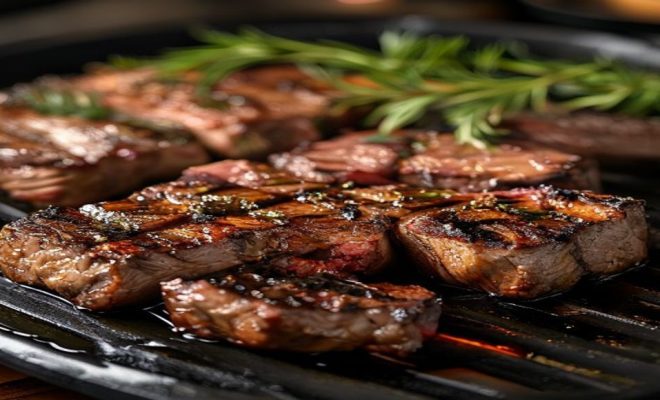
Grilling steak is a revered culinary art, one that brings together flavor and technique in a way that few other foods can match. Whether you’re a novice or a seasoned grill master, understanding the nuances of achieving a perfectly grilled steak can transform your outdoor cooking game. In this article, we delve into the ten essential tips that will ensure your steaks not only impress your friends and family but also elevate your grilling skills to new heights.
1. Select the Right Cut: Choosing Quality Meat
The journey to a perfectly grilled steak begins with the selection of the right cut of meat. Popular cuts include ribeye, filet mignon, porterhouse, and T-bone, each offering unique textures and flavors. Ribeye is celebrated for its marbling and rich flavor, while filet mignon is known for tenderness. Understanding these characteristics will help you choose the right steak for your grilling needs.
When purchasing steak, opt for high-quality beef. Look for USDA Prime or Choice grades, which indicate a higher level of marbling and flavor. Grass-fed beef is a great option for those who prioritize flavor and sustainability, while grain-fed beef often has a more tender texture. Take the time to speak with your butcher about your preferences; they can provide insights and recommendations based on the quality of their cuts.
Additionally, consider exploring lesser-known cuts that can offer a unique flavor experience, such as flank steak, hanger steak, or skirt steak. These cuts often come at a lower price point and can be incredibly delicious when grilled correctly. Each has its own distinctive profile and can be used in various recipes beyond just grilling.
2. Let Your Steak Reach Room Temperature: The Importance of Prepping
Before you even light the grill, it’s crucial to allow your steak to reach room temperature. Taking the steak out of the fridge about 30 to 60 minutes before you plan to grill it is ideal. This step ensures that your steak cooks evenly, preventing the outer layers from becoming overcooked while the inside remains undercooked.
Allowing the steak to warm up also aids in developing a beautiful crust during grilling. A cold steak placed on a hot grill may result in significant moisture loss, leading to a less juicy final product. A room-temperature steak, in contrast, sears beautifully, sealing in those flavorful juices.
Moreover, consider the environment where you’re grilling. If you’re in a colder climate, the temperature difference between the steak and the grill may require you to adjust your cooking time slightly. Always keep an eye on how the steak is cooking, especially during the initial moments on the grill.
3. Season Generously: The Right Balance of Flavor
When it comes to seasoning steak, less is often not more. The right amount of seasoning enhances the natural flavors of the meat. A simple combination of kosher salt and freshly cracked black pepper can work wonders, ensuring that the steak’s inherent taste shines through.
For those who wish to experiment, consider adding garlic powder, onion powder, or your favorite herbs. Rub your seasoning generously over both sides of the steak. Remember, the salt will help to draw out moisture, creating a brine that infuses flavor into the meat. Allow the seasoned steak to sit for at least 15 minutes before grilling to let the flavors penetrate.
It can also be useful to experiment with dry rubs or spice blends. A blend of smoked paprika, cayenne pepper, and brown sugar can add a delightful kick to your steak. Just be cautious with the amounts; the goal is to enhance, not overpower the meat. Some grillers even opt for brining their steak in a saltwater solution for several hours before cooking to boost flavor and tenderness.
4. Preheat the Grill: Setting the Stage
One of the most critical steps in achieving a perfectly grilled steak is preheating your grill. Whether you’re using a charcoal or gas grill, getting the temperature right before you put your steak on is non-negotiable. Aim for high heat, around 450°F to 500°F, to create that mouthwatering crust.
For gas grills, turn all burners to high and close the lid for about 15 minutes. For charcoal, allow the coals to reach a bright red glow and be covered in ash to ensure even heat. If you have a two-zone setup, you can create a hot side for searing and a cooler side for cooking through. This technique gives you more control over the cooking process. (See: How to grill steak guide.)
Keep in mind that the type of grill you use can also affect the cooking process. Infrared grills can reach higher temperatures faster, allowing for a quicker sear. If you’re using a smoker grill, the added wood smoke can enhance the flavor profile of your steak, but you may need to adjust your cooking times accordingly.
5. Use the Right Grilling Technique: Direct vs. Indirect Heat
Understanding grilling techniques is crucial for achieving the ideal doneness while maintaining flavor and juiciness. Direct heat grilling is perfect for steaks, as it produces that sought-after sear that locks in moisture. Position your steak directly over the flames and leave it undisturbed for a few minutes.
If you’re aiming for a thicker cut or prefer it cooked medium or well-done, consider using indirect heat. Sear the steak on high heat for a few minutes on each side, then move it to a cooler part of the grill to finish cooking. This method reduces the risk of burning and helps ensure even cooking throughout.
It’s also essential to practice patience during the grilling process. Constantly flipping the steak can prevent a proper sear from forming. Instead, let it develop a crust before flipping it to the other side. Giving it that time not only enhances flavor but also adds to the overall juiciness of your steak.
6. Monitor Internal Temperature: The Key to Doneness
Cooking steak to the right level of doneness is essential for ensuring it’s both safe and enjoyable to eat. Use a reliable meat thermometer to check the internal temperature, which can take some guesswork out of the equation. Below are the general temperature guidelines for steak:
- Rare: 120°F to 125°F
- Medium Rare: 130°F to 135°F
- Medium: 140°F to 145°F
- Medium Well: 150°F to 155°F
- Well Done: 160°F and above
Keep in mind that the steak will continue to cook for a few minutes after being removed from the grill due to carryover cooking. For example, if you’re aiming for medium rare, pull it off the grill at around 130°F and let it rest for a few minutes.
Different cuts of steak may also require different cooking approaches. For instance, a tenderloin cooks more quickly than a skirt steak, which is often tougher and benefits from a longer cooking time. Familiarizing yourself with these nuances can help you achieve the desired doneness while maintaining tenderness.
7. Let Your Steak Rest: The Final Step to Perfection
After the grilling is complete, resist the urge to slice into your steak immediately. Allow it to rest for 5 to 10 minutes. Resting lets the juices redistribute throughout the meat, enhancing flavor and tenderness. If you cut into the steak too early, those precious juices will run out, leaving you with a drier piece of meat.
Cover the steak loosely with aluminum foil during the resting period to keep it warm. This simple step truly makes a difference in the final product, turning a good steak into a perfectly grilled steak that melts in your mouth.
Additionally, consider using this resting time to prepare any finishing touches, such as slicing fresh herbs or mixing a quick sauce. You can create a compound butter to top your steak for an added layer of flavor. Combine softened butter with herbs, garlic, and a bit of lemon juice, then place it on top of the resting steak for a luxurious finish.
8. Experiment with Marinades: Adding Depth of Flavor
While seasoning with salt and pepper is a classic approach, don’t shy away from marinades. Marinades can introduce complex flavors and tenderize tougher cuts of meat. A simple marinade can consist of olive oil, acid (like vinegar or citrus juice), and your choice of herbs and spices.
For best results, marinate your steak for at least 30 minutes, but avoid marinating for too long—over-marinating can lead to a mushy texture. Aim for a balance of acidity and oil, allowing the flavors to penetrate without overpowering the meat’s natural taste.
Consider experimenting with different flavor profiles based on the cuisine you enjoy. For a Mediterranean twist, try a marinade with olive oil, lemon juice, garlic, and oregano. For an Asian-inspired flavor, a mix of soy sauce, sesame oil, and ginger can make for a delicious steak. The key is to create a harmony of flavors that complement the beef without masking its natural essence.
9. Pairing Sides and Sauces: Completing the Meal
The right sides and sauces can elevate your perfectly grilled steak to a whole new level. Consider grilled vegetables, a fresh salad, or classic sides like mashed potatoes or coleslaw. Grilled corn on the cob pairs beautifully with steak, providing a sweet contrast to the savory meat. (See: Healthy eating guidelines.)
As for sauces, think about classic options like chimichurri or a rich mushroom sauce. Be cautious not to overpower the flavors of the steak; a drizzle of a flavorful sauce can enhance the taste without masking it. Experiment with different combinations to find what ideally complements your grilling efforts.
It’s also worth exploring various wine pairings, as the right wine can further enhance your dining experience. For instance, a bold Cabernet Sauvignon or a Malbec can complement the rich flavors of a grilled ribeye. If you’re having a leaner cut, like filet mignon, a Pinot Noir might be a better match. Understanding these pairings can add an extra touch of sophistication to your grilled steak experience.
10. Enjoy the Process: Engaging with Your Craft
Finally, remember that grilling is as much about enjoying the process as it is about the final product. Engage with the techniques, experiment with flavors, and don’t be afraid to make mistakes. Each grilling session is an opportunity to learn something new, whether it’s a fresh seasoning, a different cut of meat, or a new cooking method.
Invite friends or family to join you, sharing tips and techniques along the way. The joy of grilling extends beyond the taste of the perfectly grilled steak; it’s about creating memories, sharing experiences, and fostering connections over the grill. Every perfectly grilled steak becomes a shared celebration of flavor and camaraderie.
11. Advanced Grilling Techniques: Taking Your Skills to the Next Level
Once you’ve mastered the basics, consider diving into advanced grilling techniques that can further enhance the flavor and presentation of your perfectly grilled steak. Techniques such as reverse searing and sous-vide cooking can yield exceptional results.
Reverse searing involves cooking the steak at a lower temperature first and then finishing it with a high-heat sear. This method allows for even cooking and a delicious crust without the risk of overcooking. Additionally, sous-vide cooking offers precise temperature control, ensuring that your steak is cooked perfectly from edge to edge before you sear it on the grill for a flavorful finish.
12. Grilling Tools and Equipment: Gear Up for Success
Your grilling success often relies on the right tools and equipment. Invest in a good quality meat thermometer—digital ones provide quick and accurate readings. A set of long-handled tongs is essential for flipping steaks without piercing the meat and losing valuable juices. A sturdy grill brush is crucial for maintaining a clean cooking surface, which can impact flavor and even cooking.
Consider utilizing grill mats, which help prevent sticking and are perfect for cooking smaller items. If you enjoy adding smoke flavor, a smoker box or wood chips can elevate your steak with delightful smoky notes. The right tools can make the grilling process smoother and more enjoyable.
13. Frequently Asked Questions (FAQs)
What’s the best way to tell if my steak is done without a thermometer?
While a thermometer is the most accurate method, you can use the “touch test.” Press the steak with your finger or tongs; a rare steak will feel soft, medium will have some resistance, and well-done will feel firm. However, using a thermometer is always the best practice.
How do I fix a steak that’s overcooked?
If you find that your steak has been overcooked, consider slicing it into thin strips and using it in a sauce or as a topping for a salad. Adding moisture with a sauce or serving it with a flavorful compound butter can also help revive some of the juiciness.
Should I oil the grill grates or the steak?
Oiling the steak is generally the preferred method, as it helps to create a nice sear while preventing sticking. If you choose to oil the grill grates, be careful not to use too much, as it can cause flare-ups. (See: Harvard University resources.)
Can I grill frozen steak?
While it is not ideal to grill frozen steak, it can be done. Make sure to cook it at a lower temperature for longer periods to ensure it cooks evenly. For best results, always thaw steak in the refrigerator before grilling.
What should I do if my steak is tough?
If your steak turns out tough, it may be due to the cut or cooking method. Consider marinating tougher cuts before grilling, or slice the steak against the grain after cooking to enhance tenderness. Also, resting the steak after grilling can help with tenderness.
How can I enhance the flavor of my grilled steak?
Enhancing flavor can be achieved through various means—experiment with different marinades, seasonings, and even wood types used for grilling. Adding a squeeze of lemon or a sprinkle of fresh herbs just before serving can also brighten the flavor.
How long should I marinate steak?
Marinating time can vary based on the cut and marinade used. Generally, 30 minutes to 2 hours is sufficient for most steaks, while tougher cuts can benefit from longer marination, up to 12 hours. Just avoid marinating too long, as it can lead to a mushy texture.
14. Grilling Safety Tips: Keeping Your Cookout Safe
While focusing on how to achieve a perfectly grilled steak, don’t overlook grilling safety. Always place your grill on a stable surface away from flammable materials. Keep a spray bottle of water nearby to manage flare-ups and ensure you have a fire extinguisher accessible in case of emergencies.
When handling raw meat, maintain good hygiene to prevent cross-contamination. Use separate cutting boards for meats and vegetables, and wash your hands thoroughly after handling raw steak. Cooking steak to the appropriate temperature not only enhances flavor but also ensures it is safe to consume.
15. Understanding Flavor Profiles: The Science Behind the Sizzle
Grilling steak isn’t just about technique; it’s also about understanding flavor profiles. The Maillard reaction, which occurs when proteins and sugars in the meat are exposed to high heat, is what gives grilled steak its rich, savory flavor. This reaction is crucial for achieving that perfect crust while maintaining juiciness within. The quality of ingredients you use, including the type of wood for smoking or the spices in your marinade, plays a significant role in the final flavor outcome.
Additionally, consider the impact of resting your steak after cooking. This process allows the juices to redistribute throughout the meat, enhancing its flavor and texture. The flavor compounds that develop during cooking continue to evolve as the meat rests, resulting in a steak that is not only tender but bursting with flavor.
Grilling steak is truly an art form that combines technique, flavor, and personal flair. With these tips and techniques in hand, you’re well on your way to mastering the craft of grilling, ensuring that each perfectly grilled steak is not just a meal, but an experience to savor.
“`
Trending Now
Frequently Asked Questions
What is the best cut of steak for grilling?
The best cuts for grilling include ribeye, filet mignon, porterhouse, and T-bone. Ribeye is favored for its marbling and rich flavor, while filet mignon is known for its tenderness. Each cut offers unique textures and flavors, so select based on your personal preference and the grilling method.
How long should steak sit out before grilling?
It's recommended to let your steak sit out for about 30 to 60 minutes before grilling. Allowing it to reach room temperature ensures more even cooking and helps achieve that perfect sear on the grill.
Should I choose grass-fed or grain-fed beef for grilling?
Choosing between grass-fed and grain-fed beef depends on your priorities. Grass-fed beef typically offers richer flavor and sustainability, while grain-fed beef tends to be more tender. Both can be delicious, so it comes down to personal taste.
What is the importance of marbling in steak?
Marbling refers to the fat interspersed within the muscle of the steak. It enhances flavor and juiciness, making the steak more tender when cooked. Higher marbling levels, typically found in USDA Prime cuts, are ideal for grilling.
What are some lesser-known cuts of steak for grilling?
Lesser-known cuts like flank steak, hanger steak, and skirt steak can offer unique flavors and are often more affordable. These cuts can be incredibly delicious when grilled properly and can be used in various recipes beyond traditional grilling.
Agree or disagree? Drop a comment and tell us what you think.