How to make mayonnaise
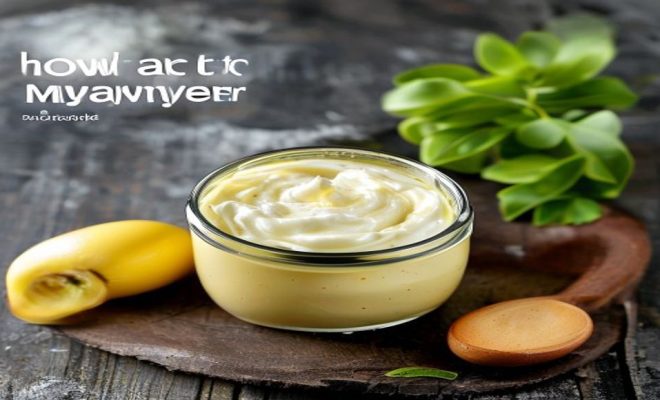
“`html
Mayonnaise is a staple condiment found in kitchens around the world. It adds creaminess and flavor to sandwiches, salads, and dips, but have you ever considered making it yourself? If you’re curious about how to make mayonnaise, you’re in for a delightful culinary experience. In this comprehensive guide, we’ll explore the history, the science, and the practical steps to whip up your own batch of homemade mayonnaise.
1. The History of Mayonnaise
Mayonnaise has a rich and somewhat debated history. Its origins are often traced back to the mid-18th century in France. The name is thought to derive from the city of Mahón in Menorca, Spain, where a sauce was created by a French chef after a successful military campaign. As the sauce spread across Europe, various countries began putting their own spin on it.
Over the decades, mayonnaise has evolved into a versatile ingredient that transcends culinary borders. In the United States, it became popular in the late 19th century, coinciding with the rise of industrial food production. Today, it’s hard to imagine a picnic or barbecue without it, often being mixed into potato salads, coleslaws, and even as a base for other sauces.
2. Understanding the Ingredients
When it comes to learning how to make mayonnaise, understanding its main ingredients is crucial. The basic recipe consists of just three key components: oil, egg yolk, and an acid (like vinegar or lemon juice). Each ingredient plays a vital role in the emulsification process that gives mayonnaise its signature creaminess.
The oil serves as the primary fat source and contributes to the rich texture. Common choices include canola, olive, or even avocado oil. The egg yolk not only provides flavor but also contains lecithin, a natural emulsifier that helps bind the oil and water-based components together. Lastly, the acid adds a tangy flavor and stabilizes the emulsion, preventing separation.
3. Tools You’ll Need
Before diving into how to make mayonnaise, ensure you have the right tools on hand. While you can make mayonnaise by hand with a whisk, having a few helpful gadgets can simplify the process.
- Mixing Bowl: A medium-sized bowl works best, and if you’re whisking by hand, a sturdy bowl is essential.
- Whisk or Electric Mixer: A whisk is perfect for small batches, while an immersion blender or food processor can speed things up significantly.
- Measuring Cups and Spoons: Precision is key, especially when measuring the oil and acid.
- Saucepan: If you prefer to use a double boiler method, a small saucepan will be required to gently heat the ingredients.
4. Basic Mayonnaise Recipe
Now that you’re equipped with knowledge and tools, let’s get to the practical part: how to make mayonnaise. Here’s a simple recipe to get you started:
Ingredients:
- 1 large egg yolk
- 1 tablespoon Dijon mustard
- 1 tablespoon white wine vinegar or lemon juice
- 1 cup oil (canola, olive, or avocado)
- Salt to taste
Instructions: (See: Wikipedia entry on mayonnaise.)
- In a mixing bowl, combine the egg yolk, mustard, and vinegar or lemon juice. Whisk together until smooth.
- Begin adding the oil slowly, drop by drop, while continuously whisking. This is crucial for creating the emulsion.
- As the mixture begins to thicken, you can gradually increase the oil’s flow while whisking.
- Once all the oil is incorporated, season with salt to taste and adjust acidity if needed.
- Transfer to a jar and refrigerate for up to one week.
5. Tips for Perfect Mayonnaise
Even with a straightforward recipe, making mayonnaise can have its challenges. Here are some tips to ensure your mayonnaise turns out perfect every time:
- Room Temperature Ingredients: Ensure all your ingredients are at room temperature. Cold ingredients can inhibit emulsification.
- Slow and Steady Wins the Race: Adding oil too quickly can cause the mayonnaise to break. Patience is key.
- Use Fresh Ingredients: Fresh eggs create a richer flavor and better emulsion. If possible, use organic eggs.
- Don’t Overmix: Once the mayonnaise has thickened, stop whisking. Overmixing can lead to a grainy texture.
6. Common Mistakes to Avoid
While learning how to make mayonnaise, you might encounter a few pitfalls. Here are common mistakes and how to avoid them:
- Wrong Oil Choice: Using a strongly flavored oil, like extra virgin olive oil, can overpower the mayonnaise. Stick to neutral oils for the best results.
- Inadequate Whisking: Insufficient whisking can result in a failed emulsion. Make sure to whisk vigorously and continuously until the mixture thickens.
- Incorrect Ratios: Striking the right balance between oil and egg yolk is crucial. Too little oil can yield a thin mayonnaise, while too much can cause separation.
7. Creative Variations of Mayonnaise
Once you’ve mastered the classic recipe, you can quickly branch out into creative variations. Here are a few ideas to inspire you:
- Garlic Aioli: Add minced garlic to your mayonnaise for a flavorful twist. This works beautifully as a sandwich spread or dipping sauce.
- Spicy Sriracha Mayo: Mixing in Sriracha or your favorite hot sauce can give your mayonnaise a fiery kick, perfect for burgers or sushi.
- Herb-Infused Mayonnaise: Incorporate fresh or dried herbs like dill, basil, or chives to add flavor, making it great for salads or seafood dishes.
- Smoked Paprika Mayonnaise: Add smoked paprika for a unique flavor profile that complements grilled meats and roasted vegetables.
- Curry Mayonnaise: Mixing a teaspoon of curry powder into your mayonnaise can give it an exotic flair, perfect for sandwiches or as a dip.
8. The Health Benefits of Homemade Mayonnaise
One of the most appealing aspects of learning how to make mayonnaise is knowing exactly what goes into it. Homemade mayonnaise allows you to control the ingredients, making it a healthier option compared to store-bought versions that often contain preservatives, artificial flavors, and unhealthy oils.
By using high-quality oils and fresh eggs, you can create a condiment rich in healthy fats and devoid of additives. Plus, you can adjust the acidity and seasoning to your taste preferences, making it not only healthier but also more delicious.
Additionally, homemade mayonnaise has been noted for its advantages in nutrition. For instance, olive oil, when used, can provide beneficial monounsaturated fats that help lower bad cholesterol levels, and eggs offer a good source of protein and essential vitamins.
9. Storing and Using Mayonnaise
Once you’ve made your mayonnaise, proper storage is key to keeping it fresh. Store your homemade mayonnaise in an airtight container in the refrigerator. It should last for about a week, but always check for any off smells or changes in texture before using. If you notice any separation, give it a good stir before using.
Homemade mayonnaise can be used in a variety of dishes. Use it as a base for salad dressings, mix it into pasta salads, or enjoy it as a dip for vegetables. The possibilities are endless, and once you know how to make mayonnaise, you’ll find yourself reaching for it more often.
10. Frequently Asked Questions (FAQ)
Can I use egg whites instead of egg yolks?
While egg yolks are essential for traditional mayonnaise due to their emulsifying properties, you can create a vegan version using aquafaba (the liquid from canned chickpeas) instead. It mimics the texture of egg whites and can be whipped into a fluffy consistency suitable for mayonnaise.
What if my mayonnaise doesn’t thicken?
If your mayonnaise doesn’t thicken, it may be due to adding the oil too quickly or using cold ingredients. To save a broken emulsion, try adding a teaspoon of warm water or starting with a fresh egg yolk in a new bowl and gradually whisking the broken mayonnaise into it. (See: NIH article on emulsification in food.)
Is there a way to make mayonnaise without mustard?
Yes! Mustard adds flavor and helps stabilize the emulsion, but you can omit it if desired. Simply replace it with an additional egg yolk or add another acid to enhance the flavor.
Can I use flavored oils to make mayonnaise?
Flavored oils, like garlic or herb-infused oils, can be used to create unique variations of mayonnaise. Just keep in mind that these oils can influence the overall taste, so it’s best to use them in moderation.
How can I make mayonnaise shelf-stable?
Making mayonnaise shelf-stable usually requires pasteurizing the eggs or using pasteurized egg products. Alternatively, adding a bit of vinegar or lemon juice helps to lower the pH, which can enhance its shelf life, but homemade mayonnaise is generally best kept refrigerated for safety.
What are the differences between homemade and store-bought mayonnaise?
Homemade mayonnaise often has a fresher taste and a creamier texture compared to store-bought varieties. Store-bought mayonnaise typically contains preservatives and stabilizers to extend its shelf life, while homemade options allow for more control over flavor and ingredients.
11. Mayonnaise Around the World
Different cultures have their own takes on mayonnaise, showcasing its versatility. In Japan, for instance, Kewpie mayonnaise is a popular variant that contains rice vinegar and MSG, giving it a distinct umami flavor. In Russia, mayonnaise is often used as a base for dressings in traditional salads like Olivier salad, which includes diced vegetables and meat.
In France, mayonnaise is often used as a base for sauces like remoulade or as a dip for seafood. Each variation highlights how mayonnaise can be adapted to fit local tastes and culinary traditions, proving that once you know how to make mayonnaise, the world of flavor is at your fingertips.
12. The Science of Emulsification
Understanding the science behind how to make mayonnaise can enhance your culinary skills. Emulsification is the process of mixing two ingredients that usually don’t mix well, such as oil and water. When you whisk oil into the egg yolk mixture, tiny droplets of oil are suspended in the liquid. Lecithin, a phospholipid found in egg yolks, is key here; it has a hydrophilic (water-attracting) head and a hydrophobic (water-repelling) tail, allowing it to stabilize the mixture.
The right technique is crucial for successful emulsification. Starting slowly and whisking vigorously creates a stable emulsion. If your emulsion does break, don’t panic! You can often save it by whisking in a new egg yolk or adding a bit of warm water to re-emulsify the mixture.
13. Mayonnaise vs. Other Emulsified Sauces
Mayonnaise is just one of many emulsified sauces. Understanding the differences between mayonnaise and other sauces can provide insight into its unique qualities. For example, aioli is an emulsion made from garlic, oil, and often egg yolks, but with a distinct flavor profile due to the garlic. Similarly, hollandaise sauce, made with egg yolks and butter, requires heat during its preparation and is often used in dishes like Eggs Benedict. (See: CDC food safety guidelines.)
Vinaigrette is another emulsion, but it’s generally a temporary one that separates more easily than mayonnaise due to its vinegar or citrus basis. The key takeaway here is that while all these sauces share the emulsification process, their ingredients, techniques, and end uses can differ drastically, making mayonnaise a unique player in the culinary world.
14. Future Trends: Mayonnaise Innovations
The future of mayonnaise is bright and ripe for innovation. With the rise of health-conscious consumers, many brands are now offering lighter versions of mayonnaise or those made with alternative oils like avocado or flaxseed. Additionally, some companies are experimenting with plant-based mayonnaise, which is free from eggs and often utilizes ingredients like pea protein or soy to achieve a similar texture and flavor profile.
Another trend is the incorporation of superfoods into mayonnaise, such as adding turmeric for its anti-inflammatory properties or spirulina for a nutrient boost. These innovative variations aim to cater to consumers looking for healthier condiment options without sacrificing flavor.
15. Mayonnaise in Popular Culture
Mayonnaise may seem like a simple condiment, but it has found its way into popular culture in various entertaining ways. From viral recipe videos showcasing bizarre mayonnaise combinations to debates over the “correct” way to make it, this condiment has ignited discussions among food enthusiasts and casual eaters alike. Social media platforms have been flooded with creative mayonnaise hacks, like using mayonnaise as a base for pizza sauce or even as an ingredient in baked goods to enhance moisture and richness.
Some culinary influencers have taken mayonnaise to the next level by creating gourmet dishes, such as mayonnaise-based sauces for high-end cuisine, showing that this humble ingredient can be elevated in unexpected ways. It’s a testament to the versatility of mayonnaise and its enduring presence in both everyday and gourmet cooking.
16. Conclusion: The Joy of Homemade Mayonnaise
In summary, making mayonnaise at home is not only easy and rewarding but also allows you to customize flavors and control the quality of ingredients. The satisfaction of whipping up this classic condiment from scratch adds an extra layer of enjoyment to your culinary adventures. So grab your whisk and get ready to enjoy the creamy, delicious taste of homemade mayonnaise!
“`
Trending Now
Frequently Asked Questions
What are the main ingredients in mayonnaise?
The main ingredients in mayonnaise are oil, egg yolk, and an acid such as vinegar or lemon juice. The oil provides the fat content, the egg yolk acts as an emulsifier, and the acid adds flavor while stabilizing the mixture.
How do you make mayonnaise from scratch?
To make mayonnaise from scratch, combine egg yolk and acid in a bowl, then slowly whisk in oil until the mixture emulsifies and thickens. Adjust seasoning to taste. A blender or food processor can also be used for a quicker method.
Why does mayonnaise sometimes separate?
Mayonnaise can separate if the oil is added too quickly or if the emulsion is not stable. Ensuring that the ingredients are at room temperature and adding the oil gradually can help maintain the emulsion and prevent separation.
What oil is best for making mayonnaise?
Common oils for making mayonnaise include canola, olive, and avocado oil. Each type imparts a different flavor and texture, but canola oil is often preferred for its neutral taste, while olive oil adds a distinct richness.
What is the history of mayonnaise?
Mayonnaise is believed to have originated in the mid-18th century in France, possibly named after the city of Mahón in Menorca, Spain. It gained popularity in the United States in the late 19th century and has since become a staple condiment worldwide.
What did we miss? Let us know in the comments and join the conversation.