How to bleach hair
“`html
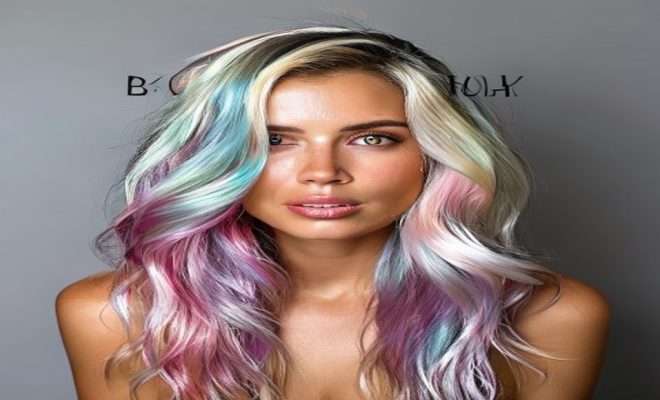
Bleaching hair can seem like a daunting task, especially if you’re aiming for that perfect platinum blonde or a vibrant pastel hue. The process involves removing pigment from your hair, and when done right, it can create stunning results. In this article, we’ll explore hair bleaching techniques that will help you achieve your desired look while minimizing damage and ensuring healthy hair. From understanding the science behind bleaching to practical tips for maintenance, we’ve got you covered.
1. The Basics of Hair Bleaching
Before diving into the actual techniques, it’s essential to understand what hair bleaching actually entails. Hair is composed of a protein called keratin and contains melanin, which gives hair its color. When you bleach your hair, you’re essentially stripping away this melanin using a chemical process.
The primary active ingredient in most hair bleaches is hydrogen peroxide, which oxidizes the melanin. The level of processing depends on the concentration of the peroxide and the time it stays on your hair. Knowing this is crucial because it can affect both the outcome and the health of your hair.
2. Choosing the Right Bleach
Not all bleaches are created equal. Depending on your hair type and the results you want, you’ll need to choose an appropriate bleach. There are powder bleaches and cream bleaches, each with its advantages. Powder bleaches tend to be stronger and faster, making them ideal for achieving lighter shades quickly. However, they can also be more damaging.
Cream bleaches, on the other hand, are gentler and easier to apply, but may take longer to lighten hair. If you’re new to bleaching, starting with a cream bleach might be the best option. Additionally, always check the ingredients for ammonia and ensure you’re using a product that is right for your hair type.
3. Preparing Your Hair for Bleaching
Preparation is key to successful hair bleaching. Start by assessing the current state of your hair. If it’s already damaged from previous coloring or heat styling, consider doing a deep conditioning treatment a week before you bleach. Healthy hair will respond better to the process and will be less prone to breakage.
Also, avoid shampooing your hair right before bleaching; the natural oils on your scalp help protect your skin from irritation. Ideally, you should wait a few days to a week after washing your hair. Gather all necessary tools such as gloves, a mixing bowl, a brush, and a timer to streamline the process.
4. Application Techniques
There are several hair bleaching techniques that professionals use to achieve flawless results. One common method is the freehand technique, where you apply bleach directly onto sections of hair without foils. This technique can create a natural look with lighter ends and darker roots.
Another method is the foil technique, which involves placing bleach-covered sections of hair into foils. This helps control the heat and speeds up the processing time, making it easier to achieve even results. If you’re doing a full head application, start from the back and work your way to the front, as the hair at the back typically takes longer to lighten.
5. Understanding Processing Time
Processing time is one of the most critical aspects of hair bleaching techniques. Generally, the longer you leave bleach on, the lighter your hair will become; however, there’s a fine line between achieving the desired color and damaging your hair. Most bleaches recommend a processing time of 30 to 45 minutes.
Keep an eye on your hair, checking it every 10 minutes. For those with darker hair, the process may take longer, while those with lighter hair might find they reach their desired shade more quickly. After rinsing, always use a deep conditioner to help restore moisture.
6. Post-Bleach Care
Once you’ve achieved your desired shade, it’s crucial to take care of your newly bleached hair. Bleached hair can be fragile, so invest in sulfate-free shampoos and conditioners specifically designed for color-treated hair. These products will help maintain moisture and prevent further damage. (See: Understanding hair bleaching processes.)
Consider incorporating regular deep conditioning treatments into your routine. Oils such as argan or coconut can help nourish and hydrate your hair. It’s also advisable to limit heat styling for a while to allow your hair to recover from the bleaching process.
7. Common Mistakes to Avoid
Bleaching your hair at home can lead to some common pitfalls that can impact the final result. One mistake is not conducting a strand test before applying bleach to your entire head. A strand test helps you gauge how your hair will react to bleach and how long you should leave it on.
Another common issue is applying bleach to dirty hair, which can lead to uneven results. Always work on clean, dry hair. Lastly, not monitoring the processing time can lead to over-bleaching, resulting in damage or an undesirable orange tone. Remember to set a timer and check your hair regularly.
8. Color Maintenance after Bleaching
After bleaching, maintaining your color is essential for keeping your hair looking fresh and vibrant. Using a color-depositing shampoo or conditioner can help keep any brassiness at bay, especially for blonde shades. Purple shampoos are particularly popular for this purpose.
Scheduling regular touch-ups is also important, especially if you have dark roots. Depending on your hair growth rate, every 4 to 6 weeks is often recommended. However, always ensure your hair is in good condition before reapplying bleach to avoid excessive damage.
9. Professional Vs. At-Home Bleaching
While many people choose to bleach their hair at home for convenience and cost savings, there are significant advantages to seeing a professional. Experienced colorists understand the nuances of hair types and can customize the bleaching process to minimize damage and achieve the best results.
Additionally, professionals have access to higher-quality products and techniques that may not be available for at-home use. If you’re unsure or new to bleaching, investing in a salon visit can save you time, frustration, and potentially severe hair damage.
10. Future Trends in Hair Bleaching
The hair industry is constantly evolving, and new hair bleaching techniques are developing all the time, including innovative products that promise less damage and quicker results. For example, some brands are introducing bleach alternatives that are gentler and created with nourishing ingredients.
Moreover, the rise of eco-conscious products is making its mark, with many companies focusing on sustainable practices and ingredients. Keeping an eye on these trends can help you stay ahead in the hair game and maintain healthier, more vibrant hair in the long run.
11. In-Depth Analysis of Hair Types and Bleaching
Different hair types respond uniquely to bleaching processes, so it’s essential to tailor your approach based on the characteristics of your hair. For instance, fine hair often lifts quicker but is also more susceptible to damage. If you have fine hair, using a lower volume developer and limiting processing time can help mitigate damage.
Thick hair, on the other hand, may require a higher volume developer to penetrate effectively, as the outer layer can be more resistant to the bleaching process. It’s common to see uneven lifting in thick hair, so sectioning your hair and applying bleach in smaller sections can lead to a more uniform result.
Curly hair can also react differently, often requiring special attention to avoid dryness. A deep conditioning treatment before and after bleaching can help maintain moisture. Always be aware of the porosity of your hair as well. High-porosity hair may absorb bleach more quickly but can also become damaged easier, necessitating a gentler approach.
12. Statistics on Hair Bleaching Popularity
Recent surveys indicate that approximately 30% of women and 15% of men in the U.S. have colored their hair, with bleaching being one of the most popular techniques. In particular, the rise of social media beauty influencers has contributed to a surge in demand, especially for trendy colors such as pastel pinks and icy blondes.
Market research has shown that the global hair color market is expected to reach $30 billion by 2024, with hair bleaching products making up a significant portion of this growth. This statistic highlights not only the popularity of hair bleaching but also the increasing consumer interest in hair health and quality products. (See: Health effects of hair products.)
13. Expert Perspectives on Safe Bleaching
Many hairstylists emphasize the importance of being well-informed before embarking on a bleaching journey. Celebrity stylist John Doe advises, “Always take a moment to assess your hair’s condition and consult with a professional if you’re unsure. The right knowledge can prevent a potential hair disaster.”
Another expert, colorist Jane Smith, suggests that clients consider their lifestyle and maintenance habits before deciding on a drastic change. “Bleach is a commitment. If you’re not prepared for the upkeep, it might be better to explore other options.”
14. Frequently Asked Questions about Hair Bleaching Techniques
What is the best way to lighten dark hair?
The best way to lighten dark hair is to use a high-quality bleach with a suitable developer. It’s advisable to start with a lower volume developer (20-30 volume) to minimize damage, and to carry out multiple sessions if needed for the best results.
Can I bleach my hair multiple times in one session?
It’s not recommended to bleach hair multiple times in one session. This increases the risk of severe damage and breakage. If you need a lighter shade, consider doing it in stages, allowing your hair to recover between sessions.
How can I prevent my hair from becoming damaged during the bleaching process?
To prevent damage, ensure your hair is healthy before bleaching by using deep conditioning treatments. Choose a suitable bleach that matches your hair type, and avoid applying bleach on overly processed hair. Using a lower volume developer and monitoring the processing time closely will help, too.
Is it possible to bleach hair without damaging it?
While it’s challenging to bleach hair without any damage, using high-quality products designed for minimal damage can significantly help. Look for bleach formulations with added conditioners or oils and always follow up with a good aftercare routine to keep your hair as healthy as possible.
What are some common signs of over-bleached hair?
Common signs include excessive dryness, brittleness, and breakage. The hair may also appear frizzy and lack shine. If you notice these symptoms, it’s crucial to stop bleaching and start a restorative hair care regimen.
15. Different Hair Bleaching Techniques Explained
Understanding the various hair bleaching techniques can help you choose the right method for your desired look. Let’s break down a few popular methods:
Highlighting
This technique involves lightening only certain sections of hair, creating dimension and contrast. Highlights can be achieved using foils or a cap, and they can range from subtle to dramatic. It’s a great choice if you want to maintain some of your natural color while still achieving a lighter look.
Balayage
Balayage is a freehand technique where color is painted onto the hair in a sweeping motion. This method creates a sun-kissed, natural effect where the color gradually becomes lighter toward the ends. Balayage is particularly low maintenance, as it grows out beautifully, making it an ideal choice for busy individuals.
Ombre and Sombre
Ombre is a popular gradient effect where the hair transitions from dark at the roots to light at the tips. Sombre is a softer version of ombre with a more subtle transition between shades. Both techniques can be flattering on various hair lengths and textures, offering a bold yet stylish look.
Full Bleach
If you’re looking to go completely blonde or a vibrant color, a full bleach application may be the way to go. This technique involves applying bleach to the entire head of hair. While it provides a dramatic change, it also requires significant post-bleach care to maintain health and vibrancy. (See: Chemical composition of hair dyes.)
16. Impact of Hair Texture on Bleaching
Hair texture plays a crucial role in how well hair lifts during the bleaching process. Straight hair often lifts evenly and predictably, while wavy and curly hair may take longer to process due to its structure. It’s vital to adjust your technique based on texture for optimal results.
For those with coily or tightly curled hair, consider the porosity of your hair. High-porosity hair can absorb bleach faster but may also be more prone to damage. It’s essential to monitor this hair type closely during the bleaching process and opt for lower developer volumes to prevent over-processing.
17. Understanding Developer Volumes
When it comes to hair bleaching, the developer is a key component that dictates how light your hair will become. Here’s a quick guide to developer volumes:
- 10 Volume: Ideal for minimal lift, often used for depositing color or toning.
- 20 Volume: Provides about 1-2 levels of lift; commonly used for gray coverage.
- 30 Volume: Suitable for up to 3 levels of lift; great for those looking to achieve a lighter blonde.
- 40 Volume: Offers maximum lift, up to 4 levels; best reserved for experienced users due to the potential for damage.
Choosing the right volume depends on your initial hair color and the level of lift you desire. Always err on the side of caution, especially if you’re new to bleaching.
18. DIY Bleaching Kits: What to Know
If you’re considering using a DIY bleaching kit, there are several factors to keep in mind. First, read customer reviews and look for kits that have a good reputation for quality and effectiveness. Many brands now offer kits that include everything you need, including gloves, mixing bowls, and application tools.
Additionally, ensure the kit is suitable for your hair type and desired outcome. Some kits are specifically formulated for darker hair, while others are better for lighter shades. Following the instructions carefully is crucial for achieving the best results.
19. At-Home vs. Professional Bleaching: A Closer Look
While many enjoy the convenience of at-home bleaching, professional services offer advantages that can’t be overlooked. Here’s a comparison to consider:
- Cost: At-home bleaching kits are generally less expensive than salon services, making them appealing for those on a budget.
- Expertise: Professionals have the training and experience to tailor the bleaching process to your hair type, reducing the risk of mistakes.
- Quality of Products: Salons often use higher-quality bleach and conditioners, which can lead to better results and healthier hair.
- Time: Home bleaching can take longer, especially if you’re new to the process, whereas professionals can usually complete the job more efficiently.
Ultimately, your choice may depend on your comfort level, desired outcome, and budget. If you choose to go the DIY route, ensure you take all necessary precautions to protect your hair.
20. Conclusion
With the right knowledge, tools, and techniques, you can successfully bleach your hair while keeping it healthy and looking fabulous. Whether you’re a beginner or an experienced colorist, these hair bleaching techniques will guide you through the process and help you achieve that stunning look you desire.
“`
Trending Now
Frequently Asked Questions
What is the process of bleaching hair?
Bleaching hair involves removing the natural pigment, melanin, using a chemical process primarily with hydrogen peroxide. This oxidation process lightens the hair color, and the results depend on the concentration of peroxide and the duration it remains on the hair.
How do I choose the right bleach for my hair?
Choosing the right bleach depends on your hair type and desired results. Powder bleaches are stronger and faster, ideal for lighter shades, while cream bleaches are gentler and easier to apply, making them suitable for beginners.
How can I prepare my hair for bleaching?
Preparation for bleaching involves assessing your hair's current condition. Ensure your hair is healthy and free of damage, and consider doing a deep conditioning treatment a few days prior to the bleaching process for optimal results.
Is hair bleaching damaging?
Yes, hair bleaching can be damaging due to the chemical processes involved. However, choosing the right bleach type, following proper techniques, and maintaining hair health with conditioning treatments can help minimize damage.
What should I do after bleaching my hair?
After bleaching, it’s important to use a nourishing conditioner or treatment to restore moisture. Avoid excessive heat styling, and consider using color-safe products to maintain the vibrancy of your newly bleached hair.
What did we miss? Let us know in the comments and join the conversation.