How to make sourdough starter
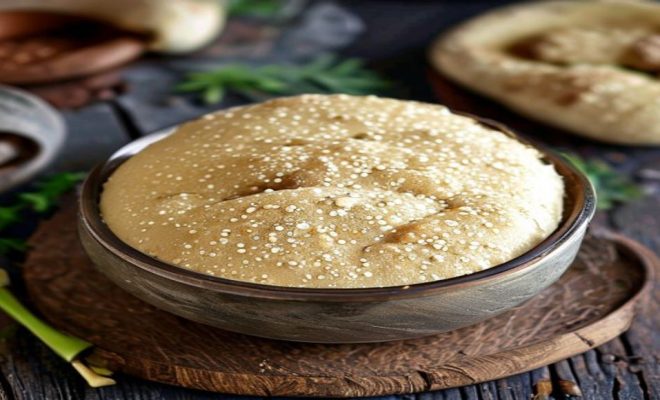
“`html
Sourdough bread has made a triumphant return to kitchens everywhere, and at the heart of this beloved bread lies the essential sourdough starter recipe. If you’ve ever wondered how to create this magical mixture that gives sourdough its unique flavor and texture, you’re in the right place. In this comprehensive guide, we’ll explore everything you need to know to cultivate your own sourdough starter, from understanding the science behind it to practical steps to keep it alive and thriving.
1. What is Sourdough Starter?
A sourdough starter is a culture of flour and water that captures wild yeast and bacteria from the environment. This combination ferments the mixture, leading to the rise of your bread and contributing distinctive tangy flavors. Unlike commercial yeast, which is a single strain of yeast, sourdough starters harness the natural yeasts present in the air and flour, resulting in complex flavors that can vary from one starter to another.
The fascinating aspect of sourdough is that the starter is a living thing — it requires regular feeding and maintenance. Once you’ve created your starter, it can last for years, even decades, with proper care. Many bakers pass their starters down through generations, making each one a unique piece of culinary history.
2. The Science Behind Sourdough Starter
Understanding the science of sourdough starter can help you troubleshoot issues and improve your baking. The primary organisms at play are wild yeasts and lactic acid bacteria. The wild yeasts feed on the sugars in the flour, producing carbon dioxide gas that makes the bread rise. Simultaneously, the bacteria ferment the sugars to create organic acids, which contribute to the sour flavor profile.
This natural fermentation process also enhances the bread’s nutritional value. The acids produced by the bacteria can help break down gluten, making sourdough potentially easier to digest for some individuals. Furthermore, the presence of beneficial bacteria can aid in gut health, adding to the appeal of sourdough bread.
Different environmental factors can also influence the development of your sourdough starter. For example, the temperature and humidity of your kitchen can alter the fermentation process. A warmer environment typically speeds up fermentation, while cooler temperatures slow it down. It’s essential to observe how your starter responds to these conditions and adjust accordingly.
3. Ingredients Needed for Your Sourdough Starter Recipe
Creating a sourdough starter requires just two simple ingredients: flour and water. However, the type of flour you use can affect the outcome. For a robust starter, consider using whole grain flours, such as whole wheat or rye flour, which contain more nutrients and microorganisms than white flour. This nutrient-rich environment is ideal for cultivating yeast growth.
As for water, it’s best to use filtered or bottled water to avoid any chlorine or additives that may inhibit yeast growth. The temperature of the water should be lukewarm, around 80°F (27°C), which provides a cozy environment for the yeast to thrive.
Additionally, consider using organic flour if possible. Organic flours are less likely to be treated with chemicals that could impede the fermentation process. The natural microorganisms present on organic grains can further enhance your starter’s potential.
4. Step-by-Step Guide to Creating Your Sourdough Starter
Now that you have your ingredients ready, let’s get into the nitty-gritty of your sourdough starter recipe. Here’s a simple step-by-step guide to get you started:
- Day 1: In a glass container, mix 100 grams of flour with 100 grams of lukewarm water. Stir until there are no dry bits of flour. Loosely cover the container with a cloth or lid to allow airflow, and let it sit at room temperature (ideally between 70°F and 75°F) for 24 hours.
- Day 2: You might see some bubbles forming, signaling that fermentation has begun. Discard half of the starter (about 100 grams) and add another 100 grams of flour and 100 grams of lukewarm water. Stir, cover, and let it sit for another 24 hours.
- Days 3-7: Continue the feeding process daily. Each time, discard half and feed with 100 grams of flour and 100 grams of water. As the days go by, you should notice more bubbles and a rise in your starter, which indicates it is becoming active.
- Day 7: By this point, your starter should be bubbly and have doubled in size within 4 to 6 hours of feeding. It should also have a pleasant, slightly tangy aroma. If not, give it a few more days of feeding until it shows these signs.
Once your starter is consistently doubling in size and has a strong, pleasant smell, it’s ready to use in your sourdough recipes! (See: Sourdough on Wikipedia.) We covered top baking schools worldwide in more detail.
5. Maintaining Your Sourdough Starter
Once you’ve created your sourdough starter, you’ll need to maintain it to keep it healthy and active. If you plan to bake regularly, keep your starter at room temperature and feed it daily. However, if you only bake occasionally, you can store your starter in the refrigerator and feed it once a week.
When feeding your starter, be sure to allow it to come to room temperature before use, especially if it has been in the fridge. You may also want to give it a couple of feedings at room temperature before using it in your bread recipes to revive its activity. Always remember to discard half of your starter before feeding; this helps manage its volume and ensures it remains robust.
Another option for maintaining your starter is to dry it. If you’re going on vacation or need a break from baking, you can spread a thin layer of your starter on parchment paper and allow it to dry completely. Once dried, it can last for months stored in an airtight container. To reactivate, simply mix the dried starter with water and flour and follow the feeding instructions again.
6. Common Issues and Troubleshooting
Even the most seasoned bakers encounter problems with their sourdough starters from time to time. Here are a few common issues and how to address them:
- Hooch Formation: If you notice a liquid layer (known as hooch) forming on top of your starter, it’s a sign that it’s hungry and needs feeding. Just stir it back in or pour it off before feeding.
- Weak Growth: If your starter isn’t rising or bubbling, it might be too cold or your flour may not contain enough nutrients. Try moving it to a warmer spot or switching to a more nutrient-rich flour.
- Poor Smell: A healthy starter should smell pleasantly sour. If it smells off or like rotten, it’s likely contaminated. In that case, it’s best to discard it and start a new one.
- Inconsistent Activity: If your starter has good days and bad days, it might be due to fluctuations in temperature or humidity. Keeping your starter in a stable environment can help maintain consistent activity.
Remember, patience is key. Sourdough starters can take time to develop their full potential, so don’t get discouraged if it doesn’t perform perfectly right away.
7. Using Your Sourdough Starter in Baking
Once your starter is healthy and bubbly, it’s time to put it to good use! You can use it in many recipes beyond just bread, including pancakes, waffles, and even pizza dough. When using your starter, ensure it’s at peak activity: it should be bubbly and have risen significantly after feeding.
For sourdough bread, many bakers prefer to use a method called the autolyse process, which involves mixing the flour and water first before adding the starter. This technique enhances gluten development and can lead to a better crumb structure in your bread.
Don’t be afraid to experiment! Sourdough baking is both an art and a science. Adjust hydration levels and flour types, and take notes on the outcomes to find what works best for your tastes.
A good rule of thumb is to use about 20-30% of your starter’s weight in relation to the total flour weight in your recipe. For example, if you’re using 1000 grams of flour, you should aim for around 200-300 grams of active starter. This can help ensure a robust rise and flavor in your finished product.
8. The Current Relevance of Sourdough
In recent years, sourdough has surged in popularity, especially during the pandemic when many turned to baking as a comforting activity. Social media platforms filled with pictures and stories of home-baked loaves, making sourdough starters a trending topic. This resurgence has led many to explore the joys of homemade bread, connecting with tradition and embracing the therapeutic aspects of baking.
Moreover, sourdough is often touted for its health benefits, including being easier to digest and having a lower glycemic index compared to regular bread. As consumers become more health-conscious, incorporating sourdough into their diets seems to be a delicious and nutritious choice.
Research also supports the idea that the fermentation process of sourdough can lead to increased levels of vitamins, such as B vitamins and minerals, making the bread not only tasty but also nutritionally beneficial. This has sparked interest in artisanal baking and a movement toward more mindful, health-oriented food choices. (See: Scientific article on sourdough fermentation.)
9. FAQs about Sourdough Starters
What do I do if my starter isn’t bubbling?
If your starter isn’t bubbling, it may need more time, a warmer environment, or more frequent feedings. Ensure that you’re using quality flour and that your water isn’t chlorinated.
How often should I feed my sourdough starter?
Typically, you should feed your starter once a day if it’s kept at room temperature. If stored in the fridge, once a week is sufficient.
Can I use whole wheat flour for my sourdough starter?
Yes, whole wheat flour is excellent for sourdough starters due to its higher nutrient content, which can promote yeast growth. You can also mix different types of flour for varied flavors.
How do I know when my starter is ready to bake with?
Your starter is ready when it doubles in size within 4-6 hours after feeding, has a pleasant, tangy aroma, and is bubbly. Conduct a “float test” by dropping a spoonful of starter in a glass of water — if it floats, it’s ready to use.
Can I make sourdough bread without a starter?
No, a starter is essential for traditional sourdough bread as it provides the wild yeast needed for fermentation and the unique sour flavor. However, you can use commercial yeast for quicker breads. There’s a fuller look at leading pastry arts programs.
How do I know if my sourdough starter is healthy?
A healthy sourdough starter should have a pleasant smell (not off or sour in a bad way), be bubbly, and double in size reliably after feedings. The texture should be thick but not too runny or dry.
What can I do if my starter is too acidic?
If your starter has developed a very strong sour flavor, it may be too acidic. You can remedy this by feeding it more frequently and using a higher ratio of flour to starter during feedings to dilute the acidity.
10. The Joy of Sourdough Baking
Creating a sourdough starter is more than just a baking project; it’s a journey into the world of fermentation and a way to connect with a culinary tradition that spans centuries. With your own sourdough starter recipe, you can craft breads that boast unique flavors and textures, bringing warmth and comfort to your table. So roll up your sleeves, gather your flour and water, and embrace the delightful challenge of sourdough baking. You’ll not only end up with delicious bread but also a satisfying sense of accomplishment.
As you embark on your sourdough journey, remember to document your process. Keeping a baking journal can help you track your starter’s progress, note the different recipes you try, and ultimately refine your approach over time. Each loaf you bake will contribute to your skill and deepen your appreciation for this age-old craft. Happy baking!
11. Exploring Different Sourdough Starter Variations
While the classic sourdough starter recipe is flour and water, there are several variations you can explore that can yield different flavors and textures in your baking. Here are a few methods: (See: Research on sourdough starters.)
- Rye Flour Starter: Using rye flour can produce a more active starter as rye flour is rich in nutrients. It tends to ferment faster than all-purpose flour, resulting in a more robust flavor.
- Whole Wheat Starter: Similar to rye, whole wheat flour contains more nutrients than white flour, promoting yeast growth. It can also impart a more complex flavor to your bread.
- Fruit-Based Starter: Some bakers use fruits like grapes or pineapple to kickstart their starters. The natural sugars and wild yeasts present on the skin of these fruits can help in cultivating a starter. Blend fruit with water, strain it, and mix with flour to create this unique starter.
Each variation can bring unique characteristics to your bread, so don’t hesitate to try different flours and methods. You might discover a new favorite!
12. Advanced Techniques for Sourdough Bakers
Once you’ve mastered the basics of sourdough starter and baking, there are advanced techniques you can try to elevate your bread-making skills:
- Stretch and Fold: Instead of kneading your dough, use the stretch and fold method to develop gluten. This technique is gentler and allows you to retain more air bubbles in your bread, leading to a lighter texture.
- Autolyse Technique: As mentioned earlier, mixing flour and water before adding the starter allows the flour to fully hydrate and begin gluten development. This can lead to a better structure and enhances the flavor of your bread.
- Using a Dutch Oven: Baking your sourdough in a preheated Dutch oven can create a steamy environment, mimicking a professional bread oven. This can help achieve a perfect crust and rise.
- Scoring Techniques: Learning different scoring techniques can enhance the visual appeal of your bread while ensuring it rises properly during baking. Experiment with various designs — from simple slashes to intricate patterns.
Experimenting with these methods can expand your skill set and lead to even more delicious results in your sourdough baking.
13. The Cultural Impact of Sourdough
Sourdough isn’t just a trend; it has deep cultural roots across the globe. Many countries have their own variations and methods of sourdough baking. For instance, in San Francisco, the unique sourdough is tied to the local environment, influenced by the specific wild yeasts present in the air. In contrast, French sourdough often uses a different blend of flours and cultivation methods, contributing to its distinct flavor profile.
Across cultures, sourdough has symbolized community and tradition. In many regions, bakers share their starter, creating a bond that transcends generations. This act of sharing not only enhances the starter’s diversity but also fosters a sense of belonging among bakers.
Moreover, as people become more conscious of their food sources and the benefits of fermentation, sourdough has become a staple for those seeking to embrace a healthier lifestyle. Its resurgence is part of a broader movement toward artisanal cooking and an appreciation for traditional foods.
14. Final Thoughts on Your Sourdough Journey
As you continue your sourdough adventure, remember that every starter, loaf, and baking session is a learning experience. There will be successes and failures, but each one teaches you something valuable. Embrace the journey, and don’t hesitate to connect with fellow bakers online or in your community. Sharing tips, recipes, and stories can enhance your skills and add joy to your baking practice.
So gather your ingredients, harness the wild yeast in your environment, and enjoy the beautiful, chaotic process that is sourdough baking. You’ll create not only delicious loaves but also memories that last a lifetime. Your sourdough starter recipe will be the cornerstone of many family meals and gatherings, linking you to the past while you craft something new and flavorful for the future.
“`
Trending Now
Frequently Asked Questions
What is a sourdough starter?
A sourdough starter is a mixture of flour and water that captures wild yeast and bacteria from the environment. This culture ferments, allowing bread to rise and develop a unique tangy flavor. Unlike commercial yeast, it utilizes natural yeasts, resulting in diverse flavors across different starters.
How do you make a sourdough starter?
To make a sourdough starter, mix equal parts flour and water in a jar, stirring until smooth. Cover loosely to allow airflow and let it sit at room temperature. Feed the mixture daily with more flour and water, observing for bubbles and growth, which indicates it's becoming active and ready for baking.
How long does it take to make a sourdough starter?
Typically, it takes about 5 to 14 days to create a sourdough starter. The time varies depending on factors like temperature, flour type, and local yeast presence. You'll know it's ready when it doubles in size consistently and has a pleasant, tangy aroma.
How do you maintain a sourdough starter?
To maintain a sourdough starter, keep it in a clean container and feed it regularly with equal parts flour and water. Store it at room temperature for daily baking or in the refrigerator for longer intervals. Remember to bring it to room temperature and feed it before use.
Can you use sourdough starter after a long time?
Yes, a sourdough starter can last for years with proper care. If it's been inactive for a while, revive it by feeding it regularly until it becomes bubbly and active again. Many bakers successfully revive older starters, which can carry unique flavors and characteristics.
What's your take on this? Share your thoughts in the comments below — we read every one.