Master Homemade Pizza Dough: Your Ultimate Guide
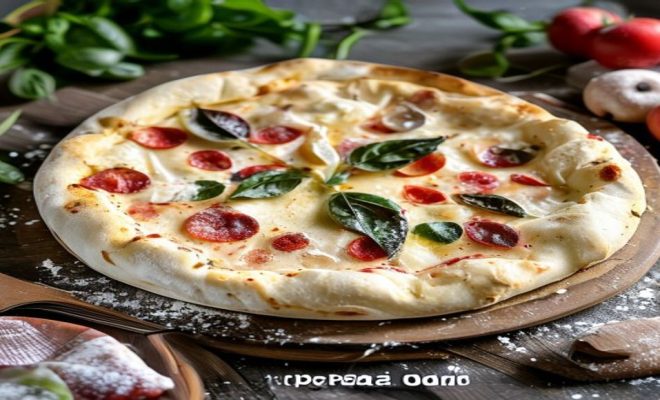
“`html
Are you ready to transform your kitchen into a pizzeria? Mastering the art of pizza dough is the first step to creating delicious homemade pizzas that can rival your favorite restaurants. This comprehensive guide will provide you with everything you need to know about crafting the perfect pizza dough recipe, from understanding the ingredients to kneading techniques and beyond.
1. The Basics of Pizza Dough
Before we dive into the nitty-gritty of making pizza dough, let’s discuss what makes a good dough. At its core, a pizza dough recipe consists of four primary ingredients: flour, water, yeast, and salt. Depending on the type of pizza you want to create—be it Neapolitan, New York-style, or Chicago deep-dish—the specifics of each ingredient may vary.
A traditional Italian pizza dough uses a high-protein flour, typically ’00’ flour, which gives the crust a chewy texture. The hydration level (the ratio of water to flour) is also crucial; a wetter dough can lead to an airier, more open crumb, while a drier dough results in a denser crust. Understanding these fundamentals will significantly enhance your pizza-making skills.
Additionally, the fermentation process plays a vital role in developing flavors in your pizza dough. Yeast ferments the sugars in the flour, producing carbon dioxide and alcohol, which contribute to the dough’s rise and flavor profile. The longer you let the dough ferment, the more complex the flavors will be, leading to a more artisanal pizza.
2. Essential Ingredients for Pizza Dough
When it comes to crafting your pizza dough recipe, the quality of your ingredients can make a remarkable difference in taste and texture. Here’s a deeper look at each component:
- Flour: As mentioned, high-protein flour is ideal. For a classic Neapolitan pizza, use Italian ’00’ flour. If that’s hard to find, all-purpose flour can also work. For additional flavor, you might even consider adding a small percentage of semolina flour.
- Water: The temperature of the water is crucial; warm water (around 110°F) helps activate the yeast more quickly, while cold water can slow the fermentation process, resulting in more complex flavors over time. The quality of water also matters; filtered water without chlorine can yield better results.
- Yeast: Active dry yeast or instant yeast are common choices. The amount you use will affect the fermentation time; more yeast means a faster rise. You can also experiment with sourdough starter for a tangy flavor.
- Salt: Salt not only adds flavor but also strengthens the gluten structure of the dough. Be sure not to skip this ingredient. Consider using specialty salts like sea salt or Himalayan salt for a unique taste.
3. The Perfect Pizza Dough Recipe
Now that you understand the essentials, here’s a simple yet effective pizza dough recipe to get you started:
Ingredients:
- 4 cups of high-protein flour (or '00' flour)
- 1 ½ cups warm water (110°F)
- 2 teaspoons salt
- 1 teaspoon active dry yeast or instant yeast
- 1 tablespoon olive oil (optional)

Instructions:
1. In a bowl, mix the warm water with the yeast and let it sit for about 5-10 minutes until frothy.
2. In a large mixing bowl, combine the flour and salt. Make a well in the center and pour in the yeast mixture.
3. If using, add the olive oil at this stage.
4. Mix until a dough begins to form, then knead on a floured surface for about 10 minutes until smooth and elastic.
5. Place the dough in a lightly oiled bowl, cover it with a damp cloth, and let it rise in a warm area for about 1-2 hours, or until doubled in size.
This recipe yields about two large pizzas, giving you the perfect base for any toppings you desire!
4. Kneading and Shaping the Dough
Kneading is a critical step in developing the gluten structure of your pizza dough. After allowing your dough to rise, turn it out onto a lightly floured surface and start kneading it with the heel of your hand. Push it away from you, fold it over, and repeat this motion. Aim for about 10 minutes until the dough is smooth and elastic.
Once kneaded, it’s time to shape your dough. Gently flatten it into a disc with your hands, then stretch it outwards from the center to form a crust. Be careful not to press out all the air bubbles, as these will give your pizza a delightful texture when baked. If you’re making a thicker crust, you can leave the edges a bit thicker to create a pizza that can hold more toppings. (See: History and types of pizza.)
5. Fermentation: The Secret to Flavor
While you can use your dough right after the first rise, allowing it to ferment longer can greatly enhance its flavor. You can control the fermentation process by varying the time and temperature. For instance, letting your dough rise in the refrigerator for 24 to 72 hours will develop a deeper flavor due to slow fermentation.
This longer fermentation not only improves taste but can also contribute to a more complex texture. If you opt for this method, remember to take the dough out of the fridge a couple of hours before you plan to use it, so it warms up and becomes easier to shape.
Additionally, consider experimenting with different types of fermentation. For example, a cold ferment allows for more nuanced flavors to develop over time, while a warm ferment can result in a slightly sweeter taste due to the faster yeast activity. Each method can yield unique results, so don’t hesitate to try both!
6. Common Mistakes to Avoid
Even the most seasoned pizza makers make mistakes, but knowing what to avoid can save you from a disappointing pizza night. Here are a few common pitfalls:
- Using the wrong flour: Choosing a low-protein flour can lead to a gummy texture. Always opt for high-protein or ’00’ flour.
- Over-kneading: While kneading is essential, overdoing it can create a tough dough. Aim for a balance between texture and softness.
- Skipping the fermentation: Rushing through the fermentation process will compromise flavor. Patience is key!
- Not preheating your oven: For that perfect crust, ensure your oven is preheated to at least 475°F (or higher if your oven allows).
- Using too much flour while shaping: While it’s tempting to use extra flour to prevent sticking, too much can dry out the dough. Lightly flour your surfaces and keep the dough hydrated.
7. Choosing the Right Oven Temperature
The temperature at which you bake your pizza can make a world of difference. Traditional wood-fired pizza ovens can reach temperatures as high as 900°F, creating a crispy crust with charred bubbles. Most home ovens max out around 500°F, but there are ways to get the best results.
Consider using a pizza stone, which helps retain heat and mimics the effect of a pizza oven. Preheat the stone for at least 30 minutes before baking. This technique allows the bottom of the pizza to become beautifully crisp while the toppings cook perfectly. You can also experiment with broiling the pizza for the last minute or two to get that bubbly, slightly charred effect on top.
8. Creative Variations on Pizza Dough
While traditional pizza dough is delicious, why not experiment with different types? Here are a few creative variations to try:
- Whole Wheat Dough: Substitute half of the white flour for whole wheat flour for a nuttier flavor and added nutrition.
- Cauliflower Crust: For a gluten-free option, try blending steamed cauliflower with cheese and eggs to create a dough-like base. Add herbs for extra flavor.
- Herbed Dough: Incorporate fresh or dried herbs into your dough for added flavor. Basil, oregano, or garlic powder can elevate your pizza game.
- Spicy Dough: Mix in crushed red pepper flakes or a touch of cayenne pepper for a hint of heat that complements your toppings.
- Beer Dough: Replace part of the water with beer to infuse your dough with an incredible flavor. This works particularly well with rich toppings.
These variations not only add fun twists to your pizza but also cater to different dietary preferences!
9. Storing Pizza Dough for Later Use
If you’ve made too much dough or want to prepare in advance, knowing how to store your pizza dough is crucial. The best way is to wrap it tightly in plastic wrap after the first rise and place it in the refrigerator. It can last up to three days.
For longer storage, consider freezing your dough. Shape it into a ball, wrap it tightly, and place it in a freezer-safe bag. When you’re ready to use it, thaw it in the refrigerator overnight, then allow it to come to room temperature before shaping and baking. Remember, dough can also be stored in an airtight container if you want to avoid adding plastic to your food storage. (See: Food safety tips for home cooking.)
10. Final Thoughts on Mastering Your Pizza Dough Recipe
Perfecting a pizza dough recipe is a rewarding journey that involves practice, experimentation, and patience. With the right ingredients, techniques, and a little creativity, you can create a crust that’s not just good, but exceptional. Remember, the best pizzas start with a solid foundation—your dough. So, roll up your sleeves and get ready to impress your family and friends with your pizza prowess!
11. Frequently Asked Questions (FAQ)
Q: Can I use all-purpose flour instead of ’00’ flour?
A: Yes, all-purpose flour can be used, though the texture may differ. ’00’ flour provides a chewier crust, which is ideal for Neapolitan-style pizzas.
Q: How do I know when my dough has risen enough?
A: The dough should double in size and feel puffy. A good test is to gently press your finger into it; if the indentation remains, it’s ready.
Q: Can I let the dough rise overnight?
A: Absolutely! In fact, a slow overnight rise in the fridge can enhance the flavor. Just remember to let it come to room temperature before shaping.
Q: What’s the best way to stretch my dough?
A: Use your hands instead of a rolling pin to maintain the air bubbles. Start from the center and gently stretch it outwards, rotating as you go.
Q: What toppings work best with homemade pizza?
A: The beauty of homemade pizza is the versatility! Classic options include marinara sauce, mozzarella, pepperoni, and fresh basil. Feel free to get creative with gourmet cheeses, vegetables, and proteins.
Q: How do I achieve a crispy crust?
A: Preheat your oven with a pizza stone or steel for at least 30 minutes. Also, avoid using too many watery toppings, which can make the crust soggy.
Q: Can I double the recipe?
A: Yes! Just be sure to adjust the rising time if you’re making a larger batch. You can also freeze any extra dough for future use. (See: Scientific study on dough fermentation.)
Q: What if my dough is too sticky?
A: Don’t panic! If your dough is sticky, add a little more flour while kneading, but be cautious not to overdo it as too much flour can lead to a dry crust.
Q: Is it necessary to use olive oil?
A: While olive oil is optional, it can add flavor and help with the dough’s texture. If you prefer a leaner dough, feel free to skip it.
12. Tips from the Experts
To enhance your pizza-making experience, we reached out to professional pizzaiolos and chefs for their insights. Here are some expert tips that can take your homemade pizza to the next level:
- Experiment with Hydration: Chef Mario Batali suggests adjusting the hydration level of your dough for different pizza styles. For Neapolitan pizzas, aim for a hydration level of around 60-65%, while New York-style might benefit from a slightly firmer dough.
- Use a Preferment: Many professionals recommend using a preferment, like a biga or poolish, to improve flavor and texture. These starter doughs are made ahead of time and added to your final dough mixture, resulting in a more complex flavor profile.
- Be Patient: As Chef Nancy Silverton emphasizes, the best dough requires time. Whether it’s for fermentation or just letting the dough rest, patience is key to achieving that perfect texture and flavor.
- Monitor Your Oven: Many chefs advise monitoring your pizza closely as it bakes. Every oven is different, so keep an eye on your pie to achieve the desired crust color and toppings doneness.
- Don’t Overload on Toppings: While it can be tempting to pile on your favorite ingredients, too many toppings can lead to a soggy crust. Stick to a select few high-quality toppings for the best results.
13. Pizza Dough Around the World
Pizza is a global phenomenon, and different regions have their unique takes on pizza dough. Here’s a brief look at how pizza dough varies around the world:
- Neapolitan (Italy): Characterized by a soft, elastic texture, Neapolitan dough is made with ’00’ flour and has a high hydration level. It’s traditionally cooked in a wood-fired oven at extremely high temperatures.
- New York Style (USA): This pizza has a thicker, crispier crust compared to Neapolitan. The dough is often made with bread flour, giving it a chewier texture. It’s commonly baked in a standard oven.
- Chicago Deep Dish (USA): Known for its thick, buttery crust that resembles a pie more than traditional pizza, Chicago deep-dish dough is often made with cornmeal and has a very high fat content.
- Sicilian (Italy): Sicilian dough is often thicker and has a soft, bread-like texture. It’s typically baked in a rectangular pan and is known for its airy crumb.
- Focaccia (Italy): Although not pizza per se, focaccia dough shares similarities and can be used as a pizza base. It’s typically enriched with olive oil and can be topped with herbs and vegetables.
14. The Science Behind Pizza Dough
Understanding the science behind your pizza dough can help you make adjustments for better outcomes. Here are some key elements:
- Gluten Development: Gluten gives pizza dough its structure. When flour is mixed with water and kneaded, gluten proteins form long strands that trap gas produced by yeast, enabling the dough to rise.
- Fermentation: During fermentation, yeast breaks down sugars in the flour, producing carbon dioxide and alcohol. This process not only helps the dough rise but also enhances the flavor.
- Temperature: Yeast activity is highly influenced by temperature. Warmer temperatures speed up fermentation, while cooler temperatures slow it down, which is why cold fermentations can lead to more complex flavors.
- Hydration: The amount of water in your dough affects its texture. Higher hydration levels can create a lighter, airier crust, while lower hydration can lead to a denser base. Understanding this balance will help you achieve the desired texture.
15. Conclusion
With this guide, you’re well-equipped to create your own pizza dough that meets your personal preferences and tastes. Whether you’re looking for a quick weeknight dinner solution or wanting to impress guests with artisanal pies, mastering your pizza dough recipe is key. Keep experimenting, learn from your mistakes, and most importantly, enjoy the process of making pizza from scratch!
“`
Trending Now
Frequently Asked Questions
What are the basic ingredients for pizza dough?
The basic ingredients for pizza dough include flour, water, yeast, and salt. The type of flour can vary depending on the desired pizza style, with high-protein '00' flour being ideal for Neapolitan pizzas.
How do you knead pizza dough properly?
To knead pizza dough properly, start by mixing the ingredients until combined, then transfer the dough to a floured surface. Knead by pushing the dough away with the heel of your hand, folding it back over, and repeating for about 8-10 minutes until smooth and elastic.
Why is fermentation important in pizza dough?
Fermentation is crucial in pizza dough as it develops flavor and texture. During fermentation, yeast consumes sugars, producing carbon dioxide and alcohol, which contribute to the dough’s rise and complex flavor profile. A longer fermentation time can enhance these qualities.
What type of flour is best for pizza dough?
The best type of flour for pizza dough is high-protein flour, such as Italian '00' flour, which creates a chewy texture. If '00' flour is unavailable, all-purpose flour can be used as a substitute, and adding a small percentage of semolina flour can enhance the flavor.
How does hydration affect pizza dough?
Hydration affects pizza dough by influencing its texture and crumb structure. A wetter dough leads to an airier, open crumb, while a drier dough results in a denser crust. Balancing the water-to-flour ratio is essential for the desired pizza style.
What did we miss? Let us know in the comments and join the conversation.