How to make smoothie
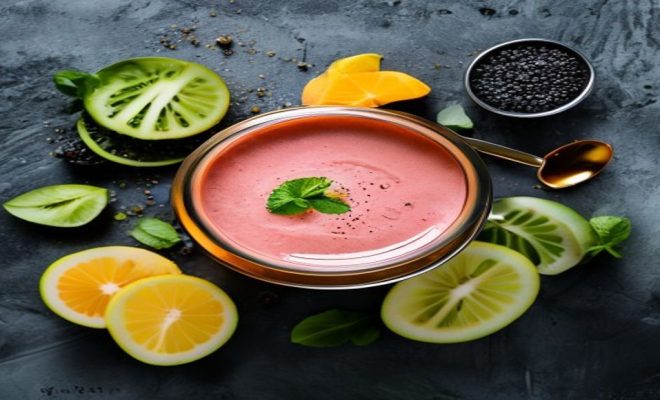
“`html
Smoothies are more than just a trendy drink; they’re a delicious way to pack nutrients into your diet. Whether you’re looking for a refreshing snack, a post-workout boost, or a quick breakfast, smoothies can fit seamlessly into your lifestyle. With endless combinations of fruits, vegetables, and other nutritious ingredients, the possibilities are virtually limitless. In this guide, we’ll explore how to make the perfect smoothie, along with seven essential smoothie recipes that will tantalize your taste buds.
1. The Basics of Smoothie Making
Making a smoothie is a straightforward process, but getting it just right can take a bit of practice. The foundational components of a smoothie include a base, fruits or vegetables, and optional add-ins. Here’s how to think about each component:
- Base: Most smoothies start with a liquid base, which can include water, nut milk, coconut water, or juice. Choosing the right base can significantly affect the flavor and texture.
- Fruits and Vegetables: Fresh or frozen fruits and veggies can provide flavor, color, and nutrition. Common choices include bananas, berries, spinach, and kale.
- Add-Ins: This is where you can customize your smoothie. Protein powders, nut butters, seeds, and even superfoods like spirulina can elevate your drink.
One of the essential tips for smoothie making is balancing the flavors and textures. A common mistake is to load up on fruits without considering the need for some greens or a creamy element. Experiment and find your perfect balance!
2. Choosing the Right Equipment
Your choice of equipment can make a big difference in your smoothie-making experience. A high-quality blender is crucial, as it determines how smooth your smoothie will be. Here are some popular options:
- High-Speed Blenders: Brands like Vitamix and Blendtec are known for their powerful motors, which can easily blend tough ingredients like leafy greens and frozen fruits.
- Immersion Blenders: These are handy for small batches and easy cleanup but may not achieve the same level of smoothness as a traditional blender.
- Personal Blenders: Compact blenders like Nutribullet are great for individual servings and are easy to store.
Regardless of the blender you choose, it’s vital to layer your ingredients correctly. Start with the liquid at the bottom, followed by soft ingredients, then harder fruits or veggies, and finally, any ice or frozen items on top. This order will help ensure that everything blends evenly.
3. Essential Smoothie Recipes for Beginners
If you’re just starting, here are three staple smoothie recipes that are easy to make and delicious:
3.1. Classic Green Smoothie
This recipe packs a nutritious punch while remaining refreshing. Blend together:
- 1 cup spinach
- 1 banana
- 1 cup almond milk
- 1 tablespoon chia seeds
- 1/2 cup ice
Blend until smooth, and enjoy a vibrant green drink that’s rich in vitamins!
3.2. Berry Blast Smoothie
Perfect for a morning boost, this berry smoothie combines sweetness with antioxidants:
- 1 cup mixed berries (strawberries, blueberries, raspberries)
- 1 banana
- 1 cup Greek yogurt
- 1 tablespoon honey (optional)
- 1/2 cup water or juice
This vibrant smoothie is not only delicious but also a powerhouse of nutrients.
3.3. Tropical Paradise Smoothie
Transport yourself to the tropics with this fruity blend: (See: Nutritional benefits of smoothies.)
- 1 cup pineapple chunks
- 1 banana
- 1/2 cup coconut milk
- 1/2 cup orange juice
- 1/2 cup ice
This smoothie is a fantastic way to enjoy a taste of summer any day of the year!
4. Exploring Flavor Combinations
While the classic smoothie recipes are great, don’t be afraid to explore unique flavor combinations. The key is to balance sweetness, tartness, and earthiness. Here are some bold combinations you might want to try:
- Chocolate Avocado: Blend 1 ripe avocado, 2 tablespoons cocoa powder, 1 banana, and 1 cup almond milk for a creamy, chocolaty treat.
- Spicy Mango: Add a dash of cayenne pepper to a standard mango smoothie for a surprising kick.
- Apple Cinnamon: Mix 1 apple, 1/2 teaspoon cinnamon, and a handful of spinach for a fall-inspired drink.
The beauty of smoothies lies in their versatility, so let your taste buds guide you as you mix and match flavors!
5. Nutrition Boosters and Superfoods
To enhance the nutritional profile of your smoothies, consider incorporating some superfoods. Here are a few popular options:
- Spinach and Kale: Both are rich in iron, calcium, and vitamins A, C, and K, making them perfect for green smoothies.
- Chia Seeds: These tiny seeds are packed with omega-3 fatty acids, fiber, and protein, making them a great addition.
- Protein Powders: If you’re looking to boost your protein intake, consider adding a scoop of protein powder, whether plant-based or whey.
- Nut Butters: Almond or peanut butter can add creaminess and healthy fats, keeping you full longer.
Experiment with these superfoods, but be cautious with quantities. A teaspoon or tablespoon often suffices to achieve the desired nutritional boost without overwhelming the flavor.
6. Common Smoothie Mistakes and How to Avoid Them
While making smoothies is simple, there are common pitfalls that can detract from your experience. Here’s how to avoid them:
- Too Much Sugar: Adding too many sweet fruits or juices can lead to a sugar bomb. Try balancing sweetness with greens or opting for unsweetened bases.
- Not Enough Liquid: A thick smoothie can be hard to blend. Always ensure you have enough liquid for your ingredients to combine smoothly.
- Skipping the Greens: Many people shy away from adding veggies. Start small; even a handful of spinach can enhance nutrition without impacting flavor.
By being aware of these common mistakes, you’ll be well on your way to crafting delicious, nutritious smoothies every time.
7. Smoothie Storage and Meal Prep Tips
If you find yourself pressed for time, preparing smoothies in advance can be a game-changer. Here are some tips to help you get the most out of your smoothies:
- Freezing Ingredients: Pre-portioning fruits and veggies into freezer bags allows you to grab and blend quickly. Just toss the bag’s contents into the blender with your liquid of choice.
- Pre-Made Smoothies: You can make a batch of smoothies and store them in the fridge for up to 48 hours. Just give them a good shake before drinking, as separation may occur.
- Layering for Storage: If you’re preparing smoothies in jars, layer them with liquids at the bottom, followed by solids, to prevent oxidation and keep ingredients fresh.
With these tips, you can ensure that your smoothie routine is convenient and enjoyable, even on the busiest of days.
8. Health Benefits of Smoothies
Smoothies offer a wide range of health benefits that contribute to overall well-being. Here are some of the key advantages:
- Increased Fruit and Vegetable Intake: Smoothies provide an easy and delicious way to consume more fruits and vegetables, which can help improve your overall nutrition.
- Hydration: Many smoothies use water or coconut water as a base, which contributes to your daily hydration needs.
- Improved Digestive Health: By including fiber-rich ingredients like fruits, vegetables, and seeds, smoothies can aid in digestion and promote gut health.
- Enhanced Energy Levels: Smoothies can serve as a quick source of energy, especially when made with a balance of carbohydrates, proteins, and healthy fats.
- Weight Management: When crafted thoughtfully, smoothies can be filling and nutritious, helping to control hunger and support weight loss or maintenance.
Incorporating smoothies into your daily routine can be a beneficial step toward a healthier lifestyle. Whether for breakfast, lunch, or a snack, there’s always a reason to whip up a smoothie! There’s a fuller look at budget-friendly produce.
9. Advanced Smoothie Techniques
If you’re ready to take your smoothie-making skills to the next level, consider these advanced techniques: (See: CDC nutrition guidelines.)
- Infusing Flavors: Experiment with adding herbs and spices to your smoothies. A sprig of mint or a sprinkle of turmeric can elevate the flavor profile.
- Layering Nutrients: Create smoothies that are visually appealing by layering different colors of smoothies in a glass. This not only looks good but can also showcase varied flavors and nutrients.
- Using Homemade Nut Milk: Instead of store-bought options, try making your own nut milk for a fresher taste. Simply soak nuts like almonds or cashews, blend them with water, and strain for a creamy base.
- Fermented Ingredients: Add a probiotic boost by including ingredients like kefir or kombucha. They not only enhance flavor but also promote gut health.
These techniques can add a creative flair to your smoothies, making them more enjoyable and nutritious.
10. Customizing Smoothies for Dietary Needs
Each person has unique dietary needs, and smoothies can be easily tailored to fit various restrictions or preferences. Here are some examples:
- Dairy-Free Options: Use almond, coconut, or oat milk instead of dairy milk or yogurt to create smooth, creamy beverages suitable for those who are lactose intolerant or following a vegan diet.
- Gluten-Free Smoothies: Most smoothies are naturally gluten-free, but be cautious with any add-ins like granola or flavored protein powders. Always check labels to ensure they’re certified gluten-free.
- Low-Carb Smoothies: If you’re watching your carbohydrate intake, focus on leafy greens, low-sugar fruits like berries, and add healthy fats such as avocado or nut butter to help with satiety.
- High-Protein Smoothies: For those looking to increase protein intake, try incorporating Greek yogurt, cottage cheese, or protein powder into your blend.
Regardless of your dietary needs, there’s a smoothie recipe that can cater to your lifestyle effectively!
11. FAQ About Smoothies
What’s the best time to drink a smoothie?
The best time to enjoy a smoothie really depends on your personal routine. Many people enjoy them for breakfast, as they can provide a quick, nutritious start to the day. Others might prefer them as a post-workout snack or a refreshing afternoon pick-me-up.
Can I meal prep smoothies for the week?
Absolutely! You can prepare smoothie ingredients in advance by pre-chopping fruits and vegetables and storing them in freezer bags. This way, you can whip up a smoothie quickly whenever you want. Just blend with your chosen liquid when ready.
How can I make my smoothie thicker?
If you prefer a thicker smoothie, consider adding ingredients like frozen bananas, avocados, or Greek yogurt. You can also reduce the amount of liquid you use to achieve a creamier consistency.
Are smoothies good for weight loss?
When made thoughtfully, smoothies can support weight loss by providing nutrient-dense ingredients that promote fullness without excess calories. Just be mindful of portions and added sugars to keep them balanced.
How can I make a smoothie without a blender?
If you don’t have a blender, try using an immersion blender or a food processor. Alternatively, you can mash ingredients manually with a fork and mix them with a whisk, although the texture may not be as smooth.
12. Adding a Nutritional Punch: Superfood Smoothies
Want to amplify the health benefits of your smoothies? Consider adding superfoods! These nutrient-dense ingredients can elevate your smoothie game. Here are some popular superfoods to consider:
- Spirulina: A blue-green algae that is rich in protein, vitamins, and antioxidants. Just a teaspoon can pack a huge nutritional punch!
- Maca Powder: This Peruvian root can help increase energy levels and improve mood. It has a slightly nutty flavor that blends well with smoothies.
- Matcha Powder: This finely ground green tea powder boosts metabolism and provides a calm alertness due to its unique combination of caffeine and L-theanine.
- Acai Berries: Acai is known for its high antioxidant content. You can find acai puree in frozen packets to mix into your smoothie for a nutrient-rich boost.
Add these superfoods in moderation, as their flavors can be strong. A little goes a long way in terms of health benefits! (See: Healthy diet recommendations.)
13. Seasonal Smoothie Ideas
Smoothies can vary by season, utilizing fresh ingredients that are at their peak. Here are some suggestions for seasonal smoothies:
Winter:
Try a warm smoothie made with cooked apple chunks, cinnamon, and nutmeg. Blend it with almond milk for a cozy drink.
Spring:
Springtime calls for fresh greens and herbs. A minty pea smoothie with spinach, banana, and yogurt is a delightful choice.
Summer:
Use ripe, juicy fruits like peaches, cherries, and watermelon. A summer smoothie with watermelon, coconut milk, and lime is refreshing!
Fall:
In the fall, embrace pumpkin! A pumpkin spice smoothie with canned pumpkin, banana, almond milk, and pumpkin pie spice is perfect for the season.
14. Smoothies for Special Occasions
Smoothies can also be a great addition to special occasions. You can make festive smoothies for parties or gatherings:
- Holiday Smoothies: Create a red and green smoothie for Christmas by blending spinach with strawberries for a festive touch.
- Birthday Smoothies: Celebrate with a cake-flavored smoothie using vanilla yogurt, banana, almond milk, and sprinkles!
- Summer Parties: For a barbecue, a refreshing mango-Lime smoothie can be a hit. Just blend mango, lime juice, and mint leaves for a tropical treat.
Adapting smoothies for occasions shows versatility while impressing your guests with creative flavors!
Whether you prefer sweet, savory, or somewhere in between, there’s a smoothie recipe out there for you. The joy of smoothies lies in their endless versatility and nutritional benefits. So grab your blender, try out these recipes, and make smoothies a delicious part of your everyday routine!
“`
Trending Now
Frequently Asked Questions
What ingredients do you need to make a smoothie?
To make a smoothie, you'll need a liquid base (like water, nut milk, or juice), fruits or vegetables (such as bananas, berries, or spinach), and optional add-ins like protein powders, nut butters, or seeds. Balancing these components is key to achieving the desired flavor and texture.
How do you make a smoothie taste better?
To enhance the flavor of your smoothie, consider adding a variety of fruits and vegetables, balancing sweet and savory elements. Incorporating creamy ingredients like yogurt or nut butter can improve texture, while superfoods like spirulina can add nutritional benefits without overpowering the taste.
What is the best blender for making smoothies?
A high-speed blender, such as a Vitamix or Blendtec, is ideal for making smoothies as it effectively blends tough ingredients like leafy greens and frozen fruits. Immersion blenders can also work for simpler recipes but may not achieve the same smooth consistency.
Can you make a smoothie without a blender?
While a blender is the most effective tool for making smoothies, you can use an immersion blender for smaller batches. Alternatively, you can mash ingredients by hand or use a food processor, but the texture may not be as smooth as with a high-speed blender.
How can I make a smoothie more nutritious?
To boost the nutritional value of your smoothie, add greens like spinach or kale, incorporate seeds such as chia or flaxseed, and use protein-rich ingredients like Greek yogurt or nut butter. Including superfoods like spirulina or protein powders can also enhance the nutrient profile.
What did we miss? Let us know in the comments and join the conversation.