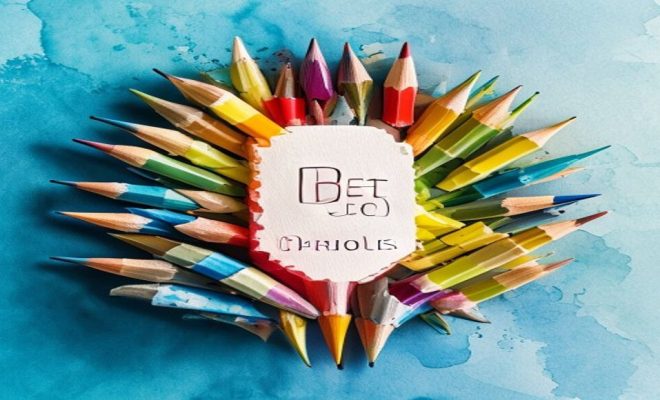
Best Watercolor Pencils
“`html
Are you ready to take your art to the next level? Watercolor pencils offer a unique blend of the precision of colored pencils and the fluidity of watercolors, making them a favorite among artists of all skill levels. In this comprehensive guide, we’ll dive deep into the best watercolor pencils on the market, explore their features, benefits, and how to use them effectively.
1. Durable and Versatile: Faber-Castell Albrecht Dürer Watercolor Pencils
When it comes to watercolor pencils, Faber-Castell’s Albrecht Dürer line is often hailed as the gold standard. Renowned for their high pigment concentration and smooth application, these pencils are suitable for both detailed work and broader washes. The vibrant colors are fully soluble, allowing for seamless blending and layering when activated with water.
With a range of over 100 colors, artists can create stunning gradients and intricate designs easily. Whether you’re a beginner or a seasoned professional, these pencils come with a firm yet break-resistant lead, making them ideal for both sketching and full-blown watercolor projects. The versatility of the Albrecht Dürer pencils is one of the reasons they consistently rank among the best watercolor pencils available today.
2. Affordable Quality: Prismacolor Watercolor Pencils
If you’re looking for quality without breaking the bank, Prismacolor’s watercolor pencils are a fantastic option. Known for their rich pigments and smooth application, these pencils glide effortlessly across the paper. They are perfect for beginners who are just starting to experiment with watercolor techniques.
Prismacolor pencils are easy to blend and can produce a stunning range of hues when activated with water. They are available in sets that range from 12 to 72 colors, allowing users to choose the size that best fits their needs and budget. These pencils are an ideal choice for artists who want to explore watercolor effects without a hefty investment.
3. Professional Grade: Derwent Inktense Pencils
If you’re interested in a more intense and vibrant color experience, Derwent Inktense pencils might be the best watercolor pencils for you. Unlike traditional watercolor pencils, Inktense pencils have an ink-based formula that dries permanently once activated with water, making them ideal for layering and detail work.
These pencils can be used on various surfaces, including paper, fabric, and even wood, providing artists with the flexibility to explore different mediums. The color payoff is intense, and the ability to control the saturation of the color allows for a more dynamic creative process. For artists looking to achieve bold, striking results, Derwent Inktense is a top contender.
4. Eco-Friendly Option: Caran d’Ache Museum Aquarelle
For artists who are environmentally conscious, Caran d’Ache’s Museum Aquarelle pencils stand out as one of the best watercolor pencils. These Swiss-made pencils are crafted from high-quality pigments and are free from harmful chemicals, making them a safe choice for artists of all ages.
The Museum Aquarelle pencils boast a wide range of 76 colors, each providing excellent lightfastness and solubility. Their creamy texture allows for smooth application, making it easy to create washes and gradients. Additionally, the colors remain vibrant even after drying, ensuring long-lasting results. This premium option not only supports your creative endeavors but also aligns with eco-friendly practices.
5. Travel-Friendly: Derwent Watercolour Travel Pencils
If you’re an artist on the go, the Derwent Watercolour Travel Pencils are among the best watercolor pencils for portability. These compact pencils come in a convenient tin, making them easy to carry for sketching sessions in the park or while traveling.
Despite their size, these pencils do not compromise on color quality. They are vibrant, easy to blend, and perfect for creating quick studies or more detailed work when you have limited space or time. With 24 colors to choose from, the Derwent Watercolour Travel Pencils provide versatility and convenience for artists looking to capture inspiration wherever they are. (See: Watercolor pencil overview on Wikipedia.)
6. Unique Texture: Koh-I-Noor Mondeluz Watercolor Pencils
Koh-I-Noor’s Mondeluz Watercolor Pencils are designed to deliver a unique textural experience, making them some of the best watercolor pencils for textured applications. These pencils are known for their rich pigments and solid cores, allowing artists to achieve both fine details and broad strokes with ease.
The Mondeluz line offers a wide range of colors that blend beautifully and can create interesting textures when layered. They are ideal for artists interested in mixed media, as they work well with other materials. This duality allows you to experiment with different techniques while maintaining the integrity of your artwork.
7. Best for Beginners: Arteza Watercolor Pencils
For those just getting started with watercolor pencils, Arteza offers a reliable and budget-friendly option. Their watercolor pencils are designed specifically for beginners, featuring a smooth application that makes it easy to learn various techniques.
The Arteza pencils are highly pigmented and blend well, allowing new artists to experiment without feeling overwhelmed. They offer a set that includes 48 colors, providing ample variety for creating vibrant pieces. Additionally, Arteza’s commitment to quality ensures that beginners have a solid foundation to develop their artistic skills.
How to Choose the Best Watercolor Pencils for You
Choosing the best watercolor pencils can feel overwhelming given the vast number of options available. Here are some factors to consider:
- Quality of Pigment: Look for pencils with high-quality pigments that offer rich, vibrant colors.
- Blendability: The ability to blend colors easily with water is crucial for creating beautiful washes.
- Lightfastness: This indicates how resistant the colors are to fading over time when exposed to light.
- Texture: Some artists prefer a smoother feel, while others may enjoy a more textured application.
- Price: It’s essential to find a balance between quality and budget. Many high-quality options are available at various price points.
Tips for Using Watercolor Pencils Effectively
Once you’ve chosen your watercolor pencils, it’s time to start creating! Here are some tips to help you make the most of your pencils:
- Layering: Start with light layers and gradually build up to darker colors. This approach allows for better blending and control.
- Brush Technique: Experiment with different brush sizes and types when activating the pencil with water. A larger brush can create broader washes, while a smaller brush is great for detailing.
- Paper Selection: Use watercolor paper or mixed media paper to achieve the best results, as these types of paper can handle water without warping.
- Practice: Like any artistic medium, practice is key. Don’t be afraid to experiment with different techniques and styles.
Exploring Different Techniques with Watercolor Pencils
Watercolor pencils are incredibly versatile, and there are numerous techniques you can explore. Here are a few to get you started:
Wet-on-Wet Technique
To achieve soft blends and smooth transitions between colors, try the wet-on-wet technique. Start by applying a layer of water to your paper using a brush. Then, apply the watercolor pencil directly to the wet surface. The colors will spread and blend into one another, creating a beautiful effect.
Dry Brush Technique
This technique involves using a dry brush to apply water to the pencil marks on dry paper. It creates a more controlled application and allows you to maintain the integrity of the pencil strokes while adding some watercolor effects. This is particularly effective for adding fine details or textures.
Color Lifting
If you want to lighten colors or remove some pigment, you can use a damp brush to lift the color off. This technique is excellent for correcting mistakes or creating highlights in your artwork. Just wet the brush and gently scrub the area where you need to lift color.
Blending Colors
Blending is one of the most enjoyable parts of working with watercolor pencils. You can layer different colors and then use a damp brush or even your finger to blend them together. This will create a smooth transition and a unique color palette that’s entirely your own.
Watercolor Pencils vs. Traditional Watercolors
While both watercolor pencils and traditional watercolors offer unique advantages, they serve different purposes depending on your artistic style and preferences. Here’s a comparison to help you decide which medium might be best for you: (See: CDC on the importance of clean water.)
- Control: Watercolor pencils provide more control compared to traditional watercolors, as you can draw precise lines and then activate them with water. This is especially useful for detailed work.
- Portability: Watercolor pencils are easier to transport than tubes or pans of watercolor paints, making them a great option for artists who like to work on the go.
- Mixing Colors: While traditional watercolors can be mixed on a palette, watercolor pencils allow for mixing colors on the paper itself, offering a different blending experience.
- Setup Time: Watercolor pencils typically require less setup than traditional watercolors, which need to be activated and diluted before use.
- Experimentation: Watercolor pencils are excellent for experimenting with various techniques, as they allow for more immediate feedback on color combinations and layering.
Frequently Asked Questions
What paper do I need for watercolor pencils?
Using watercolor paper is ideal, as it’s designed to handle water application without warping. Look for papers labeled as cold-pressed or hot-pressed for the best results. Mixed media paper can also work if it has a sturdy weight.
Can I use watercolor pencils without water?
Absolutely! Watercolor pencils can be used dry just like regular colored pencils. You can achieve vibrant colors and fine details without activating them with water.
How do I sharpen watercolor pencils?
Use a sharpener designed for colored pencils, as it will help maintain the integrity of the lead. Alternatively, you can use a craft knife to carefully sharpen the pencils, especially if you want a fine point for detailed work.
Are watercolor pencils lightfast?
Lightfastness varies by brand and specific pencil. Always check the manufacturer’s specifications for lightfast ratings to ensure your artwork will stand the test of time.
How do I store watercolor pencils?
Store your watercolor pencils in a cool, dry place, preferably in a pencil case or a tin to prevent them from breaking. Keep them away from direct sunlight to prevent fading and preserve the colors.
Advanced Techniques for Mastering Watercolor Pencils
Once you’ve got the basics down, it’s time to explore advanced techniques to elevate your artwork. Here are some specialized methods that can help you achieve stunning effects:
Underpainting with Watercolor Pencils
Underpainting is a technique where you lay down a base layer of color before applying additional layers. Start by using your watercolor pencils to create an underpainting that defines the major shapes and colors in your composition. Activate this layer with water, allowing the colors to blend and create a smooth foundation. Once dry, you can build additional layers on top, enhancing depth and dimensionality.
Creating Textured Backgrounds
Textured backgrounds can add interest to your artwork. Use a stippling technique with your watercolor pencils to create a textured effect. By lightly applying the pencil to the paper without too much pressure, you’ll create a speckled look. Afterward, activate it with a damp brush, allowing the colors to bleed slightly while retaining some of the original texture for a more dynamic background.
Incorporating Mixed Media
Watercolor pencils are fantastic for mixed media projects. Combine them with other materials like ink, pastels, or even acrylics for a unique look. For instance, you can sketch your outlines with a waterproof ink pen, then use watercolor pencils to add color and texture. This combination gives you precision with the ink and the fluidity of watercolors, resulting in captivating artwork.
Choosing the Right Tools
Along with your watercolor pencils, the right tools can enhance your creative process. Here are some essential tools every watercolor pencil artist should consider: (See: New York Times article on watercolor painting.)
Quality Brushes
Investing in a variety of brushes is essential. A good watercolor brush should have a fine tip for detail work and a larger flat brush for washes. Natural hair brushes hold more water and paint, while synthetic brushes can be more durable and economical. Experimenting with different shapes—like round and flat brushes—can help you achieve various effects.
Water Containers
Having a dedicated container for water is critical. Consider using a water pot with two compartments: one for clean water (for rinsing brushes) and the other for dirty water (for washing off excess pigment). This setup helps you maintain the vibrancy of your colors while painting.
Pencil Cases and Organizers
Keeping your watercolor pencils organized can save you time and frustration. Look for a pencil case or organizer that can protect your pencils and keep them from breaking. Some cases come with individual slots for each pencil, making it easy to find the color you need.
Inspiration from Other Artists
Sometimes, looking at the work of other artists can provide you with fresh ideas and techniques to try. Joining online art communities, viewing tutorials, and participating in challenges can inspire you to push the boundaries of your creativity.
Platforms like Instagram, Pinterest, and YouTube are rich resources for finding watercolor artists who share their processes, tips, and tricks. Engaging with these communities can also lead to constructive feedback on your work, further enhancing your skills.
Watercolor Pencil Brands to Explore
While we’ve highlighted several top brands, there are many other options worth exploring. For instance, brands like Holbein and Lyra also offer unique watercolor pencils with distinct characteristics. If you’re curious, consider trying out a few different brands to see which ones resonate with your artistic style.
Final Thoughts on Watercolor Pencils
The world of watercolor pencils is rich and diverse, offering artists the opportunity to explore a range of techniques and styles. From the professional-grade options like Faber-Castell Albrecht Dürer to budget-friendly choices like Arteza, there’s something for every artist. Whether you’re a beginner or an experienced creator, investing in one of the best watercolor pencils can enhance your artistic journey and lead to stunning results.
“`
Trending Now
Frequently Asked Questions
What are the best watercolor pencils for beginners?
For beginners, Prismacolor Watercolor Pencils are a great choice due to their rich pigments, smooth application, and affordability. They allow new artists to experiment with watercolor techniques without a significant financial investment.
How do you use watercolor pencils effectively?
To use watercolor pencils effectively, first, draw your design with the pencils, then activate the pigments with a wet brush to create fluid watercolor effects. Experiment with blending and layering to achieve desired results.
What is the difference between watercolor pencils and regular colored pencils?
Watercolor pencils combine the precision of colored pencils with the fluidity of watercolors. They can be used dry for detailed work or activated with water to create washes, blending, and gradients, unlike regular colored pencils.
Are Faber-Castell watercolor pencils worth the price?
Yes, Faber-Castell Albrecht Dürer Watercolor Pencils are considered worth the price due to their high pigment concentration, versatility, and smooth application. They are suitable for both detailed work and broader washes, making them a favorite among artists.
Can you blend watercolor pencils?
Absolutely! Watercolor pencils are designed for blending. You can layer colors and then use a wet brush to activate and blend the pigments, allowing for stunning gradients and intricate designs.
What did we miss? Let us know in the comments and join the conversation.