How to eat healthy during pregnancy
“`html
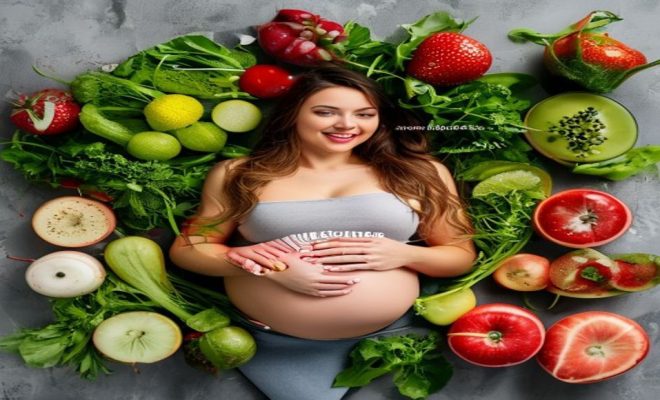
Pregnancy is a miraculous journey, but it also comes with its own set of challenges and responsibilities. One of the most critical aspects of this period is nutrition. Healthy eating during pregnancy not only impacts your well-being but also plays a significant role in the development of your baby. In this comprehensive guide, we’ll explore essential principles, practical tips, and the latest research on how you can maintain a balanced diet for the health of both you and your little one.
1. Understanding Nutritional Needs
During pregnancy, your body undergoes numerous changes, which means that your nutritional needs will also shift. You’ll need to increase your caloric intake, but it’s not just about eating more; it’s about eating the right foods. Research indicates that pregnant women should consume an additional 300-500 calories per day, depending on their activity level.
Key nutrients include folic acid, iron, calcium, and protein. Folic acid is vital for neural tube development, while iron supports increased blood volume. Calcium is essential for bone development, and protein helps with the growth of fetal tissue, including the brain. Aim to include a variety of foods to cover all your nutritional bases.
2. Essential Nutrients for Pregnant Women
Let’s break down some of the most crucial nutrients needed during pregnancy:
- Folic Acid: This B-vitamin is crucial for preventing neural tube defects. Pregnant women should aim for at least 600 mcg daily, which can be obtained from leafy greens, lentils, and fortified cereals.
- Iron: Expecting mothers need about 27 mg of iron daily. Sources include lean meats, beans, and spinach. Iron-rich foods can help prevent anemia, which is common during pregnancy.
- Calcium: About 1,000 mg of calcium per day is vital for fetal bone development. Dairy products, tofu, and fortified plant milks are great sources.
- Omega-3 Fatty Acids: Essential for brain development, aim for sources like fatty fish and walnuts. A daily intake of 300 mg of DHA is recommended.
- Vitamin D: Necessary for calcium absorption, pregnant women should get at least 600 IU per day. Sunlight and fortified foods can help meet this requirement.
Incorporating these nutrients into your diet can significantly impact your pregnancy experience and your baby’s development.
3. Food Groups to Focus On
To achieve healthy eating during pregnancy, it’s crucial to focus on specific food groups to ensure a balanced diet:
- Fruits and Vegetables: Aim for five servings a day. Fresh, frozen, or canned options are all beneficial. These foods are rich in essential vitamins and minerals.
- Whole Grains: Choose whole-grain bread, brown rice, and oats to increase your fiber intake, which can help prevent constipation, a common issue during pregnancy.
- Protein Sources: Incorporate a mix of meats, eggs, legumes, and dairy products. This helps in the growth of fetal tissues and maintains your own health.
- Dairy: Aim for three servings a day to ensure adequate calcium and vitamin D intake. Choose low-fat options when possible.
By concentrating on these food groups, you can create a nutritious, balanced meal plan that supports both your health and that of your baby.
4. Hydration: The Overlooked Component
While we often focus on what we eat, hydration is equally important during pregnancy. Water plays a crucial role in helping your body maintain amniotic fluid levels, support nutrient transport, and regulate body temperature.
Pregnant women should aim for at least 8-10 glasses of water a day. If you find plain water boring, consider infusing it with slices of fruits or herbs to enhance the flavor. Herbal teas can also be a good alternative, but make sure to check with your healthcare provider about which are safe for you.
5. Foods to Avoid
While there are plenty of nutritious foods to embrace, there are also those you should avoid to ensure a healthy pregnancy. High-risk foods can lead to foodborne illnesses or pose risks to fetal development.
- Raw or Undercooked Fish and Meat: These can harbor harmful bacteria like Listeria or Salmonella. Always cook meat thoroughly and avoid sushi made with raw fish.
- Unpasteurized Dairy Products: These can carry Listeria, leading to severe complications. Stick to pasteurized options.
- Caffeine: Excessive caffeine intake can lead to low birth weight. Limit your intake to 200 mg per day, roughly equivalent to one 12-ounce cup of coffee.
- Alcohol: There is no known safe amount of alcohol during pregnancy. It’s best to avoid it altogether to minimize risks of fetal alcohol spectrum disorders.
Being mindful of these foods can help you make safer dietary choices throughout your pregnancy.
6. Meal Planning and Preparation
Healthy eating during pregnancy goes beyond just knowing what to eat; it’s about planning ahead. Meal prep can save you time and ensure that you always have nutritious options on hand. (See: Importance of folic acid during pregnancy.)
Begin by creating a weekly meal plan that incorporates a variety of foods from all essential food groups. Consider batch cooking meals, such as soups or casseroles, that can be portioned out and frozen for later use. Keep healthy snacks like nuts, yogurt, and cut-up veggies readily available to curb cravings.
Involving your partner or family in meal preparation can also make it a fun and engaging activity. Plus, it ensures you have a support system in place for your healthy eating journey.
7. Listening to Your Body
Every pregnancy is unique, and it’s essential to listen to your body’s signals. Some women may experience cravings for certain foods, while others may develop aversions. It’s normal to feel this way, and it’s okay to indulge in moderation.
If you’re craving something, consider healthier alternatives. For instance, if you have a hankering for sweets, opt for a fruit salad or yogurt with honey instead of candy. On the other hand, if you’re feeling nauseous, smaller, more frequent meals might help ease that discomfort.
Always consult with your healthcare provider if you have any concerns about your diet or your body’s reactions during pregnancy.
8. The Role of Supplements
While a balanced diet is crucial, sometimes it may not be enough to meet all your nutritional needs. Prenatal vitamins are often recommended to fill gaps in your diet. These typically contain higher levels of folic acid, iron, and other essential nutrients.
Talk to your healthcare provider about which supplements are right for you. They can recommend specific brands or formulations based on your individual health needs and dietary restrictions.
9. Staying Active and Managing Stress
Healthy eating during pregnancy goes hand in hand with maintaining a healthy lifestyle, which includes regular physical activity and stress management. Exercise can relieve pregnancy-related discomfort, improve mood, and promote better sleep.
Activities like walking, swimming, and prenatal yoga can be excellent choices, but always consult your doctor before starting any new exercise regimen. Additionally, finding ways to manage stress, like meditation or deep-breathing exercises, can also contribute to a healthier pregnancy experience.
10. Understanding Pregnancy Cravings and Aversions
Pregnancy can bring about a whirlwind of cravings and aversions, often leaving women puzzled by their sudden preference for certain foods or aversion to others. Research suggests that hormonal changes, particularly increased levels of progesterone and estrogen, can greatly influence these cravings.
Some women find themselves craving sweet or salty snacks, while others might have an aversion to foods they previously enjoyed. These changes can often be attributed to the body’s need for specific nutrients or the heightened sense of smell during pregnancy. Although indulging in cravings occasionally is fine, it’s important to balance those desires with healthier options.
For example, if you find yourself craving something salty, try opting for popcorn seasoned with herbs instead of chips. If you have a sweet tooth, consider fruits or yogurt instead of high-sugar desserts. Listening to your body and choosing healthier alternatives can help maintain a balanced diet.
11. Common Nutritional Myths During Pregnancy
With so much information available, it’s easy to get caught up in myths surrounding nutrition during pregnancy. Here are some common misconceptions: (See: Nutrition guidelines during pregnancy.)
- You’re eating for two: While it’s true you need more nutrients, the idea that you should double your intake is misleading. Focus instead on nutrient-dense foods to meet your needs.
- All seafood is off-limits: While you should avoid high-mercury fish, many seafood options like salmon and shrimp are safe and provide essential nutrients like omega-3 fatty acids.
- Cravings mean you should indulge: Cravings can indicate nutritional needs, but indulging every time can lead to unhealthy habits. Moderation is key.
- Vegetarians and vegans can’t get enough protein: With careful planning, vegetarians and vegans can meet their protein needs through a variety of plant sources like legumes, nuts, and whole grains.
Being aware of these myths can empower you to make informed choices during your pregnancy.
12. Tips for Eating Healthy on a Budget
Maintaining healthy eating during pregnancy doesn’t have to break the bank. Here are some tips to help you eat well while keeping costs low:
- Plan Your Meals: Creating a meal plan for the week can help you buy only what you need and reduce waste.
- Buy in Bulk: Purchasing items like grains, beans, and frozen fruits and vegetables in bulk can save you money in the long run.
- Choose Seasonal Produce: Seasonal fruits and vegetables are often cheaper and more nutritious. Visit local farmers’ markets to find fresh deals.
- Cook at Home: Preparing meals at home is generally more cost-effective than dining out. Batch cooking can also save time and energy.
- Use Store Brands: Generic or store-brand products are often just as nutritious as name-brand items but at a lower price.
With these strategies, you can prioritize healthy eating without putting a strain on your finances.
13. Expert Perspectives on Healthy Eating During Pregnancy
Seeking guidance from healthcare professionals can provide tailored advice to support your nutritional journey. Not only can they offer personalized recommendations based on your health history, but they can also help debunk myths and provide evidence-based information.
Many nutritionists emphasize the importance of whole foods over processed options. Dr. Jane Smith, a registered dietitian, suggests, “Focusing on whole, unprocessed foods can significantly benefit both mom and baby. It’s about quality over quantity.”
Engaging with specialists can also help address specific dietary concerns, such as managing gestational diabetes or food allergies, ensuring that you’re on the right track throughout your pregnancy.
14. Frequently Asked Questions about Healthy Eating During Pregnancy
What are the best snacks for pregnant women?
Healthy snacks can include Greek yogurt with fruit, nuts, whole-grain crackers with hummus, and cut-up veggies with dip. These options provide nutrients without excessive calories.
How can I ensure I’m getting enough folic acid?
In addition to prenatal vitamins, include foods rich in folate such as leafy greens, beans, and fortified cereals in your diet. It’s essential to start this even before conception.
Is it safe to eat takeout during pregnancy?
Yes, but be cautious. Opt for healthier menu options and ensure that the food is fully cooked and from reputable establishments to minimize risks of foodborne illnesses.
How much weight should I gain during pregnancy?
Weight gain varies based on your pre-pregnancy weight. The general guideline is about 25-35 pounds for those with a normal BMI, but it’s essential to consult your healthcare provider for personalized recommendations.
Are there any health benefits to eating organic foods during pregnancy?
While organic foods can be free from pesticides and synthetic additives, the most crucial factor is consuming a balanced diet rich in nutrients. If budget allows, organic can be a good choice, particularly for produce. (See: Maternal nutrition recommendations.)
15. Exploring Cultural Perspectives on Pregnancy Nutrition
Nutrition during pregnancy can vary greatly across different cultures, with each having unique practices and beliefs. For example, in many Asian cultures, there are traditions surrounding specific foods believed to promote a healthy pregnancy. Foods such as seaweed and ginger are often included for their health benefits, including reducing nausea and providing essential nutrients.
In Mediterranean cultures, a diet rich in fruits, vegetables, whole grains, and healthy fats is emphasized. Studies have shown that such diets can lead to better pregnancy outcomes by promoting healthy weight gain and lowering risks of gestational diabetes.
Understanding these cultural practices can provide insights into diverse approaches to healthy eating during pregnancy, allowing you to explore a wider variety of nutritious foods.
16. Meal Ideas for Each Trimester
As your pregnancy progresses, your nutritional needs may shift. Here are some meal ideas tailored for each trimester:
First Trimester
- Breakfast: Smoothie with spinach, banana, almond milk, and a scoop of protein powder.
- Lunch: Quinoa salad with chickpeas, cherry tomatoes, and a lemon vinaigrette.
- Dinner: Grilled chicken breast with steamed broccoli and brown rice.
- Snack: Whole grain crackers with avocado.
Second Trimester
- Breakfast: Oatmeal topped with fresh berries and a dollop of Greek yogurt.
- Lunch: Turkey and cheese wrap with mixed greens and hummus.
- Dinner: Baked salmon with sweet potatoes and asparagus.
- Snack: Apple slices with almond butter.
Third Trimester
- Breakfast: Scrambled eggs with spinach and whole-grain toast.
- Lunch: Lentil soup with a side salad, dressed with olive oil and balsamic vinegar.
- Dinner: Stir-fried tofu with mixed vegetables and brown rice.
- Snack: A handful of mixed nuts and dried fruit.
These meal ideas not only cater to your changing appetite but also ensure you’re meeting the dietary requirements for each stage of your pregnancy.
17. The Impact of Stress on Nutrition
Stress can significantly affect your eating habits and nutritional choices during pregnancy. High stress levels may lead to emotional eating or a decreased appetite, both of which can impact your health and that of your baby.
Finding healthy coping mechanisms is crucial. Practices such as mindfulness, yoga, or even taking short walks can help manage stress. Additionally, talking about your feelings with friends, family, or a professional can provide support and alleviate anxiety. Managing stress effectively can lead to healthier eating choices and a more enjoyable pregnancy experience.
With the right approach, healthy eating during pregnancy doesn’t have to be overwhelming. By focusing on balanced meals, listening to your body, and nurturing both your physical and emotional well-being, you can create a fulfilling and healthy pregnancy journey. Remember, you’re not just nurturing yourself; you’re also laying the foundation for your baby’s future health.
“`
Trending Now
Frequently Asked Questions
What are the best foods to eat during pregnancy?
The best foods to eat during pregnancy include leafy greens, lentils, lean meats, beans, dairy products, and fortified cereals. These foods provide essential nutrients such as folic acid, iron, calcium, and protein, which are crucial for both maternal health and fetal development.
How many extra calories do you need during pregnancy?
During pregnancy, women typically need to increase their caloric intake by 300-500 calories per day, depending on their activity level. This increase should focus on nutrient-dense foods to support both the mother and the developing baby.
What vitamins and minerals are important during pregnancy?
Key vitamins and minerals important during pregnancy include folic acid, iron, calcium, and omega-3 fatty acids. Folic acid helps prevent neural tube defects, while iron supports increased blood volume, calcium is vital for bone development, and omega-3s are essential for brain development.
How can I ensure I'm getting enough folic acid during pregnancy?
To ensure adequate folic acid intake during pregnancy, aim for at least 600 mcg daily. You can achieve this by consuming leafy greens, lentils, fortified cereals, and taking prenatal vitamins as recommended by your healthcare provider.
Is it safe to eat fish during pregnancy?
Yes, it is safe to eat fish during pregnancy, but it’s important to choose low-mercury options like salmon, sardines, and trout. Fish provides essential omega-3 fatty acids necessary for brain development, but limit high-mercury fish like shark and swordfish.
What did we miss? Let us know in the comments and join the conversation.