Master the Handstand: A Comprehensive Tutorial
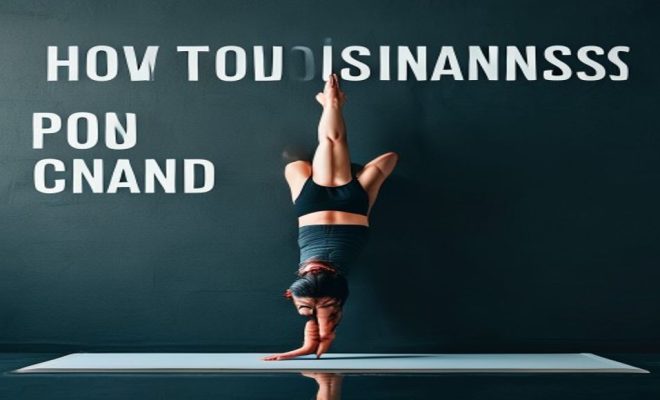
Handstands are not just an impressive party trick; they represent a significant achievement in strength, balance, and control. Whether you’re a seasoned gymnast, a yoga enthusiast, or a curious beginner, mastering a handstand can be a fulfilling challenge. In this comprehensive handstand tutorial, we’ll break down the essentials of achieving a perfect handstand, from understanding the mechanics to practical tips for practice.
1. The History of Handstands
The handstand has a rich history that spans cultures and centuries, often viewed as a symbol of strength and balance. Ancient Greeks and Romans valued physical prowess, and handstands featured prominently in their athletic competitions. The acrobatic maneuvers we see today evolved from these early practices, influenced by circus performers in the 19th century and modern gymnastics.
In contemporary times, handstands are not just limited to gymnastics; they’ve found their place in yoga, CrossFit, and even parkour. Each discipline brings its own techniques and nuances to the practice, making the handstand a versatile skill worth mastering.
2. Understanding the Mechanics of a Handstand
To perform a handstand, you need to grasp the basic mechanics involved. Fundamentally, a handstand requires strength in your shoulders, arms, and core. Your body must form a straight line from your fingertips to your toes, which means paying attention to alignment is crucial.
Your center of gravity shifts when you’re inverted, so understanding how to balance your weight is key. Most beginners tend to arch their backs or kick their legs, which can lead to falls. The goal is to press through your shoulders and engage your core to maintain a stable position. Knowing these points will set the foundation for your practice.
3. Prerequisites for a Successful Handstand
Before attempting a handstand, it’s beneficial to build up your upper body strength and core stability. Exercises like push-ups, planks, and shoulder taps can help develop the necessary strength. Additionally, flexibility in your shoulders and hamstrings is crucial for maintaining a straight line.
- Shoulder Strength: Incorporate exercises like handstand push-ups and wall walks.
- Core Engagement: Planks, hollow body holds, and leg raises are effective for core stability.
- Flexibility: Regular stretching can enhance both shoulder and hamstring flexibility.
Assess your current strength and flexibility to identify areas that may need improvement before diving into the handstand practice.
4. Finding the Right Space and Safety Measures
Choosing the right environment for practicing handstands is essential. Ideally, find a space with ample room and a soft surface, such as grass or a mat, to cushion falls. You might want to use a wall for support as you build confidence.
Safety is paramount. It’s wise to practice in an area free of obstacles. Consider using mats or pillows to minimize injuries during your learning process. Also, practicing with a partner can provide reassurance and guidance, ensuring you’re learning in a safe environment.
5. Step-by-Step Handstand Tutorial
Now that you’re prepared, let’s break down the handstand step-by-step:
- Start Position: Stand tall, arms overhead, and engage your core.
- Kick Up: From a standing position, kick one leg up while keeping the other leg grounded. Aim to reach a vertical position.
- Engage Your Body: Once your feet are off the ground, engage your core, and press through your shoulders. Your body should be straight.
- Balance: Use your fingers to adjust your balance. If you lean too far back, you will fall. If you lean forward, push through your fingers to correct.
- Hold It: Aim to hold the position for 5-10 seconds, gradually increasing the duration as you build strength.
Practice these steps consistently to develop your handstand proficiency. Remember, patience is key; don’t rush the process!
6. Common Mistakes to Avoid
As with any skill, there are common pitfalls when learning handstands. One prevalent mistake is not engaging the core effectively. A loose core can lead to poor alignment and instability. (See: Wikipedia article on handstands.)
Another common error is over-reliance on kicking up with momentum rather than controlled strength. This can lead to falls and frustration. Instead, focus on strength and balance rather than sheer force. Lastly, neglecting to warm up properly can increase the risk of injuries. Always take the time to prepare your body before practice.
7. Integrating Handstands into Your Workout Routine
Handstands can be an excellent addition to various workout regimens. They promote upper body strength, core stability, and balance. If you’re integrating handstands into your routine, consider pairing them with other exercises such as push-ups, planks, or yoga poses like downward dog and crow pose.
For a balanced workout, aim to practice handstands a few times a week, ensuring you allow for recovery to avoid overtraining. It’s essential to listen to your body and adjust your practice based on how you feel.
8. The Mental Aspect of Handstands
The handstand isn’t just a physical feat; it involves a significant mental component. Fear of falling is a common barrier that can hinder progress. Overcoming this fear often requires a mindset shift. Instead of viewing a potential fall as failure, see it as part of the learning process.
Visualization techniques can also be beneficial. Picture yourself successfully holding the handstand, focusing on the feeling of balance and strength. This mental rehearsal can reduce anxiety and boost confidence when you attempt the actual handstand.
9. Resources for Further Learning
While this handstand tutorial provides a solid foundation, consider expanding your knowledge through additional resources. Online platforms like YouTube have countless videos that demonstrate various handstand techniques, tips, and common mistakes.
Joining a local gymnastics or yoga class can also provide hands-on guidance from instructors. They can offer personalized feedback and help you refine your technique. Additionally, books focused on acrobatics or yoga can provide deeper insights into the technicalities of handstands and related practices.
10. Building a Handstand Routine
Creating a structured routine can greatly enhance your handstand practice. A good routine should include warm-up exercises, skill acquisition, and cooldown stretches. Here’s a sample routine to get you started:
- Warm-Up (10 minutes):
- 5 minutes of dynamic shoulder stretches (arm circles, shoulder rolls)
- 5 minutes of core activation (planks, side planks)
- Skill Acquisition (15 minutes):
- Practice wall walks (5 minutes)
- Kick up against the wall (10 minutes)
- Free Practice (10 minutes):
- Attempt handstands without the wall, focusing on balance and form.
- Cooldown (5 minutes):
- Gentle stretching focusing on shoulders and wrists.
Tailor this routine to fit your schedule and abilities, and be sure to adjust based on your progress and comfort level.
11. Understanding the Role of Nutrition
Your diet plays a significant role in your overall strength and performance, especially in a demanding skill like the handstand. Consuming a balanced diet rich in protein, healthy fats, and complex carbohydrates can help fuel your workouts and recovery.
Here are some dietary tips to consider:
- Protein: Essential for muscle repair and growth. Incorporate lean meats, legumes, and dairy products.
- Hydration: Staying hydrated is crucial for muscle function and recovery. Aim for at least eight glasses of water daily, adjusting based on your activity level.
- Complex Carbs: Foods like whole grains, fruits, and vegetables provide sustained energy for your workouts.
Think of your nutrition as fuel for your handstand journey; the better you eat, the better you can perform and recover.
12. Incorporating Variations and Advanced Techniques
As you become more comfortable with the basic handstand, you might want to explore various advanced techniques and variations. These can not only add excitement to your practice but also challenge your balance and strength in new ways. (See: CDC on physical activity and health.)
Some handstand variations to consider include:
- Handstand Push-Ups: A challenging move that combines strength and balance. Start with wall support and progress to freestanding as you gain confidence.
- One-Arm Handstands: This requires incredible balance and strength, so practice with wall support first.
- Handstand Walks: A dynamic movement that improves your coordination and balance. Start with small steps before attempting longer walks.
Exploring these variations can keep your training fresh and help you build a more balanced skillset.
13. Common Injuries and Prevention
Like any physical activity, practicing handstands can result in injuries if you’re not careful. Common injuries include wrist strains, shoulder injuries, or lower back pain. Here are some tips to prevent injuries:
- Warm-Up: Always warm up before practice to prepare your muscles and joints.
- Listen to Your Body: If you feel pain or discomfort, stop practicing and rest. Pushing through pain can lead to more serious injuries.
- Strengthening Exercises: Focus on strengthening your wrists and shoulders to support the demands of handstands.
Maintaining proper form and being aware of your body’s limits is essential for long-term success and injury prevention in your handstand journey.
14. FAQs about Handstands
1. How long does it take to learn a handstand?
Learning a handstand varies for everyone. Some may achieve it in a few weeks with consistent practice, while others might take several months. It’s essential to focus on progress rather than perfection.
2. Do I need to be flexible to do a handstand?
Flexibility helps with alignment and achieving a straight body line, but you don’t need to be extraordinarily flexible. Regular stretching and mobility work can improve your flexibility over time.
3. What if I can’t kick up into a handstand?
If kicking up feels challenging, focus on wall walks or practicing the kick-up motion without going all the way up. Gradually build strength and confidence with these drills.
4. Can handstands help improve my overall fitness?
Absolutely! Handstands engage multiple muscle groups and improve your core strength, balance, and coordination — all of which contribute positively to your overall fitness.
5. Are there any age restrictions for learning handstands?
Handstands can be practiced by individuals of all ages, provided they are physically capable. It’s always a good idea to consult with a healthcare professional if you have any concerns about starting new physical activities.
15. Tips for Progress Tracking
As you embark on your handstand journey, tracking your progress can be incredibly motivating. Here are some effective methods to keep tabs on your advancement:
- Journaling: Keep a dedicated handstand journal. Document your practice sessions, noting how long you held your handstand, any improvements you noticed, and any challenges you faced.
- Video Analysis: Recording your practice can provide visual feedback. Watching videos of yourself will allow you to notice areas for improvement and celebrate your successes.
- Set Milestones: Establish short-term and long-term goals. For example, aim to hold a handstand for 5 seconds within a month or to transition to a handstand push-up in three months.
By setting specific milestones and tracking your progress, you’ll maintain motivation and see just how far you’ve come in your handstand practice.
16. Building a Community
Finding a supportive community can enhance your handstand journey. Engaging with others who share the same goals can provide encouragement, motivation, and inspiration. Here are a few ways to connect: (See: Research on balance and strength training.)
- Social Media Groups: Join platforms like Facebook or Instagram where you can find groups dedicated to gymnastics or yoga. Share your progress and learn from others.
- Local Classes: Enroll in local gymnastics or yoga classes. Not only will you receive expert guidance, but you’ll also form friendships with fellow learners.
- Online Forums or Apps: Use fitness apps or forums to connect with handstand enthusiasts. Many platforms allow you to share tips, ask questions, and provide feedback on each other’s progress.
Building a community around your handstand practice can make the journey more enjoyable and fulfilling.
17. Adapting Handstands for Different Fitness Levels
Regardless of your fitness level, there are ways to adapt handstands to your capability. Here are some suggestions for beginners, intermediates, and advanced practitioners:
- Beginners: Focus on wall-supported handstands. Practice against the wall until you feel comfortable with your balance. You can also practice kicking up from a seated position to get used to the motion.
- Intermediate: Work on holding your handstand away from the wall and refine your technique. Begin incorporating variations like tuck or straddle handstands as you gain strength and control.
- Advanced: Challenge yourself with one-arm handstands or handstand walking. You can also experiment with transitions between different variations, such as moving from a handstand to a split or back to a tucked position.
Remember, everyone progresses at their own pace. Celebrate your personal milestones, regardless of where you start.
18. Inspiration from Handstand Practitioners
Looking up to others who have mastered the handstand can provide inspiration and motivation. Many athletes, yogis, and performers share their journeys online. Here are a few notable figures to follow:
- Gymnasts: Many elite gymnasts showcase their handstand skills on platforms like Instagram. They often provide tips and insights based on their training experiences.
- Yoga Instructors: Yoga practitioners frequently include handstands in their routines. Following experienced yogis can give you a different perspective on handstand practice, focusing on breath and flow.
- Fitness Influencers: Look for fitness influencers who specialize in calisthenics or bodyweight training. They often share creative workouts and challenges involving handstands.
Following these individuals can not only inspire you but also offer new techniques and insights to integrate into your practice.
19. Quick Review of Handstand Benefits
Handstands offer a wide array of benefits beyond just the thrill of doing one. Here’s a quick review of some key advantages:
- Increases upper body strength: Handstands engage muscles in the shoulders, arms, and core, promoting strength development.
- Improves balance and coordination: The act of balancing upside down enhances your overall body control.
- Boosts confidence: Mastering a handstand can significantly enhance your self-esteem and overall body awareness.
- Supports joint health: Weight-bearing exercises like handstands can improve bone density and joint stability.
- Enhances mental focus: Practicing handstands requires concentration, which can translate to improved focus in other areas of life.
These benefits showcase how handstands can be an integral part of a well-rounded fitness routine. Embrace the journey, and enjoy the incredible rewards that come from mastering this skill!
In summary, mastering the handstand is a journey that requires commitment, practice, and patience. With the right mindset and tools, you can achieve this remarkable skill and unlock new levels of strength and balance in your fitness journey.
Trending Now
Frequently Asked Questions
What are the benefits of doing a handstand?
Handstands offer numerous benefits, including improved upper body strength, core stability, and balance. They enhance body awareness and coordination, making them valuable for athletes in various disciplines like gymnastics, yoga, and CrossFit. Additionally, mastering a handstand can boost confidence and provide a sense of accomplishment.
How do I start practicing handstands?
To start practicing handstands, focus on building upper body and core strength through exercises like push-ups, planks, and shoulder taps. Begin with wall-supported handstands to gain confidence and balance. Gradually work on your alignment and engage your core to maintain stability as you progress to freestanding handstands.
What muscles do handstands work?
Handstands primarily engage the shoulders, arms, and core muscles. The deltoids, triceps, and pectorals are heavily utilized for support, while the abdominal and back muscles help maintain stability and balance. This full-body engagement makes handstands an effective exercise for building overall strength.
Is it hard to learn how to do a handstand?
Learning to do a handstand can be challenging, especially for beginners. However, with consistent practice and proper technique, most people can achieve it. It's important to focus on building strength, understanding balance, and gradually progressing through different stages, starting from wall-supported positions to freestanding handstands.
What should I avoid when doing a handstand?
When practicing handstands, avoid arching your back or kicking your legs, as these can lead to falls. It's crucial to maintain proper alignment, keeping your body in a straight line from fingertips to toes. Also, ensure you're engaging your core and pressing through your shoulders to maintain balance and stability.
Agree or disagree? Drop a comment and tell us what you think.