Mastering Breast Milk Storage: A Comprehensive Guide
“`html
1. Understanding Breast Milk and Its Benefits
Breast milk is often hailed as the gold standard for infant nutrition, packed with essential nutrients, antibodies, and enzymes that promote healthy growth and development. It adapts to meet the changing needs of your growing baby, providing the right balance of fat, protein, and carbohydrates. The benefits of breastfeeding extend beyond nutrition, helping to strengthen the mother-infant bond and providing emotional security.
Breast milk is rich in immunoglobulins, particularly IgA, which helps protect infants from infections during their early months. According to the World Health Organization (WHO), exclusive breastfeeding for the first six months is crucial for optimal health outcomes. However, many mothers face challenges that make direct breastfeeding difficult, such as returning to work or health issues, leading to the need for effective breast milk storage techniques.
2. Why Proper Breast Milk Storage Matters
Improper storage of breast milk can lead to nutrient loss, spoilage, and even put your baby at risk of foodborne illnesses. Understanding the science behind breast milk storage ensures that you provide your little one with the best possible nutrition. Factors like temperature, containers, and duration of storage play a crucial role in preserving the beneficial properties of breast milk.
Breast milk can be stored in different formats: fresh, refrigerated, or frozen. According to the Centers for Disease Control and Prevention (CDC), each storage method has its specific guidelines, which aim to maintain the milk’s quality and safety. By adhering to these guidelines, you can reap the full advantages of breastfeeding while accommodating your lifestyle.
3. Different Storage Methods for Breast Milk
When it comes to breast milk storage, you have options. Here’s a breakdown of the primary methods:
- Refrigeration: Freshly expressed breast milk can be stored in the refrigerator for up to four days. Make sure to place the milk in the back of the fridge, where the temperature is consistently cool.
- Freezing: If you plan to store breast milk for a more extended period, freezing is your best bet. Properly stored breast milk can last in the freezer for six months to a year, depending on the freezer’s temperature.
- Room Temperature: Immediately after expressing, breast milk can be kept at room temperature (up to 77°F or 25°C) for about four hours.
Understanding these methods allows you to choose the best option based on your lifestyle and your baby’s needs.
4. Best Containers for Breast Milk Storage
The choice of storage containers directly impacts the safety and quality of breast milk. Not all containers are created equal, and using the right ones is essential for preserving the milk’s nutrients. Here are some recommended options:
- Breast Milk Bags: Specially designed for freezing and storing breast milk, these bags are typically made from BPA-free materials. They are versatile and come in various sizes, making it easy to portion out milk.
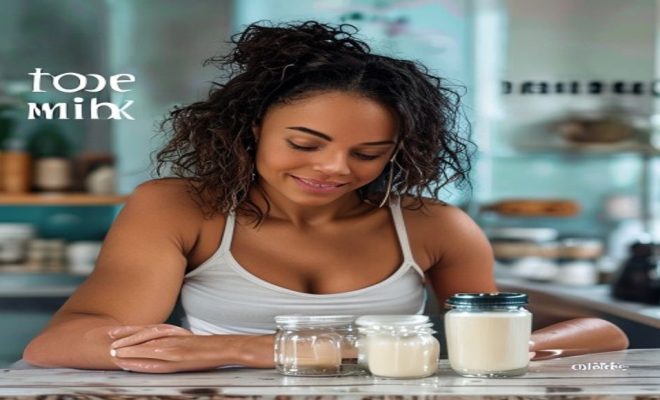
- Glass Containers: Glass jars or bottles are excellent for maintaining the quality of breast milk, especially when properly sterilized. They are durable and can be reused, making them a sustainable choice.
- Plastic Containers: If you prefer plastic, ensure that the container is specifically labeled for breast milk storage and is BPA-free. It’s essential to avoid regular plastic bottles, as they may leach harmful chemicals.
Regardless of the container you choose, always label them with the date and time of expression to keep track of storage duration.
5. Thawing and Warming Breast Milk
When you need to feed your baby with stored breast milk, proper thawing and warming techniques are crucial. Breast milk should never be microwaved, as this can create hot spots and destroy valuable nutrients. Instead, opt for these safer methods:
- Refrigerator Thawing: The safest way to thaw frozen breast milk is by placing it in the refrigerator for several hours or overnight.
- Warm Water Bath: For quicker results, place the sealed container in a bowl of warm water. Ensure that the water doesn’t reach boiling point; warm water is sufficient.
- Running Water: You can also thaw milk under running lukewarm water, which allows for even warming.
Once thawed, breast milk should be used within 24 hours and should not be refrozen. Following these guidelines ensures that your baby receives safe and nutritious milk.
6. Common Mistakes to Avoid in Breast Milk Storage
Even with the best intentions, mistakes can happen. Here are some common pitfalls to avoid when it comes to breast milk storage: (See: World Health Organization on breastfeeding.)
- Not Labeling Containers: Failing to mark the date and time of expression can lead to confusion about which milk to use first, risking spoilage.
- Using the Wrong Containers: Storing breast milk in non-BPA-free plastic containers can be harmful. Always choose containers designed for breast milk storage.
- Overfilling Containers: Breast milk expands when frozen. Leave some space at the top of the container to allow for this expansion.
Being mindful of these mistakes can save you time, money, and ensure your baby’s safety.
7. Breast Milk Storage and Safety Guidelines
To keep your breast milk safe and nutritious, it’s vital to follow established guidelines. Refer to these safety practices:
- Temperature Control: Keep your refrigerator at or below 40°F (4°C) and your freezer at 0°F (-18°C) or lower.
- Duration: Follow recommended timeframes: 4 days in the fridge, 6 months in a standard freezer, and up to a year in a deep freezer.
- Inspection: Always check for signs of spoilage such as unusual odor or separation before use.
By adhering to these guidelines, you can ensure your breast milk remains safe for consumption.
8. Current Trends in Breast Milk Storage
As with many aspects of parenting, the methods and products available for breast milk storage continue to evolve. Recent trends include:
- Smart Breast Pumps: These devices connect to your smartphone and allow you to track milk expression, storage durations, and even reminders for thawing milk.
- Breast Milk Banks: In some regions, there has been a rise in breast milk banks, providing donated breast milk to babies in need, particularly preemies or those with health complications.
- Eco-Friendly Solutions: Many parents are now opting for sustainable storage solutions, such as reusable silicone bags and glass containers, reducing plastic waste.
By keeping up with these developments, you can choose the best storage methods that fit your lifestyle and values.
9. Support and Resources for New Parents
Breastfeeding and breast milk storage can be a challenging journey. Fortunately, numerous resources are available for support:
- Lactation Consultants: Professional lactation consultants can provide personalized advice and help troubleshoot any breastfeeding or storage issues.
- Online Communities: Websites and social media groups offer a platform for sharing experiences, tips, and emotional support among breastfeeding parents.
- Educational Resources: Reputable organizations like La Leche League and the CDC provide guidelines and educational materials on breast milk storage and breastfeeding practices.
Engaging with these resources can empower you as a parent, ensuring you make informed decisions about breast milk storage.
10. Breast Milk Storage: Frequently Asked Questions (FAQ)
Considering the importance of breast milk storage, here are some frequently asked questions that might help clarify your concerns:
What is the best temperature to store breast milk?
Breast milk should be stored at a temperature below 40°F (4°C) if refrigerated and at 0°F (-18°C) for freezing. These temperatures prevent the growth of harmful bacteria and preserve the milk’s nutritional qualities.
Can I mix freshly expressed milk with refrigerated or frozen milk?
Yes, but only if the freshly expressed milk is cooled down to the same temperature as the refrigerated or frozen milk. Always ensure that the older milk is used first.
How can I tell if breast milk has gone bad?
Signs of spoiled breast milk include a sour smell, a change in color, or separation of the milk. If you notice any of these signs, it’s best to discard the milk.
Can breast milk be stored in plastic bags?
Yes, but make sure to use bags specifically designed for breast milk storage. Regular plastic bags may not withstand freezing and can leach harmful chemicals. (See: CDC resources on breastfeeding.)
Is it safe to thaw breast milk at room temperature?
While it is possible to thaw breast milk at room temperature, it’s safer to do so in the refrigerator or under warm running water to minimize the risk of bacterial growth.
What is the recommended time frame for using thawed breast milk?
Thawed breast milk should be used within 24 hours and should not be refrozen once thawed. It’s important to ensure its freshness for your baby’s safety.
How do I sterilize containers for breast milk storage?
To sterilize, you can use boiling water, a steam sterilizer, or the dishwasher on a hot cycle. Ensure that the containers are completely dry before using them for storage.
What should I do if I have excess breast milk?
Having excess breast milk can be a blessing. You can store it for future use, donate it to a breast milk bank, or share it with other nursing mothers in your community.
Are there any risks associated with improper breast milk storage?
Improper storage can lead to bacterial contamination, nutrient loss, and foodborne illnesses. Always follow proper guidelines to ensure your baby’s safety and health.
11. In-Depth Comparison: Fresh vs. Frozen Breast Milk
When it comes to storing breast milk, understanding the differences between fresh and frozen milk is essential. While both options have their advantages, knowing when to use each can help ensure your baby receives the best nutrition possible.
Fresh Breast Milk
Freshly expressed breast milk retains all of its natural enzymes and antibodies. It is always preferable to use fresh milk when possible, as it provides maximum nutritional benefits. Fresh milk can be stored in the refrigerator for up to four days and should be used within this time frame for the best quality.
Frozen Breast Milk
While frozen breast milk is still an excellent option, it does undergo some changes. When frozen, certain enzymes may be affected, but the majority of nutrients remain intact. Frozen breast milk can last for up to six months in a standard freezer and a year in a deep freezer. It is essential to use the oldest milk first to minimize waste.
Comparative Benefits
Choosing between fresh and frozen breast milk often depends on your circumstances. If you’re home and can pump regularly, fresh is the way to go. However, if you’re returning to work or need to be away from your baby, having frozen milk on hand ensures your child continues to receive breast milk while you’re apart. In essence, both methods of storage can coexist and complement each other based on your lifestyle and feeding needs.
12. Expert Perspectives on Breast Milk Storage
Experts in lactation and infant nutrition emphasize the importance of proper breast milk storage. Dr. Sarah Thompson, a pediatrician and lactation consultant, underscores that “The right storage techniques help mothers provide the best nutrition for their infants, ensuring that they receive all the immunological benefits that breast milk offers.” (See: NIH article on breast milk storage.)
Dr. Thompson also points out that “Mothers often feel overwhelmed by the conflicting information available online. It’s crucial to rely on trusted sources and guidelines when it comes to breast milk storage.” Her advice includes consulting with healthcare providers when in doubt and being proactive in learning about safe practices.
13. Additional Considerations for Breast Milk Storage
Impact of Diet on Breast Milk Quality
The diet of a breastfeeding mother can influence the quality of her breast milk. Consuming a balanced diet rich in fruits, vegetables, whole grains, lean proteins, and healthy fats can enhance the nutritional profile of breast milk. Studies have shown that the fatty acid composition of breast milk varies based on maternal diet, affecting the milk’s flavor and nutrient content, which can also shape a baby’s palate as they grow.
Research on Breast Milk Storage Duration
Research suggests that while breast milk can be safely stored for the durations recommended by the CDC, its nutrient levels may begin to diminish over time, even within those safe windows. A study published in the “Journal of Human Lactation” found that milk stored for extended periods may show lower levels of certain vitamins and antibodies, which are crucial for infant health. This highlights the importance of using milk that has been stored for the shortest time possible.
Breast Milk Storage and Temperature Fluctuations
Temperature fluctuations can compromise the safety and quality of stored breast milk. For instance, frequent opening of the refrigerator or freezer can cause temperature variations, increasing the risk of bacterial growth. It is advisable to keep the door open for as short a time as possible when accessing stored milk. Additionally, investing in a thermometer for your fridge and freezer can help ensure consistent temperatures.
14. Innovative Breast Milk Storage Solutions
As technology advances, so do the solutions available for breast milk storage. Here’s a look at some innovative options:
- Breast Milk Storage Systems: Some companies offer complete systems that include storage bags, labeling, and even integrated tracking systems that help mothers manage their milk supply.
- Portable Coolers: These are designed for on-the-go storage of breast milk, ensuring that milk remains at safe temperatures while traveling.
- Sterilization Technology: New devices allow for rapid and efficient sterilization of storage containers, significantly reducing the risk of contamination.
These innovations can make the process of storing breast milk more efficient, providing peace of mind for parents everywhere.
15. The Role of Community Support in Breastfeeding
Breastfeeding can sometimes feel isolating, especially for new mothers navigating milk storage and feeding. Engaging with a community can provide invaluable support and encouragement. Consider joining local breastfeeding groups, either in person or online, to swap tips, share experiences, and ask questions. Many communities also host breastfeeding support groups or workshops led by lactation consultants, providing a space for mothers to learn and connect.
16. Conclusion: Making Informed Choices
Breast milk storage is an essential aspect of breastfeeding that affects both the safety and quality of the milk your baby receives. By understanding the different storage methods, adhering to safety guidelines, and seeking advice when needed, you can ensure your little one benefits from the wholesome nutrition that breast milk provides. As you navigate this journey, remember that you’re not alone – countless resources and communities are available to support you.
“`
Trending Now
Frequently Asked Questions
How long can breast milk be stored in the fridge?
Freshly expressed breast milk can be stored in the refrigerator for up to four days. It's essential to keep the milk in a clean, airtight container and place it in the back of the fridge, where the temperature is most consistent.
What is the best way to freeze breast milk?
To freeze breast milk effectively, use clean, BPA-free containers or breast milk storage bags. Leave some space at the top of the container to allow for expansion, and label each bag with the date to ensure proper rotation.
Can you mix fresh and frozen breast milk?
Yes, you can mix fresh and frozen breast milk, but it's important to cool the fresh milk in the fridge before combining it with frozen milk. Always use the oldest milk first to ensure none goes to waste.
How can you tell if breast milk has gone bad?
You can tell if breast milk has gone bad by checking for changes in smell, color, or texture. Spoiled milk may have a sour smell or clumpiness. When in doubt, it's best to discard it to ensure your baby's safety.
What are the guidelines for thawing frozen breast milk?
Thaw frozen breast milk by placing it in the refrigerator overnight, running it under warm water, or using a warm water bath. Avoid using a microwave, as it can create hot spots that may harm your baby.
Agree or disagree? Drop a comment and tell us what you think.