Create Your Own Thriving Terrarium: A Step-by-Step Guide
“`html
In recent years, many people have turned to indoor gardening as a way to beautify their homes and connect with nature. Among various options, terrariums have emerged as a popular choice due to their aesthetic appeal and relatively low maintenance. But how do you make a terrarium that thrives? This article will guide you through the process, providing practical insights and background information to help you create your own miniature garden.
1. Understanding Terrariums
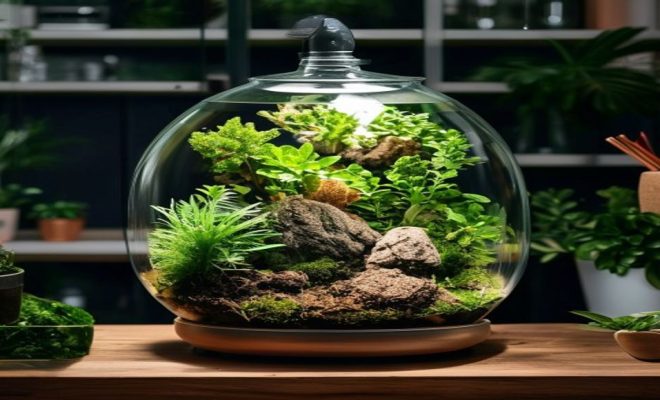
Before diving into the steps on how to make a terrarium, it’s crucial to understand what a terrarium is. A terrarium is essentially a miniature ecosystem, often enclosed in glass, containing soil, plants, and sometimes small decorative elements. They can be open or closed, with closed terrariums generally retaining moisture better due to a sealed environment.
Terrariums have a rich history dating back to the 19th century. Initially, they were created for scientific purposes, allowing botanists to study plant life in a controlled environment. Over time, they evolved into decorative items, prized for their beauty and the tranquility they bring to indoor spaces.
2. Choosing the Right Container
The first step in learning how to make a terrarium is selecting the right container. Terrarium containers come in various shapes and sizes – from simple glass jars to elaborate vases – and the choice largely depends on personal preferences and the types of plants you wish to include.
When choosing a container, consider the following:
- Size: Ensure the container is large enough to accommodate your plants but not so big that it becomes overwhelming. A smaller container can create a more intimate atmosphere.
- Shape: Unique shapes can add character to your terrarium. Round containers often offer 360-degree views of the plants, while tall containers can create a dramatic vertical effect.
- Material: Glass is the most common option for terrariums, but you can also experiment with acrylic or bottles. Just keep in mind that glass provides better visibility and tends to hold heat more effectively.
3. Selecting Plants for Your Terrarium
After securing your container, the next step in understanding how to make a terrarium is choosing the right plants. The plants you select will largely dictate the care requirements of your terrarium. Popular options include ferns, mosses, succulents, and small tropical plants.
When selecting plants, consider the following factors: (See: Wikipedia page on terrariums.)
- Light Requirements: Ensure that the plants you choose can thrive in the same light conditions. For example, if your terrarium will be in low light, opt for shade-loving plants like ferns or mosses.
- Water Needs: Group plants with similar watering needs together. Succulents and cacti require less moisture compared to ferns and tropical plants, which prefer a more humid environment.
- Growth Patterns: Consider how large the plants will grow. Make sure that the plants you choose will fit comfortably in your container without overcrowding.
4. Gathering Essential Materials
Once you’ve chosen your plants, it’s time to gather the materials needed to create your terrarium. Here’s a list of essential items:
- Glass container: As discussed, this is your terrarium’s home.
- Gravel or small rocks: These will serve as drainage to prevent water from pooling at the bottom.
- Activated charcoal: This helps to filter the air and soil, preventing odors and mold.
- Potting soil: A quality potting mix is essential for the health of the plants.
- Decorative elements: Optional items like stones, figurines, or driftwood can enhance the visual appeal of your terrarium.
5. Building Your Terrarium Layer by Layer
Now that you have your materials, it’s time to put everything together. Here’s how to build your terrarium:
- Start with Drainage: Begin by adding a 1-2 inch layer of gravel or small rocks at the bottom of the container. This layer will ensure proper drainage and prevent root rot.
- Add Activated Charcoal: Sprinkle a thin layer of activated charcoal over the gravel. This helps keep the environment fresh and prevents odors.
- Layer the Soil: Add potting soil on top of the charcoal. The amount will vary depending on the plants’ root systems, but a depth of 2-4 inches is usually sufficient.
- Insert Your Plants: Before planting, consider the layout of your terrarium. Place taller plants in the back and shorter ones in the front to create a visually appealing arrangement. Gently dig holes for the roots and plant them.
- Add Decorative Elements: After planting, you can add decorative items, but be careful not to overcrowd the terrarium. Leave enough space for the plants to grow.
6. Caring for Your Terrarium
Once your terrarium is assembled, it’s vital to understand how to care for it to ensure a thriving environment. Although terrariums are relatively low maintenance, they do require some attention:
- Light: Place your terrarium in an area with appropriate light based on the plants you’ve chosen. Avoid direct sunlight for closed terrariums, as this can lead to excessive heat and humidity.
- Watering: The key to watering a terrarium is moderation. Typically, you should water every 2-3 weeks, allowing the soil to dry slightly between waterings. Closed terrariums may need less frequent watering.
- Pruning: As plants grow, they may need occasional pruning to maintain their shape and prevent overcrowding. Monitor the plants and trim as necessary.
7. Common Mistakes to Avoid
While terrarium-making is a rewarding hobby, there are common pitfalls that beginners often encounter. Here are some mistakes to avoid:
- Overwatering: This is perhaps the most common mistake. Too much water can cause plants to rot, especially in closed terrariums. Always check the moisture level before adding more.
- Choosing Incompatible Plants: Ensure that the plants you select have similar light and moisture needs. Mixing plants with vastly different requirements can lead to a struggling ecosystem.
- Neglecting Maintenance: Even low-maintenance terrariums need some care. Ignoring your terrarium can lead to problems like mold growth or unhealthy plants.
8. Types of Terrariums
Understanding the different types of terrariums can help you choose the right style that fits your home and gardening preferences. Here are a few common types:
- Closed Terrariums: These are fully enclosed, creating a humid environment perfect for moisture-loving plants. They often use ferns, mosses, and tropical plants. Closed terrariums require minimal watering since the moisture recycles within the container.
- Open Terrariums: Open terrariums are exposed to the air, which allows for better airflow but can dry out faster. They are ideal for succulent and cacti arrangements. These require more frequent watering compared to closed versions.
- Hanging Terrariums: These are typically smaller and can be hung from ceilings or walls. They add a unique touch to your decor and are often made with glass globes. Hanging terrariums can be either open or closed but are popular for their aesthetic appeal.
- Vertical Terrariums: These are designed to be mounted on walls and feature a vertical layout. They maximize space and can create stunning green walls filled with various plants. Vertical terrariums can often accommodate a variety of plant types.
9. Decorating Your Terrarium
Once you’ve built your terrarium, think about how to make it visually appealing. Decorating is part of the fun! Here are some ideas:
- Natural Elements: Incorporate stones, driftwood, or even small branches to give your terrarium a natural look. These can serve as decorative accents while also having functional benefits, like creating height or texture.
- Figurines: Small figurines can add a whimsical touch. Think tiny animals or fairy garden elements. They can personalize your terrarium and make it more unique to your style.
- Colored Sand or Gravel: Layer colored sand or gravel to add a pop of color. This can also help to create distinct sections within your terrarium, especially if you have plants with different moisture needs.
- Lighting: Consider adding LED fairy lights to illuminate your terrarium. They can create a magical atmosphere, especially in the evening and can enhance the beauty of the plants and decorations.
10. Climate Considerations
The climate in your home can significantly influence the success of your terrarium. Here are some factors to keep in mind: (See: Nature article on terrarium ecosystems.)
- Humidity: If you live in a dry climate, you may need to mist your terrarium more frequently, especially if it is open. Closed terrariums, however, will maintain humidity on their own.
- Temperature: Ensure that your terrarium is not placed near heating vents or air conditioning units, as extreme temperature fluctuations can harm your plants. Ideally, they should be in a stable environment with consistent temperatures.
- Seasonal Changes: Pay attention to seasonal changes in light and temperature. You may need to adjust your watering schedule or relocate your terrarium depending on the season.
11. Terrarium Workshops and Classes
If you’re looking for a more guided experience on how to make a terrarium, consider attending a workshop or class. Many local garden centers, botanical gardens, and community colleges offer classes where you can learn hands-on. Here are some benefits:
- Expert Guidance: Having an expert guide you can help you avoid common pitfalls and provide personalized tips.
- Social Experience: Workshops can be a fun social activity where you meet other plant enthusiasts, share ideas, and enjoy the communal process of creating.
- Access to Materials: Many workshops provide all the materials you need, so you won’t have to worry about sourcing everything beforehand.
12. Advanced Terrarium Techniques
Once you’ve mastered the basics of how to make a terrarium, you can explore advanced techniques to take your terrarium to the next level:
- Layering Techniques: Experiment with different soil types, like adding a layer of nutrient-rich compost or using specialized substrates for particular plants. This can enhance growth and health.
- Hydroponics: For a modern twist, consider hydroponic techniques. You can set up a terrarium that does not use soil at all, instead opting for water-based systems. This approach can be visually stunning and unique.
- Terrarium Gardening: You might want to try growing herbs or small vegetables in your terrarium. Just ensure they have the right conditions to thrive, as many edible plants can be more demanding than traditional terrarium plants.
13. FAQ: How to Make a Terrarium
1. How often should I water my terrarium?
Typically, you should water every 2-3 weeks. Closed terrariums require less frequent watering as they trap moisture, creating a self-sustaining environment.
2. Can I use any type of plant in a terrarium?
Not all plants are suitable for terrariums. Choose plants that have similar light and moisture requirements. Succulents and cacti are great for open terrariums, while ferns and tropical plants work best in closed ones.
3. What should I do if my plants start to rot?
Rotting typically occurs due to overwatering. To address this, remove the affected plants and check the soil for excessive moisture. Allow it to dry out before replanting.
4. Can I use plastic containers for terrariums?
Yes, you can use plastic containers, but glass is preferred for visibility and heat retention. If using plastic, ensure it’s clear to allow light in. (See: CDC on benefits of greenery indoors.)
5. What are some good plants for beginners?
Some easy options include moss, ferns, spider plants, and pothos. These plants are generally forgiving and can adapt well to terrarium conditions.
14. Creative Themes for Your Terrarium
Want to personalize your terrarium even more? Consider creating themed terrariums! Here are some delightful ideas:
- Fairy Garden: Incorporate miniature fairy figurines, tiny furniture, and colorful stones to evoke a whimsical atmosphere. This theme is especially popular for children’s rooms or as gifts.
- Desert Landscape: For an arid feel, focus on succulents and cacti. Use sand, small pebbles, and desert-themed decorations like tiny animals or sunbaked pottery.
- Fantasy World: Create a magical scene with dragons, castles, and vibrant moss. Add some vibrant colored stones for an enchanting touch, making it look like a scene from a fairy tale.
- Under the Sea: Using blue sand or glass beads can mimic water. Small shells, fish figurines, and aquatic plants can create an underwater world.
15. How to Troubleshoot Common Terrarium Issues
Even with the best intentions, you may encounter some issues with your terrarium. Here’s how to troubleshoot:
- Mold Growth: If you spot mold, it usually means your terrarium is too wet. Remove any affected areas, increase air circulation, and reduce watering.
- Yellowing Leaves: This can be a sign of overwatering or nutrient deficiency. Adjust your watering schedule and consider adding a slow-release fertilizer.
- Stunted Growth: If your plants aren’t thriving, check the light conditions. They may need more natural light or a change in positioning.
- Pest Problems: Occasionally, pests can invade your terrarium. Use a natural insecticidal soap or neem oil to treat infestations without harming your ecosystem.
Conclusion: Your Terrarium Journey Awaits
By now, you should have a solid understanding of how to make a terrarium. From selecting the right container and plants to assembling and maintaining your mini ecosystem, each step is crucial to creating a healthy and visually appealing terrarium. Not only is this a fun and creative project, but it also allows you to connect with nature in your own living space. So gather your materials, unleash your creativity, and enjoy the therapeutic process of building your terrarium!
“`
Trending Now
Frequently Asked Questions
What materials do I need to make a terrarium?
To make a terrarium, you'll need a glass container, potting soil, small plants, decorative elements like stones or figurines, and possibly activated charcoal for drainage. Choose a container that fits your aesthetic and the plants you want to use.
How do I choose the right plants for my terrarium?
Select plants that thrive in similar environmental conditions. Small, slow-growing plants like succulents, ferns, and mosses work well. Ensure the plants fit comfortably in your container and consider their light and moisture needs.
Can I make a closed terrarium?
Yes, closed terrariums are possible and ideal for plants that prefer high humidity. They create a self-sustaining environment, retaining moisture effectively. Just ensure your container is completely sealed for the best results.
How do I care for my terrarium?
Caring for a terrarium involves placing it in indirect sunlight, watering sparingly, and occasionally trimming plants. Monitor moisture levels and be cautious of overwatering, as this can lead to mold and plant rot.
What is the history of terrariums?
Terrariums date back to the 19th century, originally created for scientific study of plant life. Over time, they transformed into decorative pieces, celebrated for their beauty and ability to bring nature indoors.
What’s your take on this? Share your thoughts in the comments below — we read every one.