How to wrap presents
“`html
When it comes to giving gifts, presentation matters just as much as the thought behind the gift itself. Gift wrapping techniques can elevate your present from a mere item to a heartfelt gesture. While some may dismiss wrapping gifts as a trivial task, mastering the art of wrapping can enhance the excitement for both the giver and the recipient. In this article, we’ll explore multiple essential gift wrapping techniques that will not only make your presents look stunning but will also add a personal touch to your gifts.
1. Choosing the Right Materials
The first step in any successful gift wrapping endeavor is selecting the right materials. You’ll need quality wrapping paper, tape, scissors, and optional embellishments like ribbons, tags, or decorative tape. Consider the occasion—festive patterns with bright colors might suit a child’s birthday, while sophisticated, neutral designs work better for weddings or corporate gifts.
When choosing wrapping paper, think about its thickness and texture. Thicker paper can hold its shape better, while thinner paper is easier to manipulate around oddly shaped gifts. If you’re looking to be environmentally friendly, consider options like recycled paper or fabric wraps, which can be reused for future gifts!
Other materials you might consider include washi tape, which adds a decorative touch and is easy to work with, and craft paper for a rustic appearance. The choice of materials sets the tone for the gift, so take time to select what resonates with the recipient.
2. Measuring and Cutting the Paper
Proper measurement is crucial in gift wrapping. A common mistake is using too little paper, which leads to awkward folds or exposed gifts. To measure effectively, place your gift in the center of the wrapping paper and pull the edges up to see how much you’ll need. A good rule of thumb is to have the paper extend a few inches beyond the edges of the gift.
Once you’ve measured your paper, cut it straight. Using sharp scissors will ensure a clean edge, which contributes to a more polished look. For larger gifts, consider using a cutting mat to avoid damaging surfaces and achieve precision.
Don’t hesitate to use different scissors for different effects too! Decorative scissors can create interesting edges that add flair to your wrapping. Also, consider pre-creasing the folds of the paper to make the wrapping process smoother.
3. The Basic Wrap
The standard gift wrapping technique is straightforward and effective. Start by placing your gift face down on the paper. Pull one side of the paper over the gift and secure it with tape. Next, fold in the sides by creating triangular flaps, which should meet at the center. Bring the remaining side of the paper over and secure it with tape.
This method works best for box-shaped gifts. For irregular shapes, you may need to adjust the technique slightly. Remember to press down firmly on the tape to ensure it holds, and smooth out any wrinkles in the paper as you go.
Consider utilizing double-sided tape for a cleaner look, eliminating visible tape on the outside. You might also want to try using a glue stick for a seamless finish, especially for lightweight materials.
4. Using Ribbons and Bows
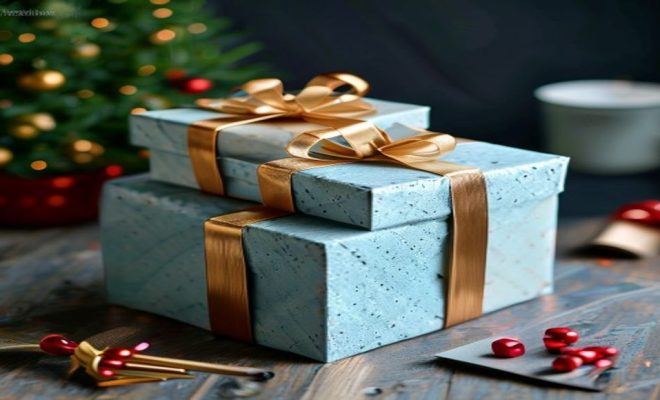
Adding ribbons and bows can elevate your gift wrapping significantly. Ribbons can be tied around the gift’s midsection, adding an elegant touch. For a classic look, use satin or grosgrain ribbons. If you want to be more playful, opt for colorful curling ribbon.
To create a beautiful bow, cut a length of ribbon and make several loops, securing them tightly at the center. Fluff the loops to achieve a fuller appearance, and attach it to the top of the gift with tape. A beautifully crafted bow can turn a simple gift into a work of art! (See: Gift wrapping techniques overview.)
Experimenting with different types of bows can be fun too. A simple shoelace bow, a puffy bow with multiple loops, or even a minimalist knot can convey different feelings. You can also incorporate multiple ribbons of varying textures and colors for a layered look!
5. The Art of Gift Tags
Gift tags serve as a finishing touch and provide a personal connection to the gift. You can opt for pre-made tags or create your own using cardstock or decorative paper. To personalize your tags, write a heartfelt message that reflects your relationship with the recipient.
When attaching gift tags, use string or ribbon that complements your wrapping. For an added layer of creativity, consider incorporating themes that relate to the gift itself, like a small ornament for a holiday gift or a small flower for a birthday present.
Customizing the tags further can make them special. Try stamping designs or writing quotes that resonate with the recipient. You could also attach a small memento that relates to your shared experiences, making it even more meaningful.
6. Creative Wrapping Techniques
If you want to impress your friends and family, consider trying some innovative wrapping techniques. For instance, the Japanese art of Furoshiki involves using fabric to wrap gifts beautifully and sustainably. This method allows the recipient to reuse the fabric, making it an eco-friendly option.
Another creative idea is to use newspaper, maps, or sheet music for a unique touch. These unconventional materials give a retro vibe and can be particularly appealing for gifts with a vintage flair. Pairing these materials with colorful ribbons can create a visually striking contrast.
Consider gift wrapping with plants or natural elements as well, like using leaves or flowers for decoration. These can add a fresh touch and connect the gift to nature, especially if you know the recipient appreciates botanical aesthetics.
7. Final Touches and Presentation
Once you’ve wrapped your gift, take a moment to inspect it. Look for any visible tape or rough edges that may need smoothing. A well-wrapped gift should look seamless and polished.
Presentation doesn’t stop at wrapping, though. Consider how you’ll present the gift. Placing it in a decorative bag or box can add an extra layer of excitement. Also, think about the setting—your gift should fit seamlessly into the occasion, whether it’s a birthday party or a holiday gathering.
Creating a unique presentation can take your gift to the next level. Try incorporating a small floral arrangement or decorative elements like pinecones for seasonal gifts. You can even create a themed display where the gift complements other decorations or the event itself.
8. Exploring Different Styles of Gift Wrapping
Gift wrapping styles can vary widely based on culture, occasion, and personal preference. Understanding these different styles can inspire you as you plan your next wrapping project.
For example, in many Western cultures, gifts are often wrapped with bright, colorful paper and adorned with bows. In contrast, the Japanese style of wrapping, known as Furoshiki, emphasizes simplicity and functionality. This method involves folding fabric around the gift and tying it in a way that not only secures the package but also creates a beautiful presentation.
Another popular style is the rustic wrapping aesthetic, which embraces natural materials like brown kraft paper, twine, and dried flowers. This earthy approach is perfect for gifts intended for outdoor events or for friends who appreciate a more organic touch.
As a fun twist, themed wrapping can also be a hit. For instance, a gift for a movie lover can be wrapped in a film poster or themed paper that relates to their favorite movie. This approach not only showcases your thoughtfulness but also adds an exciting element to unwrapping. (See: Food safety and gift giving.)
Don’t overlook the impact of your choice of colors either. Color psychology plays a role in gift-giving; for example, red symbolizes love and passion, while blue signifies peace and trust. Choose colors that align with the emotions you wish to convey.
9. Gift Wrapping for Various Occasions
Different occasions call for different wrapping styles and techniques. Let’s take a look at how to tailor your gift wrapping based on the event:
- Birthdays: Bright colors, fun patterns, and playful embellishments work best. Think balloons, confetti, or character-themed paper.
- Weddings: Elegant wrapping is key; opt for soft pastels or metallics and add sophisticated touches, such as lace or satin ribbons.
- Holidays: Seasonal wrapping can add to the festive spirit. For Christmas, traditional red and green papers with glittery accents are popular, while for Halloween, opt for spooky designs.
- Corporate Gifts: Keep it professional with understated colors and designs. Use a sleek, minimalistic approach, perhaps with a metallic ribbon, to convey sophistication.
- Special Anniversaries: For milestones like anniversaries, consider incorporating personal elements—photos, favorite quotes, or memories that encapsulate the relationship.
10. Statistics About Gift Wrapping
Did you know that the gift wrapping industry generates billions of dollars annually? According to industry reports, the global gift wrapping market was valued at approximately $17 billion in 2020 and is expected to grow significantly in the coming years. This growth is driven by the increasing popularity of gifting during holidays, birthdays, and special occasions.
In fact, a survey conducted by the National Retail Federation found that 60% of consumers consider the presentation of a gift to be as important as the gift itself. This underscores how vital effective gift wrapping techniques can be in enhancing the gifting experience.
Interestingly, research also indicates that consumers are willing to spend an average of 20% more on gifts that are beautifully wrapped. This statistic highlights how impactful presentation can be in influencing purchasing behaviors.
11. Expert Perspectives on Gift Wrapping
To gain more insight into the art of gift wrapping, we consulted with several experts in the field. Professional gift wrappers emphasize the importance of personalization in gift wrapping. “Every gift tells a story, and the way you wrap it can reflect the relationship you have with the recipient,” one expert noted. “Using unique materials or styles can make the process even more meaningful.”
Another professional mentioned that taking the time to wrap a gift thoughtfully can also enhance the anticipation of receiving it. “The unwrapping experience can be just as exciting as the gift itself,” they explained. “Adding layers, textures, and surprises can create an unforgettable moment.”
Some experts advocate for the idea that gift wrapping is a form of self-expression. “The choices you make reflect your creativity and thoughtfulness,” a gift wrapping specialist shared. “It’s not just about the gift itself; it’s about the experience you create around giving it.”
12. Frequently Asked Questions
What materials are best for wrapping gifts?
Quality wrapping paper is essential, but you can also experiment with fabric, newspaper, or even decorative bags. Choose materials that suit the occasion and the recipient’s personality.
How can I make my gift wrapping eco-friendly?
Consider using recycled wrapping paper, fabric, or even old maps and newspapers. You can also use biodegradable tape and natural twine as alternatives to plastic ribbons.
What are some tips for wrapping irregularly shaped gifts?
For odd-shaped items, use tissue paper or fabric that can easily conform to the shape. Alternatively, you can place the gift in a decorative box, which can make the wrapping process simpler and more aesthetically pleasing.
How do I create a professional-looking bow?
To create a professional bow, cut a length of ribbon, make several loops, and secure them in the center. The key is to ensure the loops are evenly spaced and to fluff them afterward for a full appearance. You might also consider watching online tutorials to master different bow styles. (See: Tips for creative gift wrapping.)
Is it necessary to include a gift tag?
While it’s not mandatory, including a gift tag adds a personal touch and helps recipients know who the gift is from. It also allows you to express a specific message or sentiment, enhancing the overall experience of receiving the gift.
Can I repurpose old wrapping materials?
Absolutely! Old wrapping paper, fabric, and even gift bags can be reused creatively. You might also combine them with new materials for a fresh look while promoting sustainability.
What are some common mistakes to avoid when wrapping gifts?
Some common mistakes include using too little paper, not aligning the design patterns correctly, or applying too much tape. Make sure to take your time and double-check your measurements to avoid these pitfalls.
13. Tips for Enhancing Your Gift Wrapping Skills
Improving your gift wrapping skills can transform your gifting experience. Here are a few tips to consider:
- Practice Makes Perfect: The more you wrap, the more skilled you become. Try wrapping different shapes and sizes to build your confidence.
- Watch Tutorials: Online videos can provide visual guidance for various wrapping techniques and styles that you might not have tried before.
- Use High-Quality Tools: Invest in good-quality scissors and tape. It makes a world of difference when everything cuts and sticks well.
- Plan Ahead: If you have multiple gifts to wrap, consider dedicating a day to wrapping. This way, you can get into a rhythm and enjoy the process without feeling rushed.
- Incorporate Personal Touches: Let your creativity shine! Use decorative elements that express your personality or the recipient’s interests.
14. Exploring Cultural Gift Wrapping Traditions
Different cultures have unique traditions when it comes to gift giving and wrapping. Understanding these can expand your gift wrapping horizons and inspire your creativity:
In some Asian cultures, such as in China, red wrapping is preferred as it symbolizes good fortune and happiness. Gifts are often wrapped in a way that avoids exposing the contents before they are unwrapped, reflecting respect and anticipation.
In Mexico, gifts might be wrapped in vibrant colors and are often adorned with flowers or colorful tissue paper. The emphasis here is on the celebration and joy that the gift represents.
Exploring these traditions can provide you with fresh ideas and a deeper appreciation for the art of gift wrapping. You might even blend different techniques to create a unique style that reflects multiple influences!
15. Conclusion
Mastering gift wrapping techniques takes practice, but the effort pays off in the joy and surprise it brings to the recipient. With the right materials, thoughtful measurement, and creative presentation, you can transform a simple gift into something memorable. So as you gear up for your next gifting occasion, remember that how you wrap can be just as meaningful as what’s inside.
“`
Trending Now
Frequently Asked Questions
What materials do I need to wrap a gift?
To wrap a gift, you'll need quality wrapping paper, tape, scissors, and optional embellishments like ribbons, tags, or decorative tape. Choosing the right materials based on the occasion and the recipient's preferences is key to creating a beautifully wrapped present.
How do I measure wrapping paper for a gift?
To measure wrapping paper, place your gift in the center and pull the edges up to estimate how much paper you need. A good rule of thumb is to have the paper extend a few inches beyond the edges of the gift to ensure adequate coverage.
What are some eco-friendly gift wrapping options?
Eco-friendly gift wrapping options include recycled wrapping paper and fabric wraps, which can be reused. These alternatives not only reduce waste but also add a unique touch to your gifts, making them more personal and thoughtful.
What techniques can enhance my gift wrapping?
Enhancing your gift wrapping involves using quality materials, measuring accurately, and incorporating decorative elements like ribbons or tags. Different techniques like folding neatly and adding embellishments can elevate the overall presentation and make your gift stand out.
How can I wrap oddly shaped gifts?
For oddly shaped gifts, use thicker wrapping paper for better structure and manipulate the paper carefully to cover all angles. Measuring accurately and cutting the paper in a way that allows for creative folds will help create a neat and appealing wrap.
Agree or disagree? Drop a comment and tell us what you think.