How to fix 5GHz WiFi not showing up
“`html
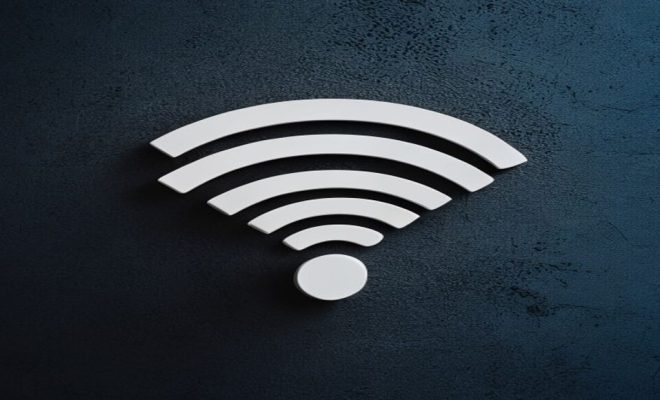
If you’ve ever experienced the frustration of your 5GHz WiFi not showing up, you’re not alone. Many users face this issue, often leading to confusion and a sense of helplessness. The 5GHz band offers faster speeds and less interference than its 2.4GHz counterpart, making it a popular choice for high-bandwidth activities like gaming and streaming. However, connectivity issues can arise for a variety of reasons. In this article, we’ll explore nine common causes for the absence of 5GHz WiFi and provide practical solutions to get you back online.
1. Router Settings Misconfiguration
The first step in troubleshooting your 5GHz WiFi not showing up is to check your router settings. Sometimes, the 5GHz band might be disabled from the router’s configuration page. To access these settings, type your router’s IP address into a web browser. This could be something like 192.168.1.1 or 192.168.0.1. Once logged in, navigate to the wireless settings section.
Ensure that the 5GHz band is enabled. If not, simply toggle it on. It’s also wise to check if the SSID (network name) for the 5GHz band is set to broadcast. If the SSID is hidden, your devices won’t be able to detect the network, leading to the frustrating situation of not seeing the 5GHz option when attempting to connect.
2. Device Compatibility Issues
Not all devices support 5GHz WiFi. Older laptops, smartphones, and tablets may only connect to 2.4GHz networks. To determine if your device is compatible, consult the user manual or the manufacturer’s website. If you find that your device isn’t 5GHz-capable, you might consider upgrading your hardware to enjoy the benefits of faster connectivity.
Moreover, it’s essential to verify the WiFi adapter settings on your device. In Windows, for instance, you can check the adapter properties to see if it supports the 5GHz frequency. On some devices, such as smartphones, you may need to update the operating system to ensure full compatibility with the latest wireless standards.
3. Distance and Interference
Distance from the router can also be a significant factor. The 5GHz band, while faster, has a shorter range and cannot penetrate obstacles like walls and floors as effectively as 2.4GHz. If you’re experiencing issues, try moving closer to your router to see if the 5GHz network becomes visible. If it does, consider repositioning your router to a more central location in your home.
Additionally, interference from other electronic devices can disrupt your 5GHz signal. Common culprits include microwaves, cordless phones, and Bluetooth devices. If you suspect interference, try changing the channel on your router’s settings. Channels 36, 40, 44, and 48 are often recommended for optimal performance in the 5GHz range.
4. Firmware Updates
Your router’s firmware plays a crucial role in its performance. An outdated firmware version can cause connectivity issues, including the disappearance of the 5GHz band. To check for updates, log into your router’s settings and look for a firmware section. Many modern routers offer automatic updates, but it’s a good idea to manually check as well.
Updating the firmware can resolve bugs that affect your network’s performance and might restore the missing 5GHz connectivity. Be sure to follow the manufacturer’s instructions carefully during the update process to avoid any potential complications.
5. Network Congestion
If your network has multiple devices connected, you might encounter congestion issues. Too many devices trying to use the 5GHz band can lead to dropped connections and even the band not appearing at all. Consider disconnecting some devices and see if this resolves the issue. If your household is full of devices, implementing Quality of Service (QoS) settings can help prioritize bandwidth usage for devices that need it most. (See: Understanding Wi-Fi frequencies.)
Additionally, you may want to experiment with the 2.4GHz band to see if it offers more stable connectivity for your less demanding tasks. While it may not be as fast, it’s often more reliable at longer distances.
6. Router Placement and Environment
Placement of your router significantly impacts your WiFi signal. Ensure that your router is elevated and free from obstructions. Avoid placing it near metal objects, thick walls, or large appliances that could hinder the signal. Ideally, your router should be located in an open space away from interference sources.
Using WiFi extenders or mesh networks can also enhance coverage if you have a larger home or experience persistent dead zones. These devices can help extend the range of the 5GHz band, making it more accessible throughout your living area.
7. ISP Restrictions and Configuration
Sometimes, issues with your Internet Service Provider (ISP) can lead to problems with your 5GHz WiFi not showing up. Ensure that your ISP doesn’t impose limitations on your service that could affect WiFi performance. Contact your ISP to verify that there are no outages or issues in your area that could be causing connectivity problems.
In some cases, the ISP’s equipment may not support 5GHz frequencies well. If you’re renting your modem/router from your ISP, consider using your own device that clearly supports both 2.4GHz and 5GHz bands. This step can often lead to better overall performance and reliability.
8. Network Settings on Devices
It’s not just the router settings that matter; your devices also have network settings that might need adjustment. For example, on Windows, you can navigate to the Network and Sharing Center and select “Change adapter settings” to ensure your wireless adapter is set to automatically connect to the preferred band. Resetting the network settings on your device can also resolve many issues related to WiFi visibility.
If you’re using devices with dual-band capabilities, ensure they are configured correctly to detect both bands. In some cases, a simple restart of the device can clear up network settings that may be causing confusion, allowing your device to reconnect to the 5GHz WiFi.
9. Resetting Your Router
If all else fails, a factory reset of your router might be necessary. This step clears all custom settings and can resolve issues related to misconfigurations. To reset, locate the reset button on your router and hold it for about 10 seconds. After the reset, you’ll need to reconfigure your network settings, so be ready to set up your WiFi name and password again.
Make sure to back up your settings if possible to save time after the reset. Sometimes, a fresh start can solve persistent issues that previous troubleshooting steps didn’t resolve.
10. Common Myths About 5GHz WiFi
With the popularity of 5GHz WiFi, there are several myths that can lead to misunderstandings about its performance and compatibility. Let’s debunk a few of these:
- Myth 1: 5GHz WiFi is always faster than 2.4GHz. While 5GHz provides higher speeds, the actual speed you can achieve depends on distance and obstacles. In some cases, especially at longer ranges, 2.4GHz may perform better.
- Myth 2: 5GHz WiFi is more prone to interference. This isn’t necessarily true. While 5GHz is susceptible to certain forms of interference, it generally experiences less congestion than the heavily used 2.4GHz band.
- Myth 3: All devices support 5GHz. As mentioned earlier, many older devices do not support 5GHz frequency, which can lead to confusion if you expect them to connect without verifying compatibility.
11. Advanced Troubleshooting Techniques
If you’ve gone through all the basic troubleshooting steps and your 5GHz WiFi is still not showing up, it might be time to dig a little deeper. Here are some advanced techniques you can try: (See: CDC on Wi-Fi and health.)
Check Channel Width Settings
Some routers have settings that allow you to adjust the channel width for the 5GHz band. Setting it to 40MHz can sometimes improve visibility and connectivity. However, if you live in an area with many networks, you may want to lower it to 20MHz to reduce interference.
Examine Network Profiles
If your device has previously connected to a 5GHz network but is now having trouble, it could help to remove the network profile and reconnect. This can clear out any outdated settings that might be preventing reconnection.
Use Network Analyzers
Tools like WiFi Analyzer (for Android) or inSSIDer (for PC) can help you visualize the wireless environment around you. They can display which networks are strongest, what channels they’re using, and help you choose the best settings for your own router.
12. FAQs About 5GHz WiFi
Why can’t I see my 5GHz WiFi network?
There could be several reasons. Your router might not have the 5GHz band enabled, your device may not support it, or you could be too far away from the router. Interference from other electronic devices could also be the cause.
Can I use both 2.4GHz and 5GHz at the same time?
Yes! Many modern routers support dual-band functionality, allowing you to use both frequencies simultaneously. This is beneficial as it lets devices connect to the band that suits them best.
Is 5GHz WiFi better for gaming?
In general, yes. 5GHz WiFi typically offers lower latency and faster speeds, which are critical for online gaming. However, the increased range of 2.4GHz may be necessary in larger homes or environments with many obstacles.
What should I do if my router doesn’t support 5GHz?
If your router doesn’t support 5GHz, consider upgrading to a newer model that does. Many affordable routers now come with dual-band capabilities. Research options that suit your internet usage and home size for the best experience.
13. Strategies to Enhance 5GHz Connectivity
Now that we’ve covered common issues, let’s look at some strategies you can implement to enhance the performance and reliability of your 5GHz WiFi connection.
Utilize Band Steering
Many modern routers come equipped with a feature called band steering, which automatically directs devices to the best frequency band based on their capabilities and current network conditions. Enabling this feature can streamline your connections and optimize performance without manual intervention.
Invest in Quality Hardware
The quality of your router and the hardware you use can significantly impact your WiFi experience. Investing in a high-quality dual-band router with advanced features such as beamforming technology can enhance coverage and performance. Beamforming focuses the WiFi signal directly towards connected devices rather than broadcasting uniformly, which can help improve connections at greater distances.
Regularly Monitor Network Performance
Utilizing network monitoring tools can provide insights into your WiFi performance over time. You can track speeds, latency, and which devices are consuming the most bandwidth. This data can help you pinpoint issues or identify devices that may need to be upgraded or limited in their bandwidth usage.
14. How to Choose the Right Router
Choosing the right router can be a crucial factor in ensuring a stable 5GHz connection.
Look for Dual-Band Capabilities
When shopping for a new router, ensure it has dual-band capabilities. This means that it can broadcast both 2.4GHz and 5GHz frequencies, allowing you to choose the best one based on your needs.
Understand Your Space Requirements
The size of your home and the number of devices you’ll connect to WiFi can influence your choice. If you have a larger area to cover, consider routers that support mesh networking or come with multiple antennas for wider coverage.
Check for Future-Proofing Features
Ensure that the router supports the latest WiFi standards, such as WiFi 6 (802.11ax), which offers improved performance and can handle more devices simultaneously. Future-proofing can save you the hassle of upgrading again soon.
15. Conclusion
In conclusion, if your 5GHz WiFi isn’t showing up, there are numerous factors at play. From router settings to device compatibility and environmental influences, identifying the root cause is key to restoring your connection. By following these steps and recommendations, you can effectively troubleshoot and fix the issue, ensuring you enjoy all the benefits that the 5GHz band has to offer. Remember, investing in the right hardware and staying informed about your network’s performance can make a significant difference in your overall internet experience.
“`
Trending Now
Frequently Asked Questions
Why is my 5GHz WiFi not showing up?
There could be several reasons for your 5GHz WiFi not appearing, including router settings misconfiguration, device compatibility issues, or the 5GHz band being disabled. It's important to check your router settings and ensure your device supports the 5GHz frequency.
How do I enable 5GHz WiFi on my router?
To enable 5GHz WiFi, access your router's configuration page by typing its IP address into a web browser. Once logged in, navigate to the wireless settings and ensure the 5GHz band is enabled and broadcasting its SSID.
What devices can connect to 5GHz WiFi?
Most modern devices, including recent laptops, smartphones, and tablets, can connect to 5GHz WiFi. However, older devices may only support the 2.4GHz band. Always check your device's specifications to confirm compatibility.
How can I check if my device supports 5GHz WiFi?
You can check if your device supports 5GHz WiFi by looking at the user manual or the manufacturer's website. On Windows devices, check the WiFi adapter properties in the settings to confirm if it supports the 5GHz frequency.
What should I do if my 5GHz network is hidden?
If your 5GHz network is hidden, you need to access your router's settings and ensure the SSID for the 5GHz band is set to broadcast. This will allow your devices to detect and connect to the network.
What’s your take on this? Share your thoughts in the comments below — we read every one.