UK Solar Energy: Hero of the 2026 Heatwave
“`html
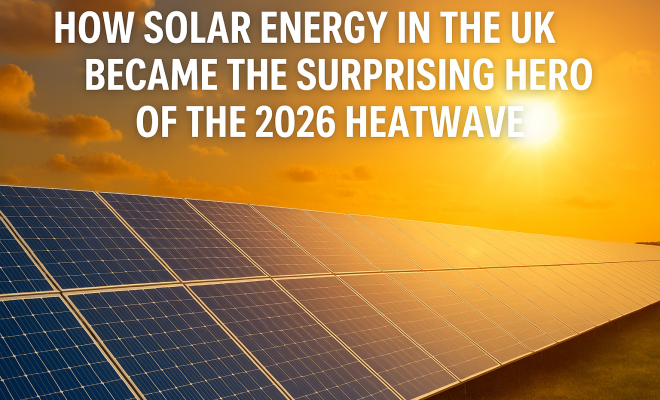
As the UK faced an unprecedented heatwave on June 22, 2026, a remarkable shift in the nation’s energy landscape unfolded, one that few could have predicted. Amidst rising temperatures and soaring energy demands, solar energy in the UK emerged as a pivotal player in the national power mix, challenging traditional assumptions about renewable energy’s performance during extreme weather. New data from Ember illuminated this trend, revealing that solar energy not only survived but thrived during the hottest days of the year, providing a vital buffer against potential grid failures.
The Context of the 2026 Heatwave
Before diving into the impressive growth of solar energy, it’s essential to understand the backdrop of the 2026 summer heatwave. The UK experienced one of its hottest summers on record, with temperatures soaring well above average, pushing energy demands to unprecedented levels. As air conditioning units whirred tirelessly and fans spun in every household, the national grid faced a daunting challenge: how to supply enough energy to meet this explosive demand.
The heatwave raised concerns about energy shortages and potential blackouts, a scenario that many residents dreaded. Yet, amidst the chaos, solar energy rose to the occasion, proving that it could be a reliable source of power even during extreme conditions.
Solar Energy’s Historic Milestone
According to Ember’s data, solar energy in the UK reached a historic milestone during this heatwave, overtaking traditional fossil fuels in total output. This unexpected surge not only showcased the resiliency of solar technology but also highlighted its growing importance within the nation’s energy mix.
Interestingly, many have long believed that extreme temperatures would adversely affect solar panels’ efficiency, leading to a decline in energy production. However, the data from the heatwave demonstrated that solar generation had reached levels never seen before, effectively debunking this misconception. Solar energy wasn’t just keeping pace—it was leading the charge during one of the hottest periods in UK history.
The Data Behind the Surge
Ember’s graphic of the week captured this pivotal moment, illustrating the sharp and unexpected increase in solar output. On days when traditional energy sources struggled to meet the rising demand, solar energy stepped in to fill the gap. The data revealed that solar energy accounted for a significant percentage of the total energy generated, surpassing coal and natural gas for the first time on a national scale.
On June 22 alone, solar power contributed to over 40% of the UK’s energy supply at peak demand times. This shift not only showcased solar’s increasing efficiency but also highlighted how investments in renewable energy infrastructure were paying off. As solar farms and residential installations proliferated across the country, their collective output became a lifeline during this critical period.
Countering the Narrative on Renewable Energy
The success of solar energy during the 2026 heatwave challenged the prevailing narrative surrounding renewable energy. Many critics have long argued that renewable sources like solar are unreliable, especially during extreme weather conditions. The data from the heatwave, however, painted a different picture, showing that solar energy could not only withstand challenges but also excel under demanding circumstances.
This surprising outcome has sparked conversations among energy analysts, environmentalists, and the general public alike. It serves as a powerful reminder that the transition to renewable energy sources can provide solutions, even in the face of climate change-induced challenges. The overwhelming public reaction to Ember’s findings further underscores the demand for more transparency and awareness surrounding the capabilities of renewable energy.
The Emotional Relief of Renewable Success
As the public absorbed the news of solar energy’s performance during the heatwave, a sense of emotional relief spread throughout the nation. In the midst of climate anxiety, the idea that renewables could mitigate potential crises offered a glimmer of hope. Many people felt reassured that there were effective alternatives to fossil fuels, and solar energy emerged as a beacon of sustainability amid a backdrop of scorching temperatures.
Social media became flooded with discussions about renewable energy, as people shared the data and celebrated solar energy’s unexpected role as a hero during the heatwave. The graphic from Ember went viral, showcasing a visual embodiment of the power of innovation in the face of adversity. It resonated with both environmental advocates and energy skeptics, highlighting the need for a collective commitment to a sustainable future.
The Role of Policy and Investment
The success of solar energy in the UK during the 2026 heatwave can be attributed to a combination of policy support and significant investment in renewable technologies. Over the past decade, the UK government has implemented policies to encourage the adoption of renewable energy sources, including subsidies for solar installations and ambitious targets for reducing carbon emissions. (See: Nature article on solar energy performance.)
This supportive framework has fostered innovation and competition within the market, allowing solar technology to flourish. The decrease in costs associated with solar panel production has enabled both residential and commercial adopters to invest in solar solutions, further boosting the energy mix’s reliance on renewables.
However, ongoing support from policymakers is essential to ensure that solar energy can maintain its momentum. As demand for electricity evolves with climate change, it’s crucial that the UK government continues to prioritize investments in renewable energy infrastructure and technology.
Comparing Performance: Solar vs. Traditional Energy Sources
The contrasting performances between solar energy and traditional fossil fuels during the heatwave offer an insightful perspective on the future of energy. While solar output surged, traditional energy sources struggled to keep pace, revealing the vulnerabilities of relying heavily on fossil fuels in times of increased demand.
As temperatures soared, natural gas and coal power plants faced operational challenges due to increased demand and aging infrastructure. This reliance on fossil fuels not only raises questions about their long-term viability but also underscores the urgent need for a transition to more sustainable energy sources.
In contrast, solar energy’s ability to capitalize on peak demand scenarios highlights its strengths. Unlike fossil fuels, solar energy does not deplete resources or contribute to harmful emissions, making it a cleaner and more sustainable alternative.
The Future of Solar Energy in the UK
The success of solar energy during the 2026 heatwave marks a turning point for the UK’s energy landscape. As the country continues to grapple with the impacts of climate change, the importance of diversifying energy sources cannot be overstated. Solar energy in the UK is not just a fleeting trend; it represents a vital part of a sustainable future.
In the years to come, it’s likely that advancements in solar technology will further enhance efficiency and reduce costs. Innovations such as energy storage systems and smart grids will enable solar energy to play an even larger role in ensuring energy security, particularly during times of heightened demand.
As the nation embraces the lessons learned from the 2026 heatwave, we may witness a renewed commitment to expanding solar infrastructure and investing in research and development. This transition could solidify the UK’s position as a leader in renewable energy, inspiring other nations to follow suit.
Conclusion: A Shift in Perspective
The 2026 summer heatwave served as a powerful reminder that solar energy is not only a viable alternative but also a critical component of a resilient energy future. As we move forward, it’s essential to recognize the unexpected role that solar energy in the UK played during this crisis. The data released by Ember not only highlighted the success of renewable energy but also provided a glimmer of hope for a sustainable future.
As individuals become increasingly aware of the potential of solar energy, it’s worth contemplating how each of us can contribute to this exciting transition. From supporting renewable energy policies to considering solar installations for our homes, every small action can help pave the way for a greener, more resilient energy landscape.
Understanding Solar Energy: What You Need to Know
To fully appreciate the significance of solar energy in the UK, it’s helpful to understand some basics about how solar power works and its benefits. Solar energy is harnessed through photovoltaic (PV) cells that convert sunlight into electricity. This technology has become more efficient and affordable over the years, making it accessible to a broader audience.
One of the most significant benefits of solar energy is its sustainability. Unlike fossil fuels, which are finite and contribute to environmental pollution, solar power offers a clean alternative that has minimal negative impacts on the environment. In addition, solar energy can be generated locally, reducing transmission losses and increasing energy security.
Current Statistics on Solar Energy in the UK
As of 2026, solar energy accounts for about 20% of the UK’s renewable energy capacity. According to the latest statistics, over 1 million solar installations are now operating across the country. These installations include everything from large solar farms to individual home systems, reflecting the diverse ways that solar energy can be utilized. (See: IEEE insights on solar energy advancements.)
Furthermore, the UK solar market has seen significant growth in capacity, increasing from approximately 1.5 GW in 2010 to over 20 GW in 2026. This expansion is expected to continue as technology advances, and more households and businesses recognize the benefits of solar energy.
Expert Perspectives on the Future of Solar Energy
Experts across various fields have weighed in on the future of solar energy in the UK, emphasizing its potential role in combating climate change and enhancing energy security. Dr. Jane Thompson, an environmental scientist, states, “The performance of solar energy during the heatwave showcases its resilience. We need to invest more in this technology to ensure we can rely on it as a primary energy source.”
Additionally, energy analyst Mark Roberts notes, “The transition to solar energy will not only help us reduce greenhouse gas emissions but also create jobs in the renewable energy sector. This is crucial for our economy, especially in light of the challenges we face from climate change.”
Common Misconceptions About Solar Energy
Despite its successes, misconceptions about solar energy persist. Here are some common myths debunked:
- Solar panels don’t work in cloudy weather: While solar panels are most efficient in direct sunlight, they can still generate electricity in overcast conditions, although at a reduced capacity.
- Solar energy is too expensive: The cost of solar installations has decreased significantly over the past decade, making it more affordable for many households and businesses.
- Solar energy isn’t reliable: With advancements in energy storage technology, solar energy can be stored for use during non-sunny hours, enhancing its reliability as an energy source.
Frequently Asked Questions (FAQ) about Solar Energy in the UK
What are the environmental benefits of solar energy?
Solar energy reduces reliance on fossil fuels, decreasing greenhouse gas emissions and air pollution. It contributes to a cleaner environment and helps combat climate change.
How much can I save by installing solar panels?
The savings vary depending on your energy consumption and the size of your solar installation. However, many households report savings of hundreds of pounds annually on their energy bills.
Is government support available for solar installations?
Yes, there are various government schemes and incentives aimed at promoting renewable energy adoption, including grants and feed-in tariffs that can help offset installation costs.
What is the lifespan of solar panels?
Most solar panels have a lifespan of 25 to 30 years, with many manufacturers offering warranties for that period. Technological advancements are also contributing to longer-lasting panels.
Can solar panels increase the value of my property?
Yes, studies have shown that homes with solar panel installations can command higher market prices, making them more attractive to potential buyers.
What should I consider before installing solar panels?
Before making a solar investment, consider factors like your roof orientation, local climate, and energy usage patterns. Getting a professional assessment can provide tailored recommendations for your specific situation.
How does battery storage work with solar energy?
Battery storage systems allow you to store excess energy generated by your solar panels for use during non-sunny hours. This provides a way to maximize the efficiency of your solar energy system, ensuring you have power available even at night or during cloudy days.
Are there any maintenance requirements for solar panels?
Solar panels generally require minimal maintenance. Regular cleaning to remove debris and dirt can help maintain efficiency, and periodic checks by a professional can ensure the system is functioning optimally.
The Economic Impact of Solar Energy in the UK
The growth of solar energy in the UK has had significant economic implications. The sector has not only created thousands of jobs but has also stimulated local economies through the development of solar farms and installation services. According to a report by the Renewable Energy Association, the solar industry has the potential to create over 30,000 jobs by 2030, contributing to the government’s green recovery post-pandemic.
Moreover, as installation costs continue to decrease, the financial accessibility of solar technology is enhancing. Many businesses are investing in solar as a way to lower operational costs and improve sustainability credentials, which can be a competitive advantage in the marketplace.
Technological Advancements Shaping Solar Energy
Innovation continues to drive the solar industry forward. Recent advancements in solar technology, such as bifacial panels that capture sunlight on both sides, are increasing the efficiency of solar installations. Additionally, the integration of artificial intelligence in energy management systems is helping optimize the use of solar energy, allowing for smarter consumption and storage solutions.
Furthermore, developments in perovskite solar cells, which promise higher efficiency rates at lower costs, are on the horizon. As these technologies mature, they could play a pivotal role in scaling up solar energy adoption across the UK.
Looking Beyond Solar: The Role of a Diverse Energy Mix
While solar energy is a crucial part of the UK’s energy future, it’s essential to maintain a diverse energy mix that includes wind, hydro, and other renewable sources. This diversity enhances grid stability and ensures that energy demands can be met even when solar generation is low, such as during winter months. By integrating multiple renewable sources, the UK can bolster its energy security and resilience against climate change challenges.
Conclusion: The Promise of Solar Energy in the UK
The remarkable performance of solar energy in the UK during the 2026 heatwave highlighted its vital role in the country’s energy future. As we continue to face the challenges brought about by climate change, the potential for solar energy to provide clean, reliable power is more important than ever.
With ongoing advancements in technology, supportive policies, and a growing public commitment to sustainability, solar energy is poised to become an even more significant contributor to the UK’s energy landscape. Embracing this shift not only benefits the environment but also empowers individuals and communities to take charge of their energy needs. The future of solar energy in the UK is bright, and it’s a future worth investing in.
“`
Trending Now
Frequently Asked Questions
How did solar energy perform during the 2026 heatwave in the UK?
During the 2026 heatwave, solar energy in the UK not only survived but thrived, reaching historic output levels and overtaking traditional fossil fuels. This performance challenged previous assumptions about solar efficiency in extreme temperatures.
What impact did the 2026 heatwave have on energy demands in the UK?
The 2026 heatwave significantly increased energy demands in the UK, with rising temperatures causing air conditioning units and fans to work overtime, leading to concerns about potential energy shortages and blackouts.
Did solar energy help prevent blackouts during the 2026 heatwave?
Yes, solar energy played a crucial role in preventing blackouts during the 2026 heatwave by providing a reliable power source that helped meet the surging energy demands amidst extreme temperatures.
What does Ember's data reveal about solar energy in the UK?
Ember's data revealed that during the 2026 heatwave, solar energy reached unprecedented output levels, showcasing its resilience and importance in the UK's energy mix, even outperforming fossil fuels.
Can extreme temperatures affect the efficiency of solar panels?
Common belief suggests that extreme temperatures negatively impact solar panel efficiency; however, data from the 2026 heatwave indicated that solar generation actually increased, effectively debunking this myth.
Agree or disagree? Drop a comment and tell us what you think.