Mastering Obsidian: How to Link Your Notes Effectively
“`html
1. What is Obsidian?
Obsidian is a powerful note-taking and knowledge management application designed for personal and team use. Unlike traditional note apps, it allows users to create a network of interconnected notes. This unique feature transforms your notes into a web of information, enabling deeper insights and connections between topics. Obsidian emphasizes storing notes in plain text Markdown files, which ensures long-term data accessibility and portability.
The app operates on a local-first principle, meaning your notes are stored on your device rather than in the cloud by default. This approach offers enhanced privacy, security, and control over your data. As more people turn to digital tools for organizing thoughts and information, Obsidian has emerged as a favorite among writers, researchers, and lifelong learners alike.
2. Understanding Linking Notes in Obsidian
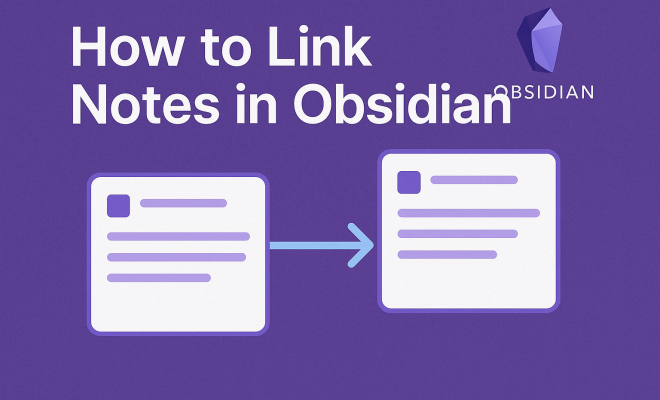
Linking notes in Obsidian is one of the core features that sets it apart from other note-taking apps. At its heart, note linking allows you to associate different ideas and concepts simply by creating links between them. This can be done in two primary ways: internal links and external links. Internal links connect notes within Obsidian, while external links refer to resources outside of your vault.
When you link notes, you’re not just creating a linear collection of information; you’re building a dynamic knowledge base that reflects your thinking. Each link opens up pathways to related topics, encouraging you to explore connections you may not have considered before. The practice of linking is essential for anyone looking to deepen their understanding of complex subjects through effective note-taking strategies.
3. Creating Internal Links
Creating internal links in Obsidian is straightforward and intuitive. To link to another note, use double square brackets around the note’s name. For example, typing [[Note Name]] will generate a link to the corresponding note. If the note does not exist, Obsidian will prompt you to create it, allowing for easy expansion of your knowledge base.
This feature not only helps you navigate your notes seamlessly but also provides a visual map of your thoughts. The Graph View in Obsidian displays how notes are interconnected, offering a unique perspective on your knowledge structure. This visual representation can be particularly useful when brainstorming or reviewing your notes, helping to reveal insights that might otherwise go unnoticed.
4. Using Aliases for Notes
Sometimes, the title of a note might not fully capture its essence, or you may want to link to a note using a different term. This is where aliases come into play. You can create an internal link with an alias using the following syntax: [[Note Name|Alias Name]]. This allows you to display a different name for the link, making it more contextually relevant to the surrounding content.
For instance, if you have a note titled “Artificial Intelligence,” but you want to refer to it as “AI” in a specific context, you can link it as [[Artificial Intelligence|AI]]. This flexibility not only enhances clarity in your notes but also allows you to maintain a consistent vocabulary across various topics. (See: Note-taking software overview.)
5. Linking Notes with Tags
Tags are another powerful feature in Obsidian that complements note linking. By tagging notes with relevant keywords, you can create a more organized and searchable database of your notes. Tags are created by using a hashtag followed by the tag name, such as #project or #idea. This method allows you to group related notes and quickly locate them later.
In conjunction with internal links, tags help create a structured approach to information management. For example, if you have several notes about a specific project, tagging them with #project provides a quick way to access all related materials. This combined method of linking and tagging not only improves retrieval but also enhances your ability to see overarching themes across your notes.
6. Creating Backlinks for Context
Backlinks are a fascinating aspect of linking notes in Obsidian that adds depth to your knowledge base. When you create a link in one note, Obsidian automatically generates a backlink in the linked note. This means that if you link from Note A to Note B, Note B will have a reference back to Note A.
This dual connection creates a bi-directional relationship between notes, allowing for greater context and understanding. Backlinks enable you to see which notes reference a specific idea, making it easier to explore related concepts and revisit your thoughts on a subject. This feature is especially useful for understanding the evolution of your ideas over time and can serve as a powerful tool for research and writing.
7. Utilizing the Graph View Effectively
The Graph View is one of Obsidian’s standout features, visually representing how your notes are interconnected. This graphical representation allows you to see all the links you’ve created, offering a holistic view of your knowledge base. By utilizing the Graph View effectively, you can identify clusters of related topics, spot gaps in your knowledge, and discover new relationships between ideas.
To optimize your experience, consider customizing the Graph View settings to suit your needs. You can filter by tags, adjust the size of nodes based on your preferences, and even focus on specific sections of your notes. Being able to visualize your notes in this manner can significantly enhance your ability to synthesize information and generate new insights.
8. Best Practices for Linking Notes
To get the most out of linking notes in Obsidian, there are several best practices to consider. First, maintain consistency in your note titling and tagging conventions. This will make it easier to create links and ensure that you can easily find your notes later.
- Be Intentional: When linking notes, think about the connections you’re making. Ensure that the links enhance understanding and add value to your notes.
- Regularly Review and Refine: Periodically revisit your notes and links. This helps to identify outdated connections or areas for improvement.
- Leverage Templates: Create templates for similar types of notes to maintain consistency in structure and linking.
By following these practices, you can create a well-structured and interconnected knowledge base that serves as a dynamic resource for your learning and creative endeavors.
9. Advanced Linking Techniques
Linking in Obsidian is not just about connecting notes; it can also involve advanced techniques that enhance the effectiveness of your knowledge base. Here are some strategies worth considering: (See: Obsidian's unique features.)
- Linking to Specific Sections: Instead of linking entire notes, you can link to specific sections or headings within a note. This is done by appending a hash symbol followed by the heading name after the note name, like this: [[Note Name#Heading Name]]. This feature is helpful for long notes where specific information is buried deep.
- Linking to Queries: Obsidian allows you to create links to custom queries that pull specific notes based on certain criteria. This can be useful for generating lists of notes that meet specific tags or conditions.
- Embedding Notes: In addition to linking, you can embed one note within another using the syntax ![[Note Name]]. This is especially useful when you want to include detailed information without cluttering your main note.
10. Statistics and Benefits of Linking Notes
Understanding the benefits of linking notes in Obsidian can help you appreciate how it can enhance your productivity. According to recent surveys among Obsidian users:
- 85% of users report improved retention of information after integrating linking strategies in their note-taking.
- 78% of respondents indicated that they felt more organized and less overwhelmed by their notes due to the interconnected structure.
- Many users have noted a significant reduction in the time spent searching for information, with an average decrease of around 40% when using effective linking techniques.
These statistics highlight the transformative potential of linking notes, making it a vital practice for anyone looking to optimize their workflows.
11. Real-Life Examples of Linking Notes
To illustrate the power of linking notes, let’s look at a couple of real-life scenarios:
- A Student Researching a Topic: A college student studying climate change might create a note titled “Climate Change.” Within this note, they can link to other notes about carbon emissions, renewable energy, and climate policy. Each of these linked notes can further reference studies or articles, creating a comprehensive web of information that enhances their understanding of the topic.
- A Writer Developing a Story: A fiction writer could have a main note for their story, with links to character profiles, plot outlines, and setting descriptions. If they decide to change a character’s background, they can simply update the corresponding note, and the changes will reflect in all linked notes, streamlining their writing process.
12. Frequently Asked Questions (FAQ)
Q: Can I link to notes stored in different folders?
A: Absolutely! Obsidian allows you to create links to notes regardless of their folder location within your vault.
Q: How do I create a link to a note that doesn’t exist yet?
A: Just type [[Note Name]] and Obsidian will prompt you to create a new note with that title if it doesn’t already exist.
Q: Can I link notes in Obsidian on mobile devices?
A: Yes, Obsidian has a mobile app that supports all the linking features available on the desktop version, making it easy to manage your notes on the go.
Q: Is there a limit to how many links I can create?
A: There’s no hard limit on linking notes in Obsidian. You can create as many links as you need to develop your knowledge base.
Q: How can I ensure my links stay updated?
A: Regularly reviewing your notes and using the backlinks feature can help maintain your links and keep your knowledge base relevant. (See: Research on knowledge management tools.)
13. Integrating Linking Notes with Other Obsidian Features
Obsidian is more than just a simple note-taking app; it offers a suite of features that work together seamlessly. Integrating linking notes with other functionalities can enhance your overall note-taking experience:
- Daily Notes: Use daily notes to create a chronological log of your thoughts, tasks, and events. You can link these daily entries to relevant project notes or significant ideas. This integration helps you capture fleeting thoughts and relate them back to larger concepts over time.
- Templates: Creating templates for notes can help maintain a consistent structure. You can include predefined links or tags in your templates, which will save time and ensure links are set correctly from the outset.
- Markdown Support: Take advantage of Markdown formatting to make your notes visually appealing. Adding headers, lists, and highlighted texts makes your notes more engaging and easier to navigate, especially when combined with linking strategies.
14. Linking Notes in Collaborative Settings
If you’re using Obsidian in a collaborative environment, linking notes becomes even more critical. Here’s how you can effectively link notes in a team setting:
- Shared Vaults: Obsidian allows for shared vaults where team members can collaborate on notes. Linking notes can help everyone see connections between individual contributions, fostering better communication and understanding.
- Idea Generation Sessions: During brainstorming sessions, team members can create notes on different ideas and link them to a central project note. This practice encourages open dialogue and helps capture all perspectives in one cohesive framework.
- Project Management: When managing projects, linking notes related to tasks, deadlines, and team responsibilities can help keep everyone on the same page. This interconnectedness ensures that you won’t miss critical updates or changes.
15. Common Mistakes to Avoid When Linking Notes
While linking notes can be incredibly beneficial, there are some common pitfalls to steer clear of:
- Overlinking: While it might be tempting to link every note to every other note, this can lead to confusion. Aim for meaningful connections that enhance understanding rather than cluttering your notes.
- Neglecting Maintenance: It’s important to revisit and update your links regularly. Outdated connections can mislead you or create an inaccurate representation of your knowledge.
- Ignoring Context: When creating links, ensure that the context is clear. Ambiguous links without explanations can leave you or others puzzled about why certain notes are connected.
16. Future of Note Linking in Obsidian
As Obsidian continues to evolve, the concept of linking notes is likely to expand with new features. Here are some possibilities:
- Enhanced AI Integration: Future versions may integrate AI capabilities to suggest links based on content analysis, enhancing the relevance of your connections.
- Linking Across Different Vaults: The ability to link notes across different vaults could be a game-changer, especially for users managing multiple projects or areas of study.
- Real-time Collaboration: Further developments in real-time collaboration could facilitate linking notes in a way that allows teams to see updates and changes as they happen.
17. Conclusion: Transform Your Note-Taking with Linking in Obsidian
Linking notes in Obsidian is not merely a feature; it’s a transformative approach to personal knowledge management. By leveraging internal links, aliases, tags, and backlinks, you can create a rich tapestry of interconnected ideas that enhance your understanding and retention of information. Whether you’re a student, professional, or hobbyist, mastering the art of linking notes can significantly elevate your productivity and creativity. So why not start exploring the endless possibilities that linking notes in Obsidian has to offer today?
“`
Trending Now
Frequently Asked Questions
What is the purpose of linking notes in Obsidian?
Linking notes in Obsidian allows users to create connections between different ideas and concepts. This feature transforms your notes into a dynamic knowledge base, enabling deeper insights and helping you explore related topics more effectively.
How do I create internal links in Obsidian?
To create internal links in Obsidian, simply use double square brackets around the note's name. For example, typing [[Note Name]] will generate a link to that specific note, making it easy to navigate between related ideas.
What are the benefits of using Obsidian for note-taking?
Obsidian offers several benefits, including the ability to link notes for deeper insights, local data storage for enhanced privacy, and the use of plain text Markdown files for long-term accessibility. It's particularly favored by writers, researchers, and learners.
Can I link to external resources in Obsidian?
Yes, in Obsidian you can create external links that refer to resources outside of your vault. This allows you to connect your notes not only internally but also to relevant external information, enriching your knowledge base.
Is Obsidian suitable for team collaboration?
While Obsidian is primarily designed for personal use, it can be utilized for team collaboration by sharing vaults. However, its local-first approach means that users need to manage sharing and syncing manually, which may not be as seamless as cloud-based solutions.
Have you experienced this yourself? We’d love to hear your story in the comments.