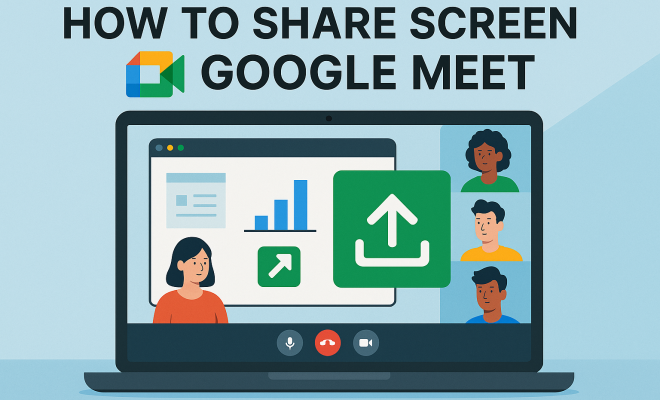
How to share screen on Google Meet
“`html
Video conferencing has become an essential part of our daily routines, especially with the rise of remote work and virtual collaboration. Google Meet has emerged as a popular platform for hosting video calls, allowing users to connect, collaborate, and share information seamlessly. One of the standout features of Google Meet is the ability to share screen on Google Meet, which enables participants to showcase presentations, documents, or even applications in real-time. In this article, we’ll explore the ins and outs of sharing your screen on Google Meet, including practical tips, troubleshooting advice, and the best practices to enhance your virtual meetings.
1. The Basics of Google Meet
Before diving into the specifics of screen sharing, it’s essential to understand what Google Meet is and how it works. Launched in 2017 as a part of G Suite, Google Meet is designed for secure video conferencing for businesses, educational institutions, and individuals. With features like integration with Google Calendar, real-time captions, and a user-friendly interface, Google Meet has gained traction among users looking for a reliable communication tool.
When you join a Google Meet session, you can communicate via video, audio, and chat. What sets Google Meet apart is its ability to handle large numbers of participants (up to 250 for G Suite Enterprise users) and its robust security measures, including encryption and two-factor authentication. Understanding these basics will help you appreciate the platform’s capabilities, particularly when it comes to sharing your screen with others.
2. How to Share Screen on Google Meet: Step-by-Step Guide
Sharing your screen during a Google Meet session is a straightforward process. Here’s a step-by-step guide:
- Join or Start a Meeting: Begin by either creating a new meeting or joining an existing one. Once you are in the meeting, you’ll see the control panel at the bottom of the screen.
- Locate the Present Now Button: In the lower-right corner, you’ll find the “Present now” button. Click on it to reveal your options for screen sharing.
- Select Your Screen Sharing Option: You can choose to share your entire screen, a specific window, or a particular tab (if you’re using Google Chrome). Select the option that best suits your needs.
- Confirm Your Selection: If you’re sharing an entire screen or window, click on the screen or window you want to share and then click the “Share” button.
- Start Sharing: Once you confirm your selection, your screen will be shared with other participants. You can now navigate to the content you want to present.
This process is quick, but make sure you know what you’re sharing. If you have sensitive information on your screen, consider closing those windows before sharing.
3. Presenting Different Types of Content
When you share screen on Google Meet, the type of content you present can vary widely. You might be sharing a PowerPoint presentation, a document, or even a software application. Understanding the nuances of each can enhance your presentation:
- Sharing a Chrome Tab: If your content is web-based (like a video or a website), choosing to share a specific Chrome tab allows for easier navigation and improved performance. It also optimizes the audio quality for videos, which is beneficial when showing multimedia content.
- Sharing a Window: For presentations that involve desktop applications (like Microsoft Word or Excel), sharing the specific window is ideal. It allows you to keep your desktop organized and not distract viewers with irrelevant information.
- Sharing Your Entire Screen: This option is best for scenarios where you might need to switch between multiple applications. However, ensure you only share what is necessary to avoid exposing private information.
Choosing the right format for sharing content is crucial to keeping your audience engaged and ensuring a smooth presentation.
4. Advanced Tips for Effective Screen Sharing
While the basic process of sharing your screen is simple, there are advanced tips to enhance your presentation further:
- Prepare Your Content: Before the meeting, open the files or applications you intend to share. This minimizes delays and helps you transition smoothly between different points in your presentation.
- Use High-Quality Visuals: Ensure your visuals are clear and readable. If you’re sharing slides, use a large font and contrasting colors to improve visibility.
- Engage with Participants: As you present, encourage interaction by asking questions or inviting feedback. This keeps participants engaged and makes the session more interactive.
- Practice Makes Perfect: If you’re new to Google Meet or screen sharing, consider doing a practice session with a colleague. This will help you become familiar with the controls and iron out any potential issues.
By implementing these advanced tips, you can ensure that your screen-sharing experience is not only smooth but also impactful. (See: Overview of Google Meet.)
5. Troubleshooting Common Issues
Even with the best preparations, technical issues can arise when trying to share screen on Google Meet. Here are some common problems and how to troubleshoot them:
- No One Can See Your Screen: Ensure that you’ve correctly selected what to share and that your internet connection is stable. Sometimes, a poor connection can cause glitches in your shared screen.
- Audio Issues: If you’re sharing a video, ensure you’ve checked the option to share audio while sharing a Chrome tab. If participants can’t hear anything, try unmuting your microphone and adjusting the volume settings.
- Lagging or Freezing: This can happen due to low bandwidth. Advise participants to turn off their video feeds temporarily. Also, close unnecessary applications on your computer to free up resources.
Being aware of these common issues can help you address them quickly, ensuring a smoother experience for everyone involved.
6. Google Meet Features to Enhance Your Screen Sharing
Google Meet comes packed with features that can complement your screen sharing experience. Here are a few to consider:
- Live Captions: This feature automatically generates captions for what is being said during the meeting. It’s particularly useful for participants who may have difficulty hearing.
- Chat Functionality: Utilize the chat feature to share links or relevant resources while presenting. This allows participants to access materials without interrupting the flow of your presentation.
- Recording Meetings: If you need to share the content later, consider recording the meeting. This way, those who couldn’t attend can still view your presentation and access the shared materials.
- Background Blur or Effects: If you’re concerned about background distractions, consider using the background blur feature or apply a virtual background. This keeps the focus on you and your content.
Leveraging these features effectively can elevate your screen-sharing and overall meeting experience.
7. Security and Privacy Considerations
When you share screen on Google Meet, it’s important to maintain security and privacy. Here are a few considerations to keep in mind:
- Limit Access: Only share your screen with trusted participants. If you’re unsure about someone’s credibility, it’s better to err on the side of caution.
- Close Sensitive Applications: Before sharing, ensure that all sensitive information and applications are closed to prevent accidental exposure.
- Use Meeting Controls: Familiarize yourself with Google Meet’s controls that allow you to remove participants or adjust permissions. This way, you can keep your meeting secure and on track.
Taking these precautions can help create a safer virtual environment for all participants involved.
8. The Future of Screen Sharing in Virtual Meetings
As remote work continues to shape how we communicate, the future of screen sharing in platforms like Google Meet is evolving. We can anticipate further enhancements in technology, such as:
- Enhanced Collaboration Tools: Future updates may include more robust collaborative features, allowing multiple users to edit and share documents in real-time while on a call.
- AI Integration: Artificial intelligence could play a role in improving the user experience, from automatically highlighting important points to managing screen sharing preferences based on user behavior.
- Virtual Reality (VR): As VR technology matures, we may see immersive meeting experiences where participants can interact in a virtual space, making screen sharing feel even more engaging.
Understanding these emerging trends can keep you prepared for changes and help you adapt your screen-sharing strategies accordingly.
9. Best Practices for Professional Screen Sharing
To ensure a professional atmosphere during your meetings, consider adopting best practices when sharing your screen. These practices not only improve the presentation quality but also enhance the overall experience for all participants: (See: Guidelines for virtual meetings.)
- Set Clear Objectives: Before your meeting, define what you want to achieve. Share these objectives with participants at the start of the session to keep everyone focused and aligned.
- Rehearse Your Presentation: Just like you would for an in-person presentation, practicing your delivery can help you smooth out any rough patches. Aim to familiarize yourself with the content and the flow of your slides or applications.
- Monitor Engagement: Keep an eye on participants’ reactions and engagement levels. If people start to disengage, be ready to pivot your presentation or invite questions to bring them back into the discussion.
- Utilize Breakout Rooms: For larger meetings, consider using breakout rooms for smaller discussions. This allows participants to engage more deeply with the content and ask questions in a less intimidating environment.
10. Examples of Effective Screen Sharing Use Cases
Understanding practical applications of screen sharing can inspire you to use the feature more effectively. Here are some scenarios where screen sharing on Google Meet can make a significant difference:
- Training Sessions: Use screen sharing to guide new employees through software applications or internal processes. Visual demonstrations can enhance understanding and retention.
- Sales Presentations: When pitching to potential clients, sharing your screen allows you to showcase products, share case studies, and present data in real-time, making your pitch more compelling.
- Project Collaborations: Teams can collaborate on projects by sharing documents or design files during a meeting. This real-time feedback loop fosters creativity and quick decision-making.
- Academic Lectures: Teachers and professors can share their screens to present educational materials, making learning more interactive and engaging for students, especially in remote settings.
11. Statistics on Remote Work and Screen Sharing
As remote work and virtual meetings become the norm, understanding the impact of screen sharing is essential. Here are some statistics that highlight its significance:
- According to a survey conducted by Buffer, 98% of remote workers believe that they can be as productive working remotely, with effective communication tools like Google Meet being a key factor.
- A study by Owl Labs found that companies with remote work opportunities have 25% lower employee turnover rates, showcasing the importance of effective collaboration tools.
- Research from Global Workplace Analytics indicates that employees save an average of 54 minutes a day by avoiding commutes, allowing them to use this time for more productive activities, including virtual meetings.
- Furthermore, the use of video conferencing tools has increased by over 500% since the onset of the COVID-19 pandemic, emphasizing the growing reliance on platforms that enable features like screen sharing.
12. Frequently Asked Questions (FAQ)
To further assist users in mastering how to share screen on Google Meet, here are some frequently asked questions:
Can I share my screen on Google Meet from my mobile device?
Yes, you can share your screen from the Google Meet app on mobile devices. Just tap on the three dots in the bottom right corner, select “Share screen,” and confirm your choice.
Is there a time limit for screen sharing on Google Meet?
No, there is no strict time limit for how long you can share your screen on Google Meet. However, it’s advisable to keep your presentations concise and engaging to maintain participants’ attention.
Do participants need a Google account to join a meeting and view a shared screen?
Participants do not need a Google account to join a Google Meet session; they just need the meeting link. However, having a Google account allows them to access additional features, such as chat functionality.
Can I share audio while sharing my screen?
Yes, when sharing a Chrome tab, there’s an option to share your audio as well. Make sure to check this box before sharing your screen if you want participants to hear any audio content.
What should I do if my screen sharing is lagging?
If you experience lag while sharing your screen, consider reducing the number of applications running simultaneously on your computer, closing unnecessary tabs, and advising participants to turn off their video feeds temporarily to conserve bandwidth. (See: Google Meet's rise during the pandemic.)
How do I stop sharing my screen during a meeting?
To stop sharing your screen, click on the red “Stop Sharing” button at the bottom of your screen. This will immediately end the screen-sharing session and return to the regular meeting interface.
Can I share a PowerPoint presentation on Google Meet?
Absolutely! You can share a PowerPoint presentation by choosing to share the specific window in which it is open. Just make sure to navigate to the slide show mode for the best viewing experience for participants.
13. Screen Sharing Etiquette
When sharing your screen during a meeting, etiquette is just as important as the technical aspects. Here are some tips to follow:
- Notify Participants: Before you begin sharing your screen, let participants know what to expect. A brief overview can prepare them for what they will see and help them stay engaged throughout the presentation.
- Avoid Personal Content: Double-check your desktop for any personal files or notifications that could pop up while you’re sharing. Keeping your screen clean and professional is essential in maintaining a good image.
- Limit Distractions: Close any irrelevant applications or browser tabs that could distract you or your audience during your presentation. This keeps the focus on the content you want to share.
- Be Mindful of Timing: Respect participants’ time by sticking to your agenda. If you need to elaborate on a specific point, consider offering to follow up with additional information after the meeting instead of going off on tangents.
14. Comparative Analysis: Google Meet vs. Other Video Conferencing Tools
How does Google Meet stack up against other popular video conferencing tools like Zoom and Microsoft Teams? Here’s a quick breakdown:
| Feature | Google Meet | Zoom | Microsoft Teams |
|---|---|---|---|
| Participant Limit | 250 (G Suite Enterprise) | 100-1,000 (depending on plan) | 300 (with standard plan) |
| Integrated Chat | Yes | Yes | Yes |
| Screen Sharing Options | Entire screen, window, or tab | Entire screen, window, or specific app | Entire screen or window |
| Security Features | Encryption, two-factor authentication | Encryption, password protection | Encryption, advanced security settings |
| Recording Capability | Yes (with certain plans) | Yes (with certain plans) | Yes (with certain plans) |
This comparison highlights the unique strengths of Google Meet, particularly its strong security features and integration with other Google services, making it an excellent choice for users in the Google ecosystem.
15. Final Thoughts on Sharing Your Screen
Knowing how to share screen on Google Meet is an invaluable skill for anyone involved in remote meetings. By mastering the basics, utilizing advanced tips, and remaining aware of common issues and security concerns, you can significantly enhance your virtual collaboration efforts. As technology continues to evolve, staying informed about new features and best practices will help you lead effective and engaging meetings, no matter where you are.
“`
Trending Now
Frequently Asked Questions
How do you share your screen on Google Meet?
To share your screen on Google Meet, join or start a meeting. Once in the meeting, locate the 'Present Now' button at the bottom of the screen. Click it, then choose whether to share your entire screen, a specific window, or a Chrome tab, and follow the prompts to start sharing.
Can you share a specific window on Google Meet?
Yes, when you click 'Present Now' in Google Meet, you can select the option to share a specific window. This allows you to showcase only the application or document you want participants to see, keeping other content private.
What are the benefits of screen sharing on Google Meet?
Screen sharing on Google Meet enhances collaboration by allowing participants to view presentations, documents, or applications in real-time. This feature is particularly useful for educational purposes, team meetings, and remote work, facilitating better communication and understanding among participants.
Is screen sharing available on mobile devices in Google Meet?
Yes, screen sharing is available on mobile devices using the Google Meet app. You can share your screen during a meeting by tapping the 'More' option and selecting 'Share Screen.' This feature allows you to present content from your mobile device effectively.
What should I do if screen sharing is not working on Google Meet?
If screen sharing is not working on Google Meet, first check your permissions to ensure that the browser or app has access to your screen. Additionally, ensure you are using an updated version of the app or browser. Restarting the meeting or your device may also help resolve the issue.
Have you experienced this yourself? We’d love to hear your story in the comments.