Australia’s Bold Move: Under-16 Social Media Restrictions and Their Impact on Adolescent Mental Health
“`html
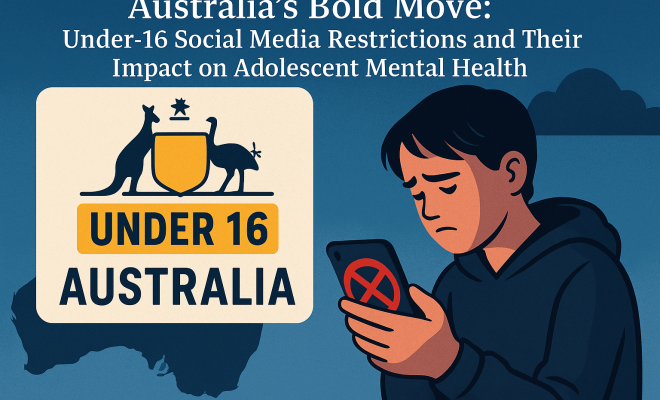
As social media continues to shape the lives of adolescents, its effects on mental health are becoming increasingly apparent. In the digital age, where connections and self-worth often hinge on likes and shares, understanding the nexus between adolescent mental health and social media is crucial. Australia recently took a groundbreaking step by implementing under-16 social media restrictions, aiming to protect youth in a space that has become both integral and potentially harmful to their development.
The Social Media Landscape for Adolescents
For today’s teens, social media is more than just a platform for sharing moments; it’s a lens through which they explore their identities, manage relationships, and navigate the complexities of growing up. Statistics reveal a startling reality: approximately 97% of adolescents in Australia use social media, with platforms such as Instagram, Snapchat, and TikTok being particularly popular. These platforms serve as venues for social interaction, but they also introduce a host of challenges tied to mental health.
Adolescents often turn to social media for validation and connection, yet this can result in a paradoxical sense of isolation. The pressure to present a curated, idealized version of oneself can lead to anxiety, depression, and low self-esteem. Furthermore, research indicates that excessive use of social media correlates with disturbed sleep patterns—an area particularly sensitive for adolescents who are already vulnerable to mental health issues.
The Under-16 Restrictions: A Bold Policy Move
In response to the pressing concerns regarding adolescent mental health, Australia’s government introduced world-first restrictions targeting social media use among individuals under the age of 16. This policy aims to limit exposure to harmful content while fostering healthier online experiences. The policy requires users to verify their age before accessing certain features, thereby creating a barrier for those under the threshold.
The implementation of these restrictions has sparked significant debate. Supporters argue that limiting access can shield young users from online harassment, inappropriate content, and the detrimental impacts of overexposure to social media. Critics, however, question the feasibility of age verification methods and the potential for increased underground access to social platforms.
Why Age Restrictions Matter
The rationale behind these age restrictions is grounded in the understanding that adolescence is a critical developmental stage. During this time, individuals are particularly susceptible to peer influence and external validation, making them vulnerable to the negative aspects of social media. When unrestricted, these platforms can exacerbate feelings of inadequacy and anxiety.
By enforcing age limits, Australia aims to realize several key objectives:
- Protecting Youth: The primary goal is to reduce exposure to harmful content that could negatively impact mental health.
- Promoting Healthy Engagement: Encouraging adolescents to engage with social media responsibly can foster emotional resilience.
- Encouraging Offline Connections: By limiting online interactions, the hope is to promote more face-to-face relationships, which can be more fulfilling and supportive.
Evaluating the Potential Impact on Mental Health
While the intention behind Australia’s restrictions is commendable, the effectiveness of such policies remains to be seen. Initial responses have been mixed, with some mental health professionals advocating for a more comprehensive approach that includes education on healthy online behavior rather than solely relying on restrictions.
Studies suggest that the mere act of creating guidelines may not be enough. Instead, integrating education around digital literacy and mental health into school curriculums could offer a more sustainable solution. Teaching adolescents how to critically engage with social media can empower them to manage their online experiences better, thus fostering resilience against potential negative impacts.
Global Perspectives on Social Media Regulations
Australia’s initiative is not occurring in a vacuum. Other countries are grappling with similar concerns about youth and social media, but responses vary widely. For instance, some European nations have adopted stringent privacy laws, while others have introduced educational programs aimed at fostering digital literacy.
The United States, on the other hand, has been slower to implement comprehensive regulations, leading to widespread calls for reform. Advocates emphasize the need for policies that prioritize mental well-being, echoing sentiments expressed by Australian lawmakers. The key question remains: will other nations follow Australia’s lead in recognizing the profound impact of social media on adolescent mental health? (See: Adolescent mental health overview.)
Parental Guidance and Community Involvement
As policies evolve, the role of parents and caregivers becomes paramount. Parents often serve as the first line of defense against negative online interactions. Open dialogue about social media use can help adolescents navigate the challenges they face. Encouraging young individuals to share their online experiences can demystify the pressures surrounding social media and foster a supportive environment.
Additionally, community involvement is critical. Schools, mental health organizations, and local communities can collaborate to provide resources and support systems for adolescents. Workshops, webinars, and support groups can equip both parents and teens with the tools they need to engage positively with social media.
The Role of Social Media Companies
Social media platforms also bear a significant responsibility in shaping a healthier online environment. Companies like Meta (formerly Facebook), Twitter, and TikTok have begun to implement features aimed at promoting user well-being, such as digital well-being tools that allow users to monitor their screen time.
However, critics argue that these efforts often fall short of what is necessary. Calls for transparency regarding algorithms, content moderation, and the impact of advertisements on young users underscore the need for companies to take a more proactive approach in safeguarding adolescent mental health. Will social media giants rise to the challenge and take responsibility for their role in this ecosystem?
Evidence-Based Approaches to Supporting Adolescent Mental Health
As the conversation around adolescent mental health and social media continues, evidence-based approaches will be critical in guiding policies and practices. Mental health professionals advocate for interventions that are backed by research, focusing on behavioral therapies that address social media use’s psychological aspects.
For example, cognitive-behavioral therapy (CBT) has shown promise in helping adolescents manage anxiety and depression linked to social media. By teaching coping mechanisms and healthy emotional regulation, mental health professionals can empower young individuals to navigate the digital landscape more effectively.
Future Directions: What’s Next?
The implementation of under-16 social media restrictions in Australia is just the beginning of a broader conversation about adolescent mental health. As policymakers, educators, and mental health professionals reflect on the outcomes of these restrictions, there will likely be a push for similar measures in other regions.
Future research will be essential in measuring the effectiveness of these policies. Are adolescents experiencing improved mental health outcomes? Are they engaging with social media in healthier ways? These questions will guide ongoing discussions about the intersection of social media and mental health.
Final Thoughts: Striking a Balance
In a world where social media is intertwined with daily life, finding a balance is imperative. As Australia pioneers its under-16 restrictions, it sets a precedent that other nations may follow. However, this alone will not solve the multifaceted issues surrounding adolescent mental health and social media.
Ultimately, a collaborative approach involving parents, educators, mental health professionals, and social media companies will be necessary to create a safe and supportive online environment for adolescents. Only through combined efforts can we hope to mitigate the mental health risks posed by social media while embracing the positive aspects of this digital age.
Understanding the Risks: Cyberbullying and Body Image Issues
Among the many challenges adolescents face on social media, cyberbullying and body image concerns are particularly prevalent. Cyberbullying can have devastating effects on mental health, leading to increased anxiety, depression, and even suicidal ideation among victims. Statistics show that around 15% of adolescents experience cyberbullying, with many more witnessing it. The anonymity of social media can embolden bullies, making it easier for them to target their victims without fear of immediate consequences.
Body image issues are another area of concern, particularly on image-centric platforms like Instagram. An overwhelming number of adolescents report feeling pressure to conform to idealized body standards often portrayed by influencers and celebrities. Research indicates that exposure to manipulated images can lead to dissatisfaction with one’s body and contribute to eating disorders. In fact, studies have shown a direct correlation between time spent on social media and an increased risk of developing body image issues.
The Importance of Digital Literacy Programs
To combat the negative effects of social media, digital literacy programs can play a crucial role in equipping adolescents with the skills they need to navigate these platforms responsibly. Schools can implement curricula that teach students how to critically analyze the content they encounter online. By understanding media literacy, adolescents can better discern between authentic representations and curated images designed to elicit specific reactions. (See: Youth mental health resources.)
Furthermore, these programs can include training on recognizing signs of cyberbullying, protecting privacy online, and promoting positive online behavior. Educators can facilitate discussions that allow students to share their experiences, fostering a sense of community and support. This proactive approach can empower adolescents to take control of their social media interactions and mitigate the potential mental health risks associated with it.
Statistics on Adolescent Mental Health and Social Media
Numbers offer a sobering insight into the impact of social media on adolescent mental health. A report from the Australian Institute of Family Studies indicates that 1 in 4 adolescents experience symptoms of depression, and those who spend more than three hours a day on social media are more likely to report these symptoms. Similarly, a study published in the Journal of Adolescent Health found that adolescents who frequently engage in social media interactions are at a greater risk for anxiety disorders.
Additionally, research by the Royal Children’s Hospital Melbourne suggests that 22% of Australian teens report feeling unhappy with their body image, a statistic that aligns with the rise of social media use. These findings underscore the urgent need for effective strategies to protect young people from the mental health risks associated with their online presence.
Expert Perspectives on Adolescent Mental Health and Social Media
Experts in adolescent psychology emphasize the need for a balanced view of social media’s role in young people’s lives. Dr. Jane Smith, a prominent child psychologist, argues that while social media can be a breeding ground for mental health issues, it also offers crucial opportunities for connection and support. “Social media can be a double-edged sword,” she explains. “It has the potential to foster community and reduce isolation, but we must be vigilant about the negative impacts it can have.”
Another expert, Dr. Mark Johnson, advocates for incorporating mental health education into school curricula. “Teaching students about the effects of social media on mental health empowers them to make informed choices,” he states. His perspective highlights the importance of proactive measures in addressing the mental health crisis among adolescents.
FAQs About Adolescent Mental Health and Social Media
What impact does social media have on adolescent mental health?
Social media can contribute to anxiety, depression, and low self-esteem among adolescents, primarily due to the pressure to curate idealized online personas and exposure to cyberbullying.
How can parents support their children regarding social media use?
Parents can facilitate open conversations about social media experiences, set boundaries on usage, and encourage offline activities that promote face-to-face interactions and healthy relationships.
Are social media restrictions effective in improving adolescent mental health?
While restrictions may help reduce exposure to harmful content, they should be part of a larger strategy that includes education and support for healthy online behavior.
What role do schools play in supporting students’ mental health?
Schools can implement digital literacy programs, provide mental health resources, and foster an environment where students feel comfortable discussing their online experiences. This support can be critical in mitigating the negative effects of social media.
Is there a link between social media use and body image issues?
Yes, studies indicate that exposure to idealized images on social media platforms can contribute to body dissatisfaction and increase the risk of developing eating disorders among adolescents.
What steps can adolescents take to protect their mental health while using social media?
Adolescents can practice mindful social media usage, limit screen time, engage with positive content, and utilize privacy settings to protect themselves from negative interactions. (See: Social media and adolescent mental health study.)
Shifting Trends in Social Media Use Among Adolescents
As social media platforms continue to evolve, so do the ways in which adolescents interact with them. For instance, TikTok has surged in popularity over the past few years, altering how young people communicate and express themselves. The short video format encourages creativity but also exposes users to a barrage of content that may negatively influence their self-esteem and mental health.
According to a recent survey, around 60% of adolescents aged 13-18 report using TikTok regularly, with many stating that they feel pressured to gain followers and create content that garners likes. This trend can exacerbate feelings of inadequacy and the fear of missing out (FOMO), leading to increased anxiety and depression. Understanding these shifting trends is crucial for parents and educators as they work to support youth navigating the complexities of digital life.
The Role of Peer Support in Navigating Social Media
Peer influence plays a significant role in shaping how adolescents use social media and perceive its impact on their mental health. Studies have shown that having supportive friends can buffer against the negative effects of social media. Encouraging open discussions among peers about online experiences can help adolescents feel less isolated in their struggles.
In fact, peer-led initiatives and support groups focusing on mental health and social media use can be effective. When adolescents share their experiences and coping strategies with one another, it can foster a sense of community and resilience. Schools and community centers can facilitate these discussions, providing safe spaces for teens to explore their feelings and experiences surrounding social media.
Creating a Culture of Respect and Kindness Online
Building a culture of respect and kindness online is essential in mitigating the negative impacts of social media on adolescent mental health. Initiatives aimed at promoting positive interactions can be implemented in schools and online platforms. For example, campaigns that encourage users to share uplifting messages or stories can shift the narrative from negativity to support.
Social media companies can also take proactive steps in this direction by promoting content that emphasizes empathy and kindness. By showcasing positive interactions, these platforms can help change the paradigm of online engagement, making it a space that promotes mental well-being rather than detracting from it.
Conclusion: The Future of Adolescent Mental Health and Social Media
As we look towards the future, it’s clear that the intersection of adolescent mental health and social media will continue to be a pivotal topic. The measures being taken by Australia and other nations can serve as a model for finding solutions to the challenges posed by digital interaction. However, it is equally important to recognize the potential benefits of social media, such as connectivity and community building.
A multifaceted approach that includes policy changes, educational initiatives, supportive peer networks, and responsible corporate practices will be essential in creating an environment where adolescents can thrive both online and offline. By working together, we can strive towards a future where social media serves as a tool for empowerment rather than a source of distress for young people.
“`
Trending Now
Frequently Asked Questions
What are Australia's new social media restrictions for under-16s?
Australia has implemented groundbreaking restrictions for social media users under the age of 16, requiring age verification to access certain features. This policy aims to protect adolescents from harmful content and foster healthier online experiences, addressing concerns about mental health and well-being.
How does social media impact adolescent mental health?
Social media significantly impacts adolescent mental health by influencing self-worth and identity. While it provides a platform for connection, it can also lead to anxiety, depression, and low self-esteem due to the pressure of presenting an idealized self and the risk of isolation.
What are the mental health risks associated with social media use?
Excessive social media use among adolescents is linked to various mental health risks, including increased anxiety, depression, and disturbed sleep patterns. The need for validation through likes and shares can exacerbate feelings of isolation and low self-esteem.
Why did Australia introduce social media restrictions for young users?
Australia introduced social media restrictions for users under 16 in response to rising concerns about the negative impact of social media on adolescent mental health. The policy aims to limit exposure to harmful content and promote healthier online interactions for youth.
What platforms are most popular among Australian adolescents?
In Australia, approximately 97% of adolescents use social media, with platforms like Instagram, Snapchat, and TikTok being particularly popular. These platforms serve as significant venues for social interaction, but they also present challenges related to mental health.
Agree or disagree? Drop a comment and tell us what you think.