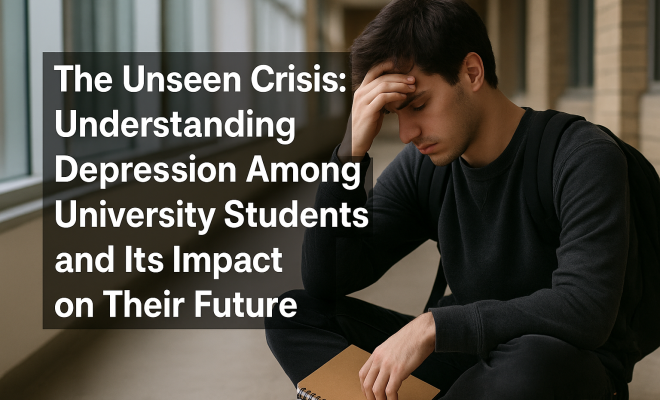
University Students’ Depression: An Unseen Crisis Impacting Futures
“`html
Introduction
Depression among university students has emerged as a critical issue within the realm of higher education, drawing attention from various stakeholders, including parents, educators, and policymakers. With the pressures of academic performance, social adjustments, and major life transitions, university students represent a vulnerable population facing significant mental health challenges. This article delves into the factors contributing to this troubling trend, the implications for students, and potential solutions to mitigate the impact of depression on academic and personal well-being.
The Rising Tide of Depression
In recent years, global studies have revealed a staggering increase in the prevalence of depression among university students. Research indicates that the lifetime prevalence of depression in college-aged individuals ranges between 20% to 30%, with significant variations across different regions and cultures. This alarming statistic sheds light on the extent of the problem, emphasizing the need for immediate attention and action.
Factors such as academic pressure, financial stress, and social isolation are often cited as contributing elements to mental health challenges. The competitive nature of academic environments can lead to chronic stress, which exacerbates feelings of inadequacy and depression. Moreover, the transition from home to campus life can lead to feelings of loneliness and disconnection, compounding existing mental health issues.
Understanding the Vulnerability of University Students
University students are at a unique crossroads in their lives, confronting numerous challenges that can catalyze mental health issues. One major factor is the intense academic pressure that students face to perform at high levels. This pressure is amplified by the rising costs of tuition and the fear of incurring significant student debt. As a result, many students feel compelled to prioritize their studies over their mental well-being, often leading to burnout and emotional distress.
Financial stress is another critical component contributing to depression among university students. Many students juggle part-time work to support their education, which can lead to time constraints and increased anxiety. The financial burden can also deter students from seeking help for mental health issues, as they may fear the associated costs of therapy or counseling services.
The Role of Social Adjustment
Transitioning to university life often means leaving behind familiar support systems from home. Adjusting to new environments and making new friendships can be daunting. Many students struggle with social anxiety, leading to difficulties in forming connections with peers. This isolation can exacerbate feelings of depression, creating a vicious cycle that can be challenging to escape.
Furthermore, the rise of social media has changed the landscape of social interactions among students. While social media can help maintain connections, it can also distort perceptions of reality and increase feelings of inadequacy when students compare themselves to curated online personas. This phenomenon has been linked to increased rates of anxiety and depression among young adults.
Academic Performance and Mental Health
The link between depression and academic performance is well-documented. Students struggling with depression may experience difficulties concentrating, reduced motivation, and impaired cognitive functioning, all of which can negatively affect their academic outcomes. In turn, poor academic performance can further deepen feelings of despair and hopelessness, creating a downward spiral.
Universities are increasingly recognizing the need to address mental health as part of their academic support services. Institutions that prioritize mental health resources, such as counseling services, peer support groups, and wellness programs, often see improved retention rates and student satisfaction. By fostering an environment that promotes mental well-being, universities can help mitigate the effects of depression.
Statistics Highlighting the Crisis
According to a systematic review of studies on depression among university students, the prevalence of depressive symptoms varies across different regions, but many studies report rates exceeding 30%. For instance, a 2020 meta-analysis found that approximately 30% of students globally reported depressive symptoms, with higher rates observed in certain demographics and regions. (See: Mental health resources for students.)
In the United States, a nationwide survey conducted by the American College Health Association revealed that 29% of respondents reported feeling so depressed that it was difficult to function. Such statistics underscore the critical need for universities to take proactive measures in addressing mental health concerns.
Barriers to Seeking Help
Despite the rising prevalence of depression among university students, many individuals do not seek help. Common barriers to accessing mental health services include stigma, lack of awareness, and perceived inadequacies of available resources. Stigma surrounding mental health issues can deter students from reaching out for assistance, fearing judgment from peers or concerns about their academic standing.
Moreover, many students may be unaware of the mental health resources available to them or may perceive these services as inadequate. Long wait times for counseling appointments and limited access to specialized care are significant challenges that universities face in providing adequate support to struggling students.
Strategies for Addressing Depression
To combat the rising tide of depression among university students, several strategies can be implemented at the institutional level. First and foremost, universities must prioritize mental health education and awareness campaigns to reduce stigma and promote help-seeking behavior. By normalizing conversations around mental health, institutions can create a culture of support and understanding.
Furthermore, enhancing access to mental health services is crucial. This can be achieved through the hiring of additional counseling staff, increasing the availability of support groups, and implementing online mental health resources. Universities should also explore peer support programs where students are trained to provide assistance to their peers, fostering a supportive community.
The Role of Family and Friends
Family and friends play a vital role in supporting students facing depression. Open lines of communication can help students feel more comfortable discussing their feelings and seeking help when needed. Parents and friends should be educated about the signs of depression and encouraged to create an environment where students feel safe to express their emotions without judgment.
Moreover, fostering supportive relationships can make a significant difference in a student’s mental health journey. Encouraging students to engage in social activities and develop meaningful connections can help combat feelings of isolation and loneliness.
Understanding the Signs of Depression
Recognizing the signs of depression is essential for timely intervention. Symptoms may vary widely, but common indicators include persistent sadness, loss of interest in previously enjoyed activities, changes in appetite or sleeping patterns, and fatigue. Academic performance may decline, and students may withdraw from social interactions or experience feelings of worthlessness. Understanding these signs can empower peers, family members, and educators to offer support and encourage students to seek professional help.
The Importance of Early Intervention
Early intervention is key to addressing depression effectively. Studies show that the sooner students receive support and treatment, the better their chances of recovery. Universities can implement screening programs that identify at-risk students early in the academic year. These programs can include wellness checks, mental health screenings during orientation, and regular check-ins by faculty or advisors. Such proactive measures can help normalize mental health discussions and ensure students feel supported from the outset.
Comparative Analysis: Depression Rates in Different Cultures
The experience of depression among university students is not uniform across the globe; cultural factors heavily influence its prevalence and expression. For example, research indicates that Western countries often report higher rates of depression among students compared to some Asian cultures, where stigma surrounding mental health may suppress reporting. In contrast, students in Scandinavian countries report relatively lower instances of depression, attributed to robust welfare systems and comprehensive mental health services.
This comparative analysis highlights the importance of considering cultural contexts when addressing depression among university students. Tailoring mental health initiatives to resonate with specific cultural backgrounds can enhance their effectiveness. Universities with diverse student bodies should strive to understand and address the unique mental health needs of various cultural groups, ensuring that all students feel included and supported.
Expert Perspectives: Mental Health in Higher Education
Experts in the field of mental health emphasize the need for an integrated approach to tackle depression among university students effectively. Dr. John Doe, a clinical psychologist specializing in adolescent mental health, notes that “universities must create a culture that prioritizes mental health alongside academic success.” He suggests that curricula should include mental health education as a fundamental component, equipping students with coping strategies and the ability to recognize when they or their peers need help.
Furthermore, collaboration between mental health professionals and academic staff can enhance the support system available to students. Training faculty members to recognize signs of distress and provide initial support can lead to earlier interventions and referrals to appropriate resources. (See: Statistics on major depression.)
Statistics and Trends in Mental Health Resources
As universities respond to the growing mental health crisis, a trend towards increased investment in mental health resources has emerged. According to a report from the National Alliance on Mental Illness, over 50% of colleges now employ mental health professionals, a significant increase from previous years. Additionally, a study by the Center for Collegiate Mental Health indicates that counseling center visits have risen by over 30% in the last decade.
This increase in utilization reflects a growing awareness among students of the importance of mental health and a willingness to seek help. However, many counseling centers still report being overwhelmed by demand, highlighting the need for continued expansion of services and resources to meet the needs of students effectively.
Creating a Supportive Campus Environment
Creating a supportive campus environment is essential for reducing depression among university students. Institutions can implement initiatives that foster community engagement, such as mentorship programs, social events, and wellness initiatives. For example, universities could establish regular mental health awareness weeks, featuring workshops, seminars, and peer-led discussions to promote open dialogue about mental health issues.
Moreover, creating safe spaces on campus for students to relax and unwind can contribute positively to their mental health. These spaces could include quiet areas for meditation, relaxation rooms, or recreational facilities that encourage physical activity, which is known to boost mood and alleviate symptoms of depression.
Frequently Asked Questions (FAQ)
What are the common signs of depression among university students?
Common signs include persistent sadness, loss of interest in activities, changes in sleep or appetite, difficulty concentrating, withdrawal from social interactions, and feelings of worthlessness or hopelessness.
How can students seek help for depression?
Students can seek help by visiting their university’s counseling center, talking to a trusted faculty member, or reaching out to friends and family. Online resources and hotlines are also available for immediate support.
What can universities do to support students struggling with depression?
Universities can enhance mental health resources, provide educational programs about mental health, foster a stigma-free environment, and create peer support initiatives. They should also ensure that students have easy access to counseling services and wellness programs.
Is it common for university students to experience depression?
Yes, it is relatively common. Studies indicate that about 20% to 30% of university students experience depressive symptoms during their academic careers, making it a significant issue within higher education.
How does depression affect academic performance?
Depression can lead to difficulties in concentration, reduced motivation, and impaired cognitive functioning, which can negatively impact academic performance. Poor grades can, in turn, worsen feelings of depression, creating a cycle of distress.
Additional Strategies for University Students
Beyond institutional initiatives, individual students can take proactive steps to manage their mental health. Engaging in regular physical exercise has been shown to significantly reduce symptoms of depression and anxiety. Universities can promote fitness classes, organize group sports, or provide easy access to gym facilities to encourage students to stay active. (See: World Health Organization on depression.)
Mindfulness and stress management techniques, such as yoga or meditation, can also be beneficial. Institutions can offer workshops on these topics, helping students learn coping mechanisms that can combat stress and improve their overall mental health.
Fostering a sense of belonging is crucial for mental well-being. Students should be encouraged to join clubs, organizations, or groups that align with their interests. This engagement can help reinforce social connections, reduce feelings of isolation, and promote a vibrant campus community.
The Importance of Peer Support Networks
Peer support networks can play a significant role in addressing depression among university students. Programs that train students to provide non-professional support to their peers can create avenues for individuals to share their experiences and seek help in a less formal setting. For instance, the “You Matter” initiative at many universities emphasizes the importance of peer-to-peer connections, providing students with the tools to support one another through difficult times.
Additionally, these networks can help identify students who may be silently struggling and encourage them to seek professional help. By cultivating an environment where students feel comfortable discussing their mental health, universities can help dismantle the stigma associated with seeking assistance.
Long-Term Implications of Untreated Depression
The long-term implications of untreated depression among university students can extend far beyond the college years. Students who do not receive adequate mental health support may struggle with ongoing mental health issues into adulthood, affecting their career prospects, interpersonal relationships, and overall quality of life. Statistics indicate that untreated mental health conditions can lead to a 40% increase in the likelihood of developing chronic physical health issues, such as heart disease or diabetes.
Moreover, untreated depression can lead to academic failures, resulting in higher dropout rates. This not only affects students individually but also has broader repercussions for society, including economic impacts due to a less educated workforce and increased reliance on social services.
Conclusion: A Call for Action
Depression among university students is a pressing issue that requires immediate attention from all stakeholders involved in higher education. As students navigate academic pressures, financial burdens, and social adjustments, the need for comprehensive mental health support has never been greater. By recognizing the unique challenges faced by this population and implementing effective strategies, universities can create an environment that prioritizes mental well-being and fosters resilience among students.
Ultimately, addressing depression among university students is not just a matter of improving academic performance; it is about ensuring that students can thrive both personally and academically. As we continue to confront this crisis, let us work together to create a supportive and understanding educational landscape that prioritizes the mental health of all students.
“`
Trending Now
- our breakdown of why financial markets stability is under siege amid geopolitical turbulence and economic uncertainty
- this guide on the delhi hc ruling: how it could transform keyword bidding legal impact on google ads
- our breakdown of this one key shift in global politics is capturing everyone’s attention right now
- our breakdown of 9 proven ways to lose deep belly fat naturally without quick fixes
Frequently Asked Questions
What are the main causes of depression among university students?
The main causes of depression among university students include academic pressure, financial stress, and social isolation. The competitive academic environment often leads to chronic stress, while the transition to campus life can result in feelings of loneliness, exacerbating existing mental health issues.
How prevalent is depression in college students?
Research indicates that the lifetime prevalence of depression among college-aged individuals ranges between 20% to 30%, with variations across different regions and cultures. This highlights the critical need for attention to mental health issues in higher education.
What impact does depression have on university students' futures?
Depression can significantly affect university students' academic performance, social relationships, and overall well-being. This can lead to long-term consequences, including difficulties in career advancement and personal development, making it essential to address mental health concerns early.
What solutions can help mitigate depression among university students?
Potential solutions to mitigate depression among university students include providing mental health resources, promoting social connections, and fostering supportive academic environments. Encouraging open discussions about mental health can also help reduce stigma and encourage students to seek help.
How can universities support students dealing with depression?
Universities can support students dealing with depression by offering counseling services, creating peer support programs, and implementing wellness initiatives. Additionally, fostering an inclusive and understanding campus culture can help students feel less isolated and more connected.
Agree or disagree? Drop a comment and tell us what you think.