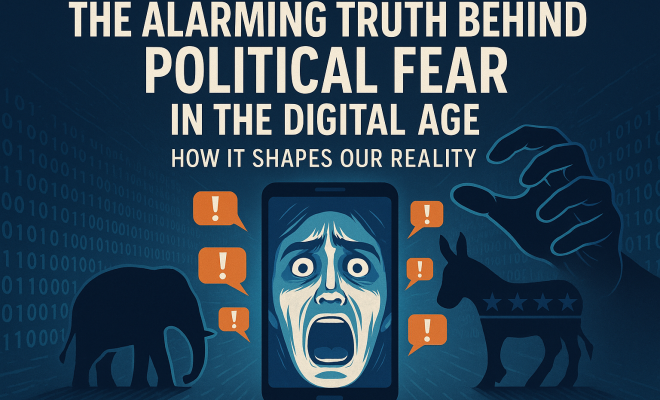
The Alarming Truth Behind Political Fear in the Digital Age: How It Shapes Our Reality
“`html
The digital era has revolutionized how political discourse unfolds, and with it has emerged a pervasive undercurrent of political fear in the digital age. This phenomenon is not just a byproduct of political engagement; it has become a fundamental aspect of digital governance. In a world where social media platforms dominate communication, the architecture of these platforms influences how political narratives are shaped, shared, and consumed. This article explores how fear has been institutionalized within digital platforms, affecting democratic discourse and public engagement.
The Infrastructure of Fear
Fear has become more than just an emotional response; it has morphed into a form of infrastructure that governs political engagement online. Digital platforms, designed to maximize user engagement and retention, often prioritize emotionally charged content. This preference for sensationalism serves to amplify narratives that evoke fear, particularly regarding societal threats, crime, and cultural conflicts.
Platforms like Facebook and Twitter utilize algorithms that reward content with high engagement metrics. In practice, this means that posts invoking fear or anxiety tend to be shared more widely, gaining traction in public discourse. Consequently, actors who leverage fear-based narratives—especially populist and authoritarian leaders—find fertile ground for their messaging, which can lead to a more polarized and emotionally charged political environment.
Mechanisms for Amplifying Fear
Understanding the mechanisms through which political fear is amplified online requires a closer look at the interaction between platform design and user behavior. The algorithms driving social media engagement are primarily designed to capture attention, often through sensationalized content. Content creators learn quickly that invoking fear can result in higher engagement rates, leading to a feedback loop where fear-based narratives are not only promoted but institutionalized.
For instance, during election cycles, we often see a surge in emotionally manipulative political advertising. Such ads frequently combine threat narratives—such as border security crises or rising crime rates—with identity politics, appealing to users’ fears regarding their social identity. By framing political issues in this manner, these strategies effectively generate and exploit fear, creating an environment where panic and urgency overshadow rational discourse.
The Role of Engagement Metrics
Engagement metrics serve as a critical tool for platform operators, providing data on which types of content resonate most with users. However, this data often reflects a preference for sensational over substantive content. As a result, content that incites fear, outrage, or strong emotional responses tends to receive more visibility. This emphasis on engagement can distort political discussions, forcing important issues into the background in favor of more sensationalized narratives.
The reliance on these metrics raises important questions about accountability. When platforms prioritize engagement over accuracy, they inadvertently foster an environment where misinformation can thrive, further entrenching fear-based politics. The implications of this dynamic are particularly troubling in democratic contexts, where informed citizenry is vital for a functioning political system.
Populism and Authoritarianism: A Perfect Storm
Populist and authoritarian movements have effectively harnessed the infrastructure of fear for their own gain. By tapping into societal anxieties surrounding immigration, crime, and cultural changes, these actors can mobilize support by framing themselves as protectors against perceived threats. Their narratives often exploit the vulnerabilities created by digital engagement algorithms, leading to an environment ripe for manipulation.
For example, leaders like Donald Trump have used social media to amplify fears related to immigration and crime, presenting themselves as the solution to these so-called crises. This tactic is not limited to one political spectrum; leaders across various political landscapes have utilized similar strategies, confirming that fear is a powerful tool in the arsenal of political communication.
The Consequences of Fear-Based Politics
The ramifications of institutionalized political fear extend beyond individual engagement; they shape the very fabric of public discourse. Fear-based politics often leads to the normalization of divisive rhetoric, where discussions become less about policy and more about identity and group belonging. This shift can have profound effects on societal cohesion and democratic values.
Moreover, the prevalence of fear in political messaging can hinder constructive dialogue. When political opponents are framed as threats, the potential for compromise diminishes, creating an atmosphere of hostility. In democracies, this hostility can manifest as increased polarization, making it increasingly difficult to achieve consensus on critical issues. (See: Associated Press on political narratives.)
Combating Political Fear in the Digital Age
As awareness of the implications of political fear grows, there is a pressing need for strategies to combat its influence in the digital realm. One approach is to advocate for stronger regulations surrounding political advertising, focusing on transparency and accountability. By requiring platforms to disclose the sources and funding of politically charged content, users can become more informed consumers of information.
Furthermore, fostering digital literacy among users can empower individuals to critically evaluate the content they encounter. Educational initiatives that promote critical thinking and media literacy can help counteract the emotional manipulation that often accompanies fear-based narratives. By equipping users with the tools to discern fact from fiction, we can begin to dismantle the infrastructure of fear.
The Future of Digital Governance
The relationship between digital platforms and political fear raises critical questions about the future of governance in the digital age. As technology continues to evolve, so too will the mechanisms through which fear is communicated and mobilized. Policymakers must grapple with the challenges posed by these developments, ensuring that the democratic process is not undermined by emotionally manipulative tactics.
One potential avenue for reform is the development of algorithms that prioritize accuracy and context over engagement. By rethinking how content is ranked and recommended, platforms can create an environment that fosters informed discourse rather than fear-driven engagement. This shift could help mitigate the impact of fear on political discussions, encouraging a more balanced and rational approach to governance.
Empowering Inclusive Responses
Combatting political fear in the digital age requires an inclusive response from all stakeholders, including policymakers, platform operators, and users. Collaborative efforts to address misinformation and emotional manipulation can foster a healthier political environment. Initiatives aimed at community building and dialogue can create spaces where diverse perspectives can be shared without fear of retribution or hostility.
Moreover, supporting platforms that prioritize ethical practices in content moderation and political advertising can encourage healthier discourse. As users, we can advocate for changes that promote transparency and accountability, demanding that our digital spaces reflect the values of open and inclusive dialogue.
The Role of Social Media in Shaping Political Fear
Social media’s role in shaping political fear cannot be understated. These platforms have become primary channels for political communication, allowing information to spread rapidly and widely. While this democratizes access to information, it also means that fear-based narratives can proliferate unchecked, leading to widespread misinformation and panic.
To mitigate the harmful effects of fear-based content, social media companies need to invest in robust fact-checking and content moderation practices. This includes not only identifying and limiting the spread of false information but also promoting content that encourages constructive political discourse. By fostering an environment conducive to healthy dialogue, platforms can help alleviate some of the fear that currently permeates political discussions.
The Economic Impact of Fear-Based Politics
The economic ramifications of political fear in the digital age are profound and multifaceted. Research has shown that fear-driven political narratives can significantly influence market behavior. For instance, during periods of heightened political uncertainty characterized by fear-based rhetoric, stock markets may experience increased volatility. Investors, driven by fear of potential policy changes or instability, often make irrational decisions that can exacerbate market fluctuations.
Furthermore, businesses may alter their operations based on political fear. Companies often engage in risk management strategies that include contingency planning for potential political upheaval. For example, concerns about trade wars or regulatory changes prompted by fear-laden political discourse can lead organizations to reconsider supply chains, workforce planning, and investment strategies. This phenomenon not only affects the businesses themselves but can also ripple out to impact employment rates and consumer confidence.
Statistics on Political Fear and Its Effects
To understand the impact of political fear, we can look at various studies and statistics that illustrate its prevalence and effects. According to a 2022 report by the Pew Research Center, over 70% of Americans reported feeling anxious about the current political climate, with a significant portion attributing this anxiety to media portrayals of political issues.
Moreover, data from the Digital News Report 2023 indicates that approximately 58% of respondents believe that social media platforms contribute to their fears regarding political issues, reinforcing the idea that digital narratives play a crucial role in shaping public perception. (See: BBC News on digital governance.)
Another illuminating statistic comes from a study by the Oxford Internet Institute, which found that fear-based political content is shared 60% more often than content framed in a positive or neutral manner. This statistic underscores the algorithmic incentives that prioritize sensationalism, further embedding fear into the political landscape.
Expert Perspectives on Political Fear
Various experts have weighed in on the implications of political fear in the digital age. Dr. Karen M. Stenner, a political psychologist, argues that fear can lead to a desire for authoritarian governance, suggesting that fear-based narratives can shape political identities and preferences. In her view, the digital age has provided fertile ground for these narratives to flourish, resulting in increased support for populist leaders who promise security and stability.
Additionally, Dr. Yochai Benkler from Harvard Law School highlights how fear-based political strategies can undermine the fabric of democracy itself. He emphasizes the need for a collective approach to digital governance that prioritizes factual discourse and combats the spread of misinformation. According to him, without intervention, the cycle of fear-driven politics will only intensify, resulting in detrimental consequences for democratic institutions.
Comparative Analysis: Political Fear Across Different Countries
The manifestation of political fear varies significantly across different countries, influenced by cultural, historical, and social factors. For instance, in the United States, political fear often centers around issues of immigration and crime, as evidenced by campaigns that invoke fear of the “other.” In contrast, in countries like Hungary and Poland, the discourse has frequently revolved around national sovereignty and cultural preservation, where political leaders exploit fears of external influences, particularly from the European Union.
In countries such as Venezuela, political fear is exacerbated by economic crises, where leaders leverage fear regarding shortages and instability to justify authoritarian measures. This comparison illustrates how political fear can be tailored to fit specific narratives, manipulating public sentiment to consolidate power across various political landscapes.
Frequently Asked Questions (FAQ)
What is political fear in the digital age?
Political fear in the digital age refers to the widespread anxiety and apprehension that stems from political narratives propagated through digital platforms, particularly social media. This fear is often exacerbated by sensationalized content and emotional manipulation, influencing public perceptions and political behaviors.
How does social media contribute to political fear?
Social media contributes to political fear by amplifying sensationalized narratives, promoting fear-based content through engagement-driven algorithms, and creating echo chambers that reinforce existing fears. The rapid spread of misinformation on these platforms further exacerbates public anxiety.
What can be done to combat political fear online?
Combating political fear online involves advocating for stronger regulations on political advertising, promoting digital literacy among users, and fostering inclusive dialogue across digital spaces. Additionally, social media platforms can invest in content moderation practices that prioritize accuracy and constructive discourse.
Why is digital literacy important in addressing political fear?
Digital literacy is crucial in addressing political fear because it equips individuals with the skills to critically evaluate information, discern factual content from misinformation, and engage in informed discussions. By fostering a more informed citizenry, the impact of fear-based narratives can be mitigated.
How does political fear affect democratic processes?
Political fear can hinder democratic processes by polarizing public opinion, undermining constructive dialogue, and fostering an environment where compromise becomes increasingly difficult. This polarization can ultimately lead to a decline in trust in democratic institutions and erode civic engagement. (See: New York Times on social media influence.)
New Strategies for Counteracting Political Fear
As political fear continues to permeate digital spaces, it is essential to explore innovative strategies for counteraction. One promising approach is to enhance community engagement initiatives that bridge ideological divides. Programs designed to promote dialogue between opposing viewpoints can help diminish the sense of threat associated with differing political opinions. Platforms can facilitate these discussions by creating dedicated spaces for civil discourse, where users can share their perspectives without fear of hostility.
Another strategy involves leveraging technology for positive storytelling. By utilizing social media to share uplifting narratives, community success stories, and examples of collaboration, users can counteract the pervasive negativity that often feeds political fear. Campaigns that highlight cooperation and resilience within communities serve as powerful antidotes to fear-driven messaging. Such initiatives can foster a sense of hope and agency among users, encouraging them to engage positively with the political process.
The Psychological Impact of Political Fear
The psychological effects of political fear cannot be overlooked. Research indicates that chronic exposure to fear-inducing political messages can lead to anxiety, depression, and increased stress levels among individuals. This emotional toll can influence voting behavior, where fearful individuals may lean towards more authoritarian candidates who promise security but may undermine democratic processes. Addressing the psychological aspects of political fear involves promoting mental health awareness and providing resources for individuals struggling with anxiety linked to political climates.
Moreover, fostering resilience within communities can help mitigate the psychological impact of political fear. Initiatives focused on mental health support, stress management, and community cohesion can empower individuals to navigate the emotional challenges posed by fear-based politics. These supportive environments can create a buffer against the adverse effects of political fear, leading to healthier civic engagement.
Global Perspectives: How Different Cultures Handle Political Fear
Cultural responses to political fear vary widely around the globe. For instance, in Scandinavian countries, there tends to be a greater emphasis on transparency and public trust in institutions, which helps mitigate fears regarding political issues. These nations often engage in open dialogues with citizens about policy decisions, thereby reducing anxiety surrounding government actions.
Conversely, in regions where political fear is prevalent, such as parts of the Middle East, citizens often grapple with censorship and limited access to reliable information. This lack of transparency can exacerbate fears and lead to a vicious cycle of misinformation and distrust. Understanding these cultural dynamics is crucial for developing tailored approaches to combating political fear in different contexts.
Conclusion: Navigating the Landscape of Political Fear
In summary, the phenomenon of political fear in the digital age poses complex challenges for democratic engagement. The institutionalization of fear through platform design, engagement metrics, and politically manipulative messaging creates a landscape where emotional responses often overshadow rational debate. As we navigate this terrain, it is imperative to recognize the mechanisms at play and seek out strategies to promote healthier political discourse.
By fostering digital literacy, advocating for transparency in political advertising, and supporting inclusive dialogue, we can begin to dismantle the infrastructure of fear that dominates our digital landscape. The future of democracy depends on our ability to confront these challenges head-on, ensuring that fear does not dictate the terms of political engagement.
“`
Trending Now
- read the full story
- the complete explanation
- this guide on this one key shift in global politics is capturing everyone’s attention right now
- this guide on explosive shift: fatah opens leadership vote to freed terror convicts, igniting political turmoil
- 9 Proven Ways to Lose Deep Belly Fat Naturally Without Quick Fixes
Frequently Asked Questions
How does political fear influence social media content?
Political fear influences social media content by driving algorithms that prioritize emotionally charged narratives. Content that evokes fear tends to receive higher engagement, leading to its wider dissemination. This creates a feedback loop where fear-based posts are amplified, shaping public discourse and political engagement.
What role do algorithms play in spreading fear online?
Algorithms on social media platforms are designed to maximize user engagement, often favoring sensational content that evokes fear. This prioritization leads to the amplification of fear-based narratives, particularly from populist and authoritarian leaders, which can polarize political discussions.
Why is fear used in political messaging?
Fear is used in political messaging because it captures attention and drives engagement. Politicians and content creators find that fear-based narratives resonate more with audiences, leading to increased shares and discussions, thus making fear a powerful tool in shaping political discourse.
How can digital platforms affect democratic discourse?
Digital platforms can affect democratic discourse by prioritizing sensational and fear-inducing content, which can lead to polarization and emotional responses among users. This environment can hinder rational debate and promote divisive narratives, ultimately impacting how democracy functions.
What is the impact of fear on public engagement in politics?
Fear impacts public engagement in politics by motivating users to engage with content that resonates emotionally, often leading to heightened anxiety and polarization. This can distort public perception and participation in democratic processes, as fear-driven narratives dominate discussions.
Have you experienced this yourself? We’d love to hear your story in the comments.