10 Essential Soft Diet Guidelines for Pain-Free Eating
“`html
When difficulty swallowing arises, whether due to medical conditions or recovery from procedures, adhering to soft diet guidelines becomes crucial. A soft diet is specifically designed to minimize discomfort while ensuring adequate nutrition. This article examines ten essential guidelines surrounding soft diets, highlighting safe foods to eat and those to avoid, particularly for individuals dealing with esophageal issues.
1. Understanding Soft Diet Guidelines
A soft diet focuses on foods that are easy to chew and swallow, making it an essential recommendation for individuals experiencing conditions like esophagitis or recovering from surgery. These guidelines aim to reduce the risk of irritation or injury to the esophagus, allowing for a more comfortable eating experience. Moreover, it promotes healing while ensuring complete nutrition.
Common reasons for adopting soft diet guidelines include treatments for esophageal conditions, swallowing difficulties, or post-operative recovery. It is advisable to consult with healthcare professionals before making dietary changes if you face these issues.
2. Soft Foods to Embrace
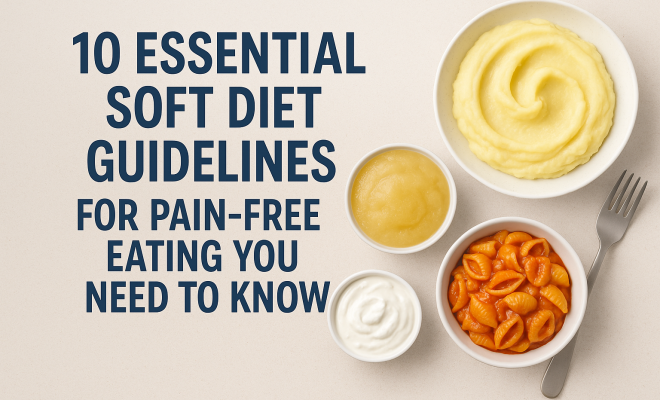
Adopting a soft diet involves incorporating a variety of scrumptious options that cater to both taste and texture. High on the list are soft cheeses, such as cream cheese and ricotta, which are not only easy to swallow but also provide essential calcium and protein. These cheeses can be spread on soft bread or mixed into dishes to enhance flavor and creaminess.
Yogurt is another excellent food that fits comfortably within soft diet guidelines. Rich in probiotics, yogurt aids digestion and can help soothe the digestive tract. Opting for plain or fruit-flavored varieties can add nutritional value without compromising texture. Other soft foods like applesauce and mashed bananas offer natural sweetness while being gentle on the esophagus.
3. Delicious Soft Cooked Vegetables
Cooked vegetables can be a vibrant part of a soft diet, provided they are prepared correctly. Carrots, zucchini, and squash are ideal choices, as they can be steamed or boiled until tender. Cooking vegetables until they are soft not only makes them easier to chew and swallow but also helps to retain their nutrients.
It is wise to avoid fibrous vegetables like celery or artichokes that can exacerbate swallowing issues and cause irritation to the esophagus. Incorporating a variety of colors and types of soft-cooked vegetables can make meals both appealing and nutritious.
4. Comforting Liquids and Broths
Liquids are vital in a soft diet, especially for those who struggle with solid foods. Broths, whether chicken, beef, or vegetable, not only provide hydration but also a flavorful base for soups and stews. These can be enhanced with soft ingredients, creating comforting meals that are easy on the throat.
In addition to broths, smoothies made with yogurt or milk and soft fruits can serve as a nutritious meal replacement. They are versatile and can be tailored to individual tastes. Ensuring adequate fluid intake is essential for maintaining overall health during recovery.
5. Importance of Texture in Food Selection
The texture of foods plays a critical role in adhering to soft diet guidelines. Foods should be soft, moist, and easy to chew to minimize discomfort during eating. Avoiding dry or crunchy foods reduces the chance of irritation in the esophagus. For instance, choosing cooked grains like rice or oatmeal instead of their raw or dry counterparts can promote a smoother eating experience.
Beyond choosing soft foods, incorporating sauces or gravies can enhance moisture, making even the mildest dishes more palatable. They can transform bland foods into flavorful meals while remaining compliant with soft diet guidelines.
6. Foods to Avoid on a Soft Diet
While many foods are safe on a soft diet, individuals must also be aware of those to avoid. Foods that are scratchy, fibrous, or grainy can cause significant discomfort and should be eliminated from the diet. This includes items like celery, which can irritate the esophagus due to its fibrous nature. (See: Soft diet guidelines and nutrition.)
Additionally, hard grains and crusty bread should be avoided. These foods can lead to choking hazards and exacerbate swallowing difficulties. It’s essential to carefully read ingredient lists and opt for softer alternatives that provide similar nutritional benefits without the risk of irritation.
7. Mindful Eating Practices
Incorporating mindful eating practices is vital for those on a soft diet. Taking time to chew food thoroughly allows for better digestion and reduces the risk of swallowing issues. It is also advisable to eat in a calm environment, free from distractions, to focus on the eating experience and listen to the body’s signals.
Portion control can also play a role in comfort while eating; smaller bites can prevent overwhelming the esophagus. It is beneficial to take breaks between bites, allowing the body to process the food more effectively.
8. Special Considerations for Individuals with Specific Conditions
People dealing with specific medical conditions may require tailored soft diet guidelines. For example, individuals coping with cancer treatments may experience heightened sensitivity and might need ultra-soft foods—like pureed soups or smoothies—to meet their nutritional needs without discomfort.
Moreover, conditions like gastroesophageal reflux disease (GERD) may necessitate additional modifications. Knowing which foods can exacerbate symptoms is crucial to creating a safe and effective eating plan. Consulting with healthcare providers or dietitians can yield personalized recommendations.
9. Nutrition Balance on a Soft Diet
Maintaining a balanced diet while following soft diet guidelines is essential. It is important to include a variety of food groups to ensure an intake of essential vitamins and minerals. Incorporating lean proteins such as ground turkey or fish can provide necessary nutrients without the risk of injury.
Additionally, including dairy products like yogurt or milk offers calcium and protein, while soft fruits and vegetables deliver vitamins and fiber. Planning meals to cover all food groups can help in maintaining nutritional balance while adhering to the soft diet.
10. Consultation and Professional Guidance
Lastly, it is always wise to seek professional guidance when following soft diet guidelines, especially if symptoms persist. Dietitians or healthcare professionals can provide tailored advice based on individual needs, ensuring that nutritional requirements are met while considering the specific challenges faced by the individual.
In conclusion, the importance of soft diet guidelines cannot be overstated for those facing swallowing difficulties. By understanding what to eat and what to avoid, individuals can navigate their dietary restrictions with ease and comfort. Remember, a well-planned soft diet can not only provide relief but also support recovery and overall health.
11. The Role of Hydration in a Soft Diet
Hydration is a critical aspect of maintaining health, especially for individuals on a soft diet. Adequate fluid intake helps with digestion and can aid in the swallowing process. When solid foods are limited, drinks like water, herbal teas, and clear juices play an essential role in hydration.
Individuals may also consider electrolyte drinks, especially if they struggle with nausea or vomiting. These drinks can replace lost fluids and provide a boost of energy. However, it is important to choose options without too much sugar or acidity, as these can irritate the esophagus.
12. Sample Meal Plan for a Soft Diet
Creating a daily meal plan can help individuals adhere to soft diet guidelines while ensuring a balanced intake of nutrients. Here’s a sample meal plan:
- Breakfast: Creamy oatmeal topped with mashed bananas and a drizzle of honey.
- Mid-Morning Snack: A serving of yogurt with blended soft fruits.
- Lunch: Pureed carrot soup served with soft bread (without crust).
- Afternoon Snack: Applesauce or a smoothie made with spinach and avocado.
- Dinner: Steamed fish with mashed potatoes and soft-cooked green beans.
- Evening Snack: Soft rice pudding or custard.
This meal plan offers a variety of flavors and textures while meeting the nutritional needs of someone on a soft diet.
13. Statistics on Soft Diet Needs
Recent studies indicate that a significant portion of the population experiences swallowing difficulties at some point in their lives. According to the National Foundation of Swallowing Disorders, nearly 15 million people in the United States struggle with dysphagia, a condition that makes swallowing difficult. This number increases among older adults, with up to 30% of elderly individuals facing swallowing challenges, particularly those with neurological conditions or cognitive impairments. (See: Food safety for soft diets.)
The need for soft diet guidelines is evident, as these individuals require dietary adjustments not only for comfort but also to prevent complications such as aspiration pneumonia, malnutrition, and dehydration.
14. Expert Perspectives on Soft Diets
Dietitians and nutritionists emphasize the significance of personalized soft diet plans. According to registered dietitian Jane Smith, “Each individual has different needs, and what works for one person might not work for another. It’s essential to consider personal preferences and any underlying health conditions when crafting a soft diet.” This tailored approach ensures that nutritional needs are met while also catering to the individual’s taste preferences.
Moreover, Dr. John Doe, a gastroenterologist, states, “Soft diets should not be viewed as a limitation but rather as an opportunity to explore new flavors and textures. There are countless soft foods that can be both nutritious and delicious.” This perspective encourages individuals to embrace the transition to a soft diet rather than feeling deprived.
15. FAQ About Soft Diet Guidelines
What is a soft diet?
A soft diet consists of foods that are easy to chew and swallow. It is often prescribed for individuals with swallowing difficulties or recovering from medical procedures.
Can I eat dairy on a soft diet?
Yes, dairy products such as yogurt, soft cheeses, and milk are generally safe and provide good nutritional value.
Are there any fruits I should avoid on a soft diet?
Fruits that are hard or have tough skins, like apples or pears, should be avoided unless they are cooked or pureed. Soft fruits like bananas or avocados are great options.
How can I ensure I’m getting enough protein on a soft diet?
Incorporate soft protein sources such as ground meats, eggs, dairy, and legumes that can be mashed or blended into meals.
What should I do if I experience discomfort while eating?
If you encounter discomfort while eating, consult with a healthcare professional to reassess your diet and make necessary adjustments.
Can I follow a soft diet long-term?
While a soft diet can be followed long-term if necessary, it is crucial to ensure nutritional adequacy and variety. Consulting a dietitian for guidance is recommended.
16. Additional Nutritional Considerations
In addition to adhering to soft diet guidelines, individuals must also focus on the nutritional quality of their foods. For example, incorporating healthy fats such as avocados, olive oil, and nut butters can provide essential energy without the need for chewing. These fats can be easily integrated into meals, enhancing both flavor and nutritional density.
Furthermore, individuals on a soft diet should be aware of their fiber intake. While softer foods are typically lower in fiber, it is still important to include sources of soluble fiber, such as oatmeal, lentils, and soft fruits, which can aid digestion.
Fortified foods can also be beneficial. For instance, choosing fortified cereals or milk can help ensure adequate intake of key vitamins and minerals like vitamin D and calcium, which are crucial for bone health.
17. How to Prepare Soft Foods
Preparation methods greatly influence the softness and palatability of foods. Techniques such as steaming, boiling, and pureeing can be particularly effective in making foods easier to swallow. For example, steaming vegetables retains more nutrients compared to boiling, while pureeing can create a smooth texture that is easy to consume.
Another popular method is slow cooking. This technique is excellent for meats and vegetables, producing tender results that fall apart easily. Using seasonings and herbs generously can also enhance the flavor of these dishes, making them enjoyable for those on a soft diet.
Additionally, utilizing tools such as blenders and food processors can facilitate meal preparation, allowing for quick and easy transformations of whole foods into soft, nutritious meals.
18. Adapting Your Diet Over Time
As conditions improve or change, individuals may find that they can gradually reintroduce a wider variety of foods into their diet. It is essential to do this slowly and cautiously, monitoring for any discomfort or challenges during the transition.
Keeping a food diary can be beneficial in this process. By recording what foods are consumed along with any reactions, individuals can identify patterns and make informed choices about what to continue incorporating into their diets.
Regular check-ins with healthcare providers or dietitians can provide additional support, ensuring that any dietary changes align with health goals and nutritional needs.
19. Soft Diets in Cultural Contexts
Soft diets can vary significantly across different cultures, reflecting local cuisines and traditions. For instance, many Asian cuisines feature soft rice porridge or congee, which is easily digestible and gentle on the stomach. Similarly, Mediterranean diets often include hummus and tzatziki, both of which are soft, flavorful options that provide nutrition.
Exploring soft food options from various cultures can introduce exciting flavors and textures that keep meals interesting while complying with dietary restrictions. It’s a wonderful way to maintain culinary enjoyment despite the limitations of a soft diet.
20. Conclusion
Adhering to soft diet guidelines is a vital part of managing swallowing difficulties and ensuring adequate nutrition. By exploring a diverse range of soft foods, preparing them thoughtfully, and maintaining mindful eating habits, individuals can enjoy a fulfilling diet that supports their health. Continuous education and consultation with healthcare professionals will only enhance the journey, making it easier to navigate dietary needs while fostering a positive relationship with food.
“`
Trending Now
Frequently Asked Questions
What are the guidelines for a soft diet?
A soft diet focuses on foods that are easy to chew and swallow, aiming to minimize discomfort for individuals with swallowing difficulties or esophageal conditions. Key guidelines include opting for soft foods, avoiding hard or coarse items, and consulting healthcare professionals before making dietary changes.
What foods are good for a soft diet?
Good options for a soft diet include soft cheeses like cream cheese and ricotta, yogurt, applesauce, mashed bananas, and well-cooked vegetables. These foods are not only easy to swallow but also provide essential nutrients, making them ideal for those with esophageal issues.
What should you avoid on a soft diet?
Individuals on a soft diet should avoid hard, crunchy, or coarse foods such as raw vegetables, nuts, and tough meats. Spicy or acidic foods can also irritate the esophagus, so it's best to steer clear of them to ensure a pain-free eating experience.
Why is a soft diet important?
A soft diet is important for individuals experiencing swallowing difficulties or recovering from surgery, as it helps minimize discomfort while ensuring adequate nutrition. It reduces the risk of irritation to the esophagus and promotes healing during recovery.
Can you eat yogurt on a soft diet?
Yes, yogurt is an excellent choice for a soft diet. It is easy to swallow, rich in probiotics, and can aid digestion. Opting for plain or fruit-flavored varieties can enhance nutritional value without compromising the soft texture needed for comfort.
What did we miss? Let us know in the comments and join the conversation.