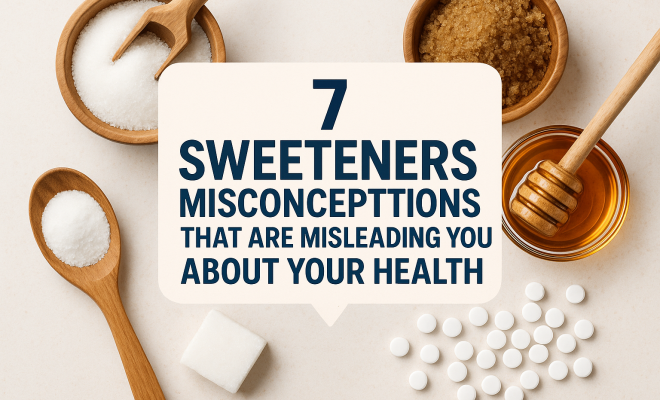
Sweetener Myths Debunked: Uncover 7 Health Misconceptions
“`html
The conversation around dietary choices and health has taken a definitive turn in recent years, particularly when it comes to sweeteners. The Centre for Food Safety has recently addressed sweeteners and the common misconceptions surrounding them, highlighting the ongoing public concern about both artificial and low-calorie options. This topic is particularly relevant because it merges fear and health ambiguity with everyday decisions many people face. As more individuals seek clarity on whether sweeteners are truly safe, healthy, or potentially harmful, misinformation spreads rapidly on social media. This article will delve deeper into the various sweeteners misconceptions that persist, providing clarity supported by research and expert opinions.
Understanding Sweeteners: A Brief Overview
Sweeteners broadly fall into two categories: natural and artificial. Natural sweeteners include honey, agave nectar, and stevia, while artificial sweeteners encompass aspartame, sucralose, and saccharin. Each type has its unique properties and uses, but they all aim to replicate the sweet taste of sugar without the accompanying calories or health risks associated with high sugar intake.
The rising popularity of sweeteners has paralleled concerns regarding health issues related to sugar consumption, such as obesity and diabetes. Consequently, consumers are more inclined than ever to seek out alternatives, prompting a surge in misinformation as individuals share alarming claims about these products online.
Misconception #1: All Sweeteners Are Unhealthy
One of the most prevalent sweeteners misconceptions is that all sweeteners, particularly artificial ones, are unhealthy. This belief is largely perpetuated by anecdotal evidence and sensationalized claims in the media. However, regulatory bodies such as the U.S. Food and Drug Administration (FDA) and the European Food Safety Authority (EFSA) have extensively reviewed artificial sweeteners and deemed them safe for consumption within established acceptable daily intake levels.
For instance, aspartame has been a focal point of scrutiny, yet studies have consistently shown that it does not pose a significant health risk to the general population when consumed in moderation. Understanding the regulatory processes and rigorous testing that sweeteners undergo can help dispel the myth that all sweeteners are inherently harmful.
Misconception #2: Sweeteners Cause Weight Gain
Another common myth is that using sweeteners can lead to weight gain. This stems from the idea that consuming sweet-tasting substances—regardless of their calorie content—might trigger cravings for more sugar or lead to overeating. However, research suggests that when used appropriately, sweeteners can actually aid in weight management by providing sweetness without the calories.
A study published in the American Journal of Clinical Nutrition found that individuals using low-calorie sweeteners tended to consume fewer calories overall, which can help with weight loss or maintenance. The key factor here is moderation and awareness of overall dietary habits.
Misconception #3: Sweeteners Lead to Increased Sugar Cravings
Linked closely to the previous misconception is the idea that sweeteners can lead to increased cravings for sugar and sweet foods. Critics argue that a sweet taste, regardless of its source, may condition the body to desire more sweetness. However, considerable evidence supports that low-calorie sweeteners do not significantly influence cravings or consumption patterns.
Research conducted by the University of Southern California investigated the effects of sweeteners on cravings and found no direct correlation between the use of sweeteners and increased sugar cravings. In fact, many users report that sweeteners can actually help satisfy their sweet tooth without the caloric burden of traditional sugar. (See: CDC on added sugars and health.)
Misconception #4: All Natural Sweeteners Are Better
Many consumers believe that if a sweetener is labeled as “natural,” it must be healthier than its artificial counterparts. However, this is another of the misleading sweeteners misconceptions. Natural doesn’t always equate to healthy. For example, honey may be a natural sweetener, but it is still high in sugar and calories. In contrast, artificial sweeteners like stevia and erythritol are low in calories and do not raise blood sugar levels.
Additionally, some natural sweeteners can lead to adverse health effects if consumed excessively. For instance, excessive consumption of agave nectar may lead to high fructose intake, which can contribute to metabolic syndrome and other health complications. Therefore, it’s essential to evaluate sweeteners based on their individual nutritional profiles rather than their labels.
Misconception #5: Sweeteners Are Linked to Cancer
The myth that artificial sweeteners increase cancer risk has persisted for decades, originating from early studies in the 1970s that suggested a possible link between saccharin and bladder cancer in rats. Subsequent research, however, has not supported these claims in humans. The EFSA concludes that there is no evidence to suggest that approved artificial sweeteners cause cancer.
The American Cancer Society has also addressed these concerns, advising that artificial sweeteners are safe for use and that there is no compelling evidence linking them to cancer. Awareness of the scientific consensus can help mitigate these fears and provide a more nuanced understanding of sweeteners.
Misconception #6: Sweeteners Affect Gut Health Negatively
Another common concern revolves around the notion that sweeteners may harm gut health. While some studies have suggested that certain artificial sweeteners can alter gut microbiota, the overall impact on health remains inconclusive. For example, a study published in Nature found that sucralose might affect the gut microbiome, but the long-term effects on health are still not fully understood.
Conversely, other research indicates that low-calorie sweeteners may not have a significant detrimental effect on gut health. In fact, some sweeteners like inulin, a naturally derived sweetener, can actually promote gut health by acting as a prebiotic. As knowledge in this area continues to evolve, it is essential for consumers to remain informed and consider the broader scope of research.
Misconception #7: Sweeteners Are Only for Dieters
Finally, one of the most limiting sweeteners misconceptions is that sweeteners are only suitable for those on a diet. This perception neglects the diverse group of individuals who may benefit from sweeteners, including those with diabetes who need to manage their blood sugar levels effectively. Sweeteners can provide a sweet taste without the impact of traditional sugar on blood glucose.
Furthermore, incorporating sweeteners into a balanced diet can offer flexibility for various culinary applications, allowing for the enjoyment of desserts and sweet foods without excessive calories. This inclusivity promotes a balanced approach to eating that accommodates a wide range of dietary needs and preferences.
Expert Perspectives on Sweeteners
Experts in nutrition and food science emphasize the importance of separating fact from fiction when it comes to sweeteners. Dr. Marcia D. C. Hyman, a certified nutritionist, explains that while sweeteners can be beneficial tools for managing sweetness in foods, they should be consumed mindfully. “It’s all about balance,” she asserts. “Sweeteners can be a part of a healthy diet, but they should not be seen as a free pass to overindulge in sweets.”
Furthermore, Dr. David M. Klein, an endocrinologist, adds that individuals with specific health concerns, such as diabetes, should consult with a healthcare professional to determine which sweeteners may fit their dietary needs best. “Understanding the individual impact of sweeteners on your body can help you make informed choices,” he states. (See: NIH on obesity and dietary choices.)
Exploring Different Types of Sweeteners
To better understand the landscape of sweeteners, it’s important to explore the various types available on the market. Each type serves different purposes and can cater to various dietary needs. Here’s a breakdown of some of the most commonly used sweeteners:
Natural Sweeteners
- Honey: Though it is natural, honey is high in calories and sugar, making it unsuitable for those managing caloric intake.
- Maple Syrup: Similar to honey, maple syrup is a natural sweetener that contains minerals but also has a high glycemic index.
- Stevia: This herbal sweetener has gained popularity for its zero-calorie profile and is often used in various products. Stevia is derived from the leaves of the Stevia rebaudiana plant.
- Agave Nectar: While marketed as a healthy alternative, agave has a high fructose content that can lead to health issues if consumed excessively.
Artificial Sweeteners
- Aspartame: Commonly found in diet sodas and sugar-free products, aspartame is low-calorie but has faced scrutiny regarding its safety.
- Sucralose: Known for its high sweetness level, sucralose is used in many processed foods and beverages. Studies suggest it does not affect blood glucose levels.
- Saccharin: One of the oldest artificial sweeteners, saccharin has undergone extensive research and is considered safe for consumption.
The Role of Sweeteners in Diabetes Management
People with diabetes often face challenges when it comes to enjoying sweet foods while managing their blood sugar levels. Sweeteners provide a valuable tool for these individuals, allowing them to indulge in sweetness without the calorie and sugar spikes associated with regular sugar.
Research has shown that certain sweeteners do not impact insulin levels, making them a suitable option for those looking to satisfy their cravings. For instance, sucralose and stevia are frequently recommended as alternatives that do not raise blood glucose levels. Additionally, many diabetic-friendly products are now formulated with these sweeteners, providing a wider range of dessert options.
Common Myths About Sweeteners Debunked
In addition to the common misconceptions already discussed, several other myths surround sweeteners:
- Myth: All sweeteners are the same. Truth: There is a significant difference between various sweeteners regarding their source, caloric content, and impact on blood sugar levels.
- Myth: Sweeteners are addictive. Truth: While sweeteners may enhance the flavor of foods, there is no conclusive evidence that they create an addiction like substances such as sugar may.
- Myth: Using sweeteners will lead to metabolic syndrome. Truth: Current research does not conclusively link the moderate consumption of sweeteners with metabolic syndrome. Other lifestyle factors, such as overall diet and physical activity, play a more substantial role.
FAQ About Sweeteners
What is the safest sweetener to use?
The safest sweetener can vary based on individual health needs. Generally, stevia and erythritol are often recommended for their natural origins and minimal impact on blood sugar levels.
Can sweeteners cause digestive issues?
Some individuals may experience digestive discomfort with certain sweeteners, particularly sugar alcohols like xylitol and sorbitol. It’s important to monitor your body’s response and choose accordingly.
Are sweeteners suitable for children?
While many sweeteners are deemed safe for children, moderation is key. It’s advisable to consult with a healthcare provider for personalized recommendations, especially for young children.
Do sweeteners make you crave more sugar?
Research suggests that sweeteners do not significantly increase sugar cravings. However, individual experiences may vary, and it’s crucial to remain mindful of overall dietary habits.
Recent Research on Sweeteners
New research continues to emerge regarding the effects of sweeteners on overall health. A comprehensive review published in the Journal of Clinical Endocrinology & Metabolism highlighted that low-calorie sweeteners can be effective for weight management but emphasized the importance of individual responses. The review noted that people’s metabolic responses to sweeteners can vary significantly, leading to different outcomes in terms of cravings and overall dietary habits. (See: WHO facts on obesity and sweeteners.)
Another study from the Harvard T.H. Chan School of Public Health surveyed thousands of participants and concluded that while artificial sweeteners can be advantageous for weight loss, they may not be helpful for everyone. The researchers urged caution and recommended consuming sweeteners in moderation, advocating for a balanced diet rich in whole foods.
Sweeteners vs. Sugar: A Nutritional Comparison
To further clarify the role of sweeteners in our diet, it’s essential to compare them directly to sugar. Here’s a detailed nutritional comparison:
| Component | Granulated Sugar (1 tsp) | Stevia (1 tsp equivalent) | Aspartame (1 tsp equivalent) |
|---|---|---|---|
| Calories | 16 | 0 | 0 |
| Carbohydrates | 4g | 0g | 0g |
| Glycemic Index | 65 | 0 | 0 |
| Health Risks | High sugar consumption linked to obesity, diabetes, and heart disease | No significant health risks when consumed in moderation | Considered safe, but some individuals may report headaches or allergic reactions |
Future of Sweeteners in the Food Industry
The food industry is witnessing an increasing interest in sweeteners as consumers seek healthier options. Companies are innovating by introducing new sweeteners derived from plants and experimenting with combinations to achieve better taste profiles. For example, allulose, a rare sugar found in certain fruits, is gaining traction as it provides sweetness with very few calories and minimal impact on blood sugar levels.
Furthermore, consumer demand for transparency and clean-label products is prompting manufacturers to disclose information regarding sweetener sources and production methods. This shift is not only enhancing consumer trust but is also driving research into more sustainable and health-conscious sweetening alternatives.
Conclusion
The ongoing discourse surrounding sweeteners is both complex and essential, particularly in an era where misinformation can spread rapidly. By addressing and debunking common sweeteners misconceptions, we not only empower consumers to make informed dietary choices but also promote a more nuanced understanding of nutrition science. In an increasingly health-conscious society, it is vital for individuals to remain educated about their food choices and to advocate for their well-being through factual information.
As public interest continues to grow, it is likely that discussions around sweeteners will persist, making it imperative to stay informed and critically evaluate the claims surrounding these dietary components. The next time you reach for that low-calorie sweetener, remember the facts and make choices based on evidence, not fear or misconception.
“`
Trending Now
- this guide on why forward deployed engineering jobs are making a major comeback at google
- Why You Should Pay Attention to…
- this guide on astronomers uncover how giant star clusters transform their surroundings in record time
- our breakdown of the nintendo switch 2 preorder frenzy: why gamers are scrambling for their consoles
- the complete explanation
Frequently Asked Questions
Are all sweeteners bad for your health?
Not all sweeteners are unhealthy. While some misconceptions suggest that all sweeteners, especially artificial ones, are harmful, regulatory bodies like the FDA and EFSA have deemed many artificial sweeteners safe for consumption when used appropriately.
What are the different types of sweeteners?
Sweeteners are broadly categorized into natural and artificial. Natural sweeteners include options like honey, agave nectar, and stevia, while artificial sweeteners encompass aspartame, sucralose, and saccharin, each with unique properties and uses.
Is stevia a safe sweetener?
Yes, stevia is considered a safe natural sweetener. Regulatory agencies, including the FDA, have reviewed stevia and found it safe for consumption, making it a popular alternative for those seeking to reduce sugar intake.
Can sweeteners help with weight loss?
Sweeteners can be beneficial for weight loss when used as a substitute for sugar, as they provide sweetness with fewer or no calories. However, it's essential to use them mindfully and as part of a balanced diet.
What are common misconceptions about artificial sweeteners?
Common misconceptions include the belief that all artificial sweeteners are dangerous or unhealthy. However, many have been extensively studied and approved by health authorities, showing they can be safe alternatives to sugar.
Have you experienced this yourself? We’d love to hear your story in the comments.