2026 Tech Layoffs: The Startling Trends You Need to Know
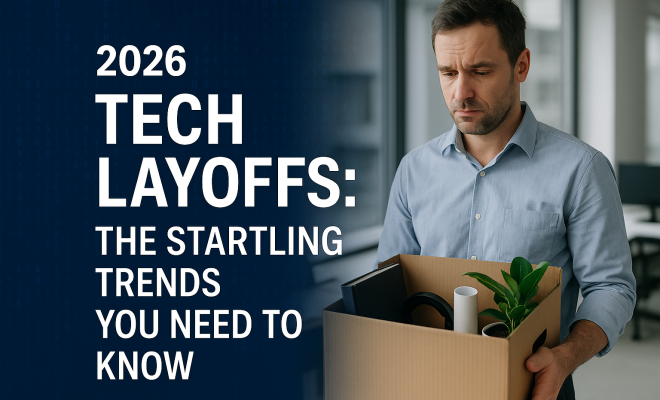
As the tech industry continues to grapple with a turbulent job market, the year 2025 saw a staggering 245,000 tech jobs cut globally. This dramatic shift in employment has left many workers questioning their future in the sector, and it appears that the wave of layoffs is set to continue into 2026.
The Layoff Landscape
According to recent reports, about 70% of the layoffs in 2025 originated from companies headquartered in the United States. This concentration of job losses particularly highlights the fragility of the U.S. tech labor market, as workers scramble to stay informed about which companies might be next in line for significant cuts.
Continuing the Workforce Reset
The 2026 layoffs are being framed as a continuation of what many are referring to as a major workforce reset. The tech sector, which had previously been characterized by rapid growth and hiring, is now experiencing a very different reality. With companies assessing their workforce in the context of increasing automation and changing market demands, uncertainty looms large.
The Role of AI in Restructuring
One of the most notable factors contributing to this ongoing trend is the rise of artificial intelligence (AI). As companies look to streamline operations and improve efficiency, AI has emerged as a powerful tool for automating tasks that were once performed by humans. This shift is raising concerns among employees who fear that their roles may become obsolete.
- Automation Pressure: Many tech companies are adopting AI technologies to reduce costs and enhance productivity, leading to fears of further layoffs.
- Job Displacement: With automation increasingly taking over routine tasks, workers are anxious about their job security and the potential for redundancy.
- Leadership Decisions: The decisions made by company leadership regarding workforce size and AI adoption will significantly impact the job market moving forward.
The Emotional Toll of Layoffs
Layoffs are often not just a statistic; they carry a heavy emotional toll on those affected. The fear and anxiety surrounding job security have become pervasive in the tech community. As workers monitor news of layoffs, the anxiety over their own positions intensifies, creating an atmosphere of uncertainty.
Tech job seekers and current employees alike are turning to online platforms for information, seeking updates on layoffs at various companies. This trend has led to the emergence of live trackers that provide real-time information about layoffs across the industry. Such tools not only keep workers informed but also encourage repeat visits as people anxiously await updates.
What’s Next for Tech Workers?
As we move further into 2026, workers in the tech industry must brace themselves for the possibility of more layoffs. To navigate this uncertain landscape, here are some recommendations:
- Stay Informed: Keep up with news related to layoffs in your company and the broader tech industry. Websites and trackers can be invaluable resources.
- Network: Build and maintain your professional network. Connections can lead to new job opportunities and provide support during difficult times.
- Upskill: Consider enhancing your skill set to stay competitive in a rapidly changing job market. Learning about AI and related technologies can improve job prospects.
The Future Outlook
The tech job market is in a state of flux, and while layoffs are currently a significant concern, there remains hope for recovery. The demand for skilled tech professionals is likely to remain strong, particularly in fields related to AI and data analysis. As companies find their footing post-restructuring, new opportunities may arise for those who adapt and innovate.
In conclusion, the 2026 tech layoffs represent a critical point in the evolution of the industry. As companies continue to adapt to new technologies and market conditions, understanding these trends will be essential for workers looking to navigate their careers successfully. Keeping abreast of developments and being proactive in managing your career can make all the difference in these challenging times.