Raising 3 Sons with Duchenne Muscular Dystrophy: A Family’s Journey
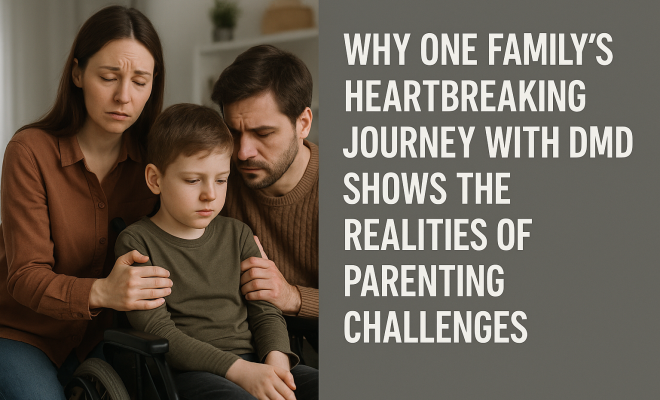
When it comes to raising a child with DMD (Duchenne muscular dystrophy), the journey is often filled with emotional complexities and heart-wrenching challenges. For one family, this journey was anything but easy as they faced the reality of raising their third son diagnosed with this devastating condition, following the heartbreaking experiences of their two older sons.
The Weight of Experience
The emotional burden of having not one, but three sons diagnosed with DMD is overwhelming. Each diagnosis brought with it a mix of familiarity and dread. While the parents had previously navigated the murky waters of this rare disease, they quickly learned that experience does not lessen the pain or fear that comes with the recurrence of such a life-altering diagnosis. In fact, it often amplifies it.
Understanding DMD
Duchenne muscular dystrophy is a genetic disorder characterized by progressive muscle degeneration and weakness. As a result of a mutation in the dystrophin gene, children with DMD typically begin to exhibit symptoms between the ages of 2 and 5. The disease primarily affects boys, leading to a gradual loss of mobility over time. Many affected children eventually lose the ability to walk, with life expectancy often shortened due to complications associated with the condition.
For families raising a child with DMD, the journey can become a relentless cycle of hope and despair. Parents find themselves caught in a whirlwind of doctor visits, therapies, and the emotional toll of planning for an uncertain future.
Confronting Genetic Risks
A significant aspect of raising a child with DMD is the daunting reality of genetic risks. Parents often grapple with the notion that their other children could also be affected. The anxiety surrounding genetic testing, carrier status, and the potential for future children to inherit the same condition is heavy. This fear remains a constant companion throughout the parenting journey.
For this particular family, the emotional stakes were raised with each subsequent diagnosis. They faced the heart-wrenching prospect of watching their sons struggle through the same debilitating condition, each milestone marked by the loss of abilities once taken for granted.
The Siblings’ Perspective
While the parents experience their own grief, siblings of children with DMD also go through a unique emotional landscape. They watch their brothers face challenges that no child should have to endure. The bond between siblings can become complicated, filled with a mix of admiration for their strength and sorrow for their struggles. Understanding the implications of DMD often leads to a profound sense of empathy, shaping their perspectives as they grow.
- Older siblings may take on caretaking roles as their brothers require more assistance.
- They often become advocates, learning to educate their peers about DMD.
- Feelings of helplessness can arise, leading to emotional turmoil.
Finding Resilience
Despite the weight of their experiences, this family illustrates remarkable resilience. They have relied on a support network of friends, family, and healthcare professionals to navigate the challenges. Engaging with other families facing similar realities has also provided solace. Sharing stories, both heartbreaking and uplifting, helps to create a sense of community that empowers them to confront the day-to-day struggles of raising a child with DMD.
In moments of despair, they find strength in the laughter and love shared within the family. Celebrating small victories, no matter how minor, becomes crucial in maintaining hope. Whether it’s a successful therapy session or a new skill learned, these milestones serve as a reminder that resilience can thrive even in the face of adversity.
Raising Awareness
The journey of raising a child with DMD extends beyond the family unit. Their experiences shed light on the importance of awareness, advocacy, and research in the fight against muscular dystrophy. By sharing their story, they hope to encourage discussions about genetic testing, support for affected families, and the necessity for more research funding for effective treatments.
Advocacy groups and organizations dedicated to muscular dystrophy play a significant role in connecting families, providing resources, and pushing for legislative changes that benefit those affected by the disease. Through collective efforts, there is hope for advancements in treatment options and support systems for families navigating similar journeys.
The Path Forward
As this family continues to face the challenges of raising a child with DMD, they embody the spirit of resilience and hope. Each day presents new hurdles, but also opportunities for growth and connection. They remind us that while the journey may be fraught with difficulties, it is also filled with moments of love and joy that can transcend the trials of the condition.
Ultimately, stories like this one serve as a poignant reminder of the strength of families facing unimaginable circumstances. Through their experiences, they not only inspire others but also contribute to a broader understanding of what it means to live alongside Duchenne muscular dystrophy.