Climate Mental Health Interventions: Boosting Well-being Amidst Eco-Anxiety
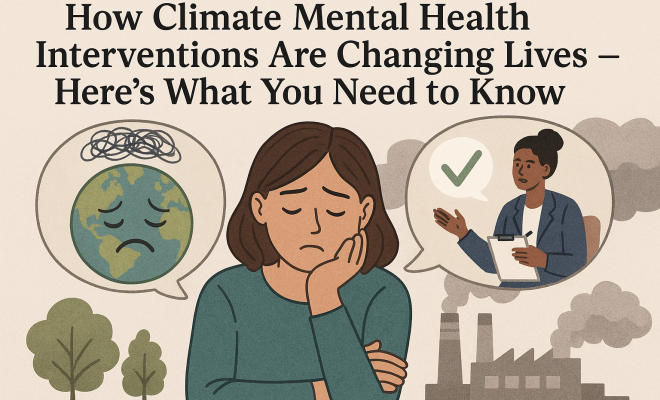
As climate change continues to be an urgent global concern, its impact on mental health is emerging as a critical area of study. A recent umbrella review and meta-analysis published in JAMA Psychiatry has put a spotlight on the efficacy of climate mental health interventions, exploring how exposure to nature and climate-related initiatives can bolster mental well-being. This intriguing intersection between environmental policy and mental health presents a promising avenue for improving psychological outcomes amidst growing anxiety about climate change.
The Rise of Climate Mental Health Interventions
The prevalence of climate anxiety has surged in recent years, with more individuals expressing worry over the catastrophic effects of global warming. This has led to an increasing acknowledgment of the importance of mental health in the context of environmental issues. According to the findings from the JAMA Psychiatry review, climate mental health interventions could mitigate this anxiety by fostering a deeper connection between individuals and nature.
A Meta-Analysis of the Evidence
The umbrella review compiled data from various studies evaluating the effects of nature-based interventions on mental health. Researchers focused on interventions that included exposure to natural environments, community engagement in environmental projects, and programs aimed at fostering resilience to climate-related stressors. The review’s comprehensive scope provides a clearer understanding of how these interventions can lead to significant improvements in mental health.
- Nature Exposure: Time spent in natural settings has been linked to reductions in anxiety, depression, and stress.
- Community Engagement: Participation in community-driven environmental projects enhances feelings of connection and purpose.
- Resilience Programs: Programs designed to build resilience against climate stressors have shown promise in bolstering mental health.
These various elements point to the potential of climate mental health interventions in not only addressing individual psychological distress but also fostering a collective sense of agency in the face of climate-related challenges.
Hopeful Yet Controversial Findings
The findings from the review have sparked a mix of hope and skepticism. On one hand, the evidence that nature-based interventions can positively influence mental health outcomes is encouraging. Many individuals already seek solace in nature, and the study provides a framework for understanding the benefits systematically. On the other hand, some critics argue that while these interventions are valuable, they cannot replace systemic changes needed to address the root causes of climate change.
The Role of Public Policy
The link between mental health and climate action underscores the need for informed public policy that not only addresses environmental degradation but also prioritizes mental health. By integrating climate mental health interventions into public health initiatives, the potential for a holistic approach increases, facilitating both ecological sustainability and mental wellness.
- Policy Integration: Collaboration between mental health professionals and environmental policymakers can enhance the effectiveness of interventions.
- Funding for Initiatives: Increased investment in programs aimed at combining nature exposure with mental health support is essential.
- Community Awareness: Raising awareness about the mental health benefits of nature can encourage more individuals to engage with their environment.
As the review suggests, addressing mental health through climate interventions is not just beneficial; it is necessary for fostering a resilient society that can adapt to ongoing environmental changes.
Next Steps for Research and Implementation
While the results of the meta-analysis are promising, further research is needed to better understand the mechanisms through which climate mental health interventions exert their effects. Longitudinal studies that track mental health outcomes over time, as well as randomized controlled trials, could provide more definitive evidence of their efficacy.
In the meantime, individuals and communities can begin to explore nature-based mental health interventions themselves. Activities such as community gardening, nature walks, or local environmental cleanup efforts not only enhance well-being but also contribute to the collective movement toward sustainability.
Conclusion
The intersection of climate action and mental health is a burgeoning field ripe for exploration. The findings in the recent JAMA Psychiatry review emphasize the potential of climate mental health interventions to improve individual well-being while simultaneously fostering a sense of community and purpose in the face of climate change. As awareness of this connection grows, so does the opportunity for transformative change—both for our mental health and the planet.